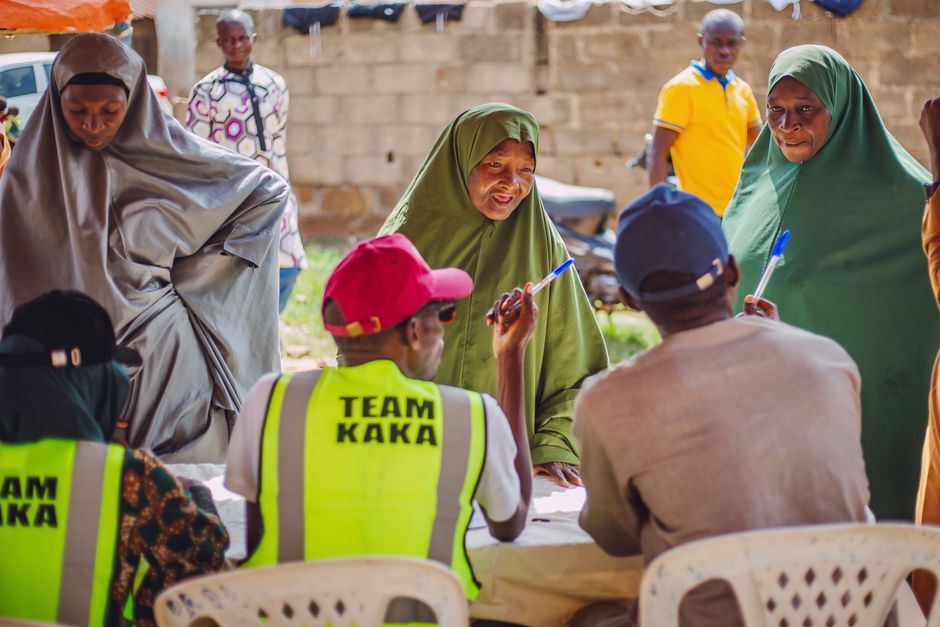
Reflecting on my journey through the complex landscape of mental health in Nigeria, I've realized there are several changes I'd make if given the chance. From personal experiences to witnessing the struggles of loved ones, I've identified areas where improvements are not just possible but necessary. Mental health, a critical aspect of our overall wellbeing, often becomes an overlooked issue in various communities across Nigeria. This reflection aims to provide insights and recommendations based on past encounters.
Access to mental health resources in Nigeria is a significant concern. During my early experiences, I noticed how limited the availability of professionals and facilities was. To get proper counseling or therapy, individuals often had to travel long distances or face long waiting times. This makes it difficult for many to receive timely help.
Rethinking Accessibility
One of my biggest regrets is not advocating more for better accessibility to mental health services. Reflecting on this, I've come to some strong conclusions about what should have been done differently.
Decentralize Mental Health Services
Concentrating mental health resources in urban areas creates barriers for those in rural parts. It’s essential to decentralize services, making them accessible in smaller towns and villages.
For instance, community-based programs could be implemented, allowing professionals to travel and offer services in schools, religious centers, and local government offices. This could have provided much-needed support to countless individuals who otherwise can't access it.
- Establish mobile clinics to reach remote areas.
- Train local health workers to provide basic mental health support.
- Partner with NGOs to fund local mental health initiatives.
The journey to mental health recovery doesn't always need to start in a hospital. It can begin in the community.
Breaking the Stigma
Stigma surrounding mental health issues is a significant barrier. Looking back, I wish I had been more proactive in addressing this earlier in my journey.
Promote Mental Health Education
Education is a powerful tool. If I'd had the opportunity, I would have pushed for more educational campaigns to inform people about mental health conditions and treatments.
- Host workshops in schools to educate young people.
- Use social media campaigns to change misconceptions.
- Create partnerships with local influencers to spread awareness.
For example, local celebrities could share their stories and support networks, showing that mental health struggles are nothing to be ashamed of.
Enhancing Community Support
When I look back, another area I would have focused more on is strengthening community and familial support systems.
Encourage Peer Support Groups
Building peer support groups can provide a non-judgmental space where people can share their experiences and coping strategies.
For instance, I would have liked to see more community centers hosting regular support group meetings, ideally facilitated by someone with a psychology background but led by community members themselves.
- Introduce support groups for different demographics (youth, adults, elderly).
- Facilitate connections between individuals dealing with similar challenges.
- Provide training for community leaders to offer initial support.
Peer support can transform lives by providing the understanding and encouragement needed to navigate mental health challenges.
Improving Financial Accessibility
Finally, on the financial front, mental health care can be prohibitively expensive. This is an area that needs significant reform.
Subsidize Mental Health Treatments
A major change I'd advocate for is the subsidization of mental health treatments and medications. This would make it more affordable for the average Nigerian.
- Work with the government to include mental health care in national insurance schemes.
- Encourage corporate sponsorships for mental health initiatives.
- Develop sliding scale payment options at private practices based on income.
Such measures could alleviate much of the financial stress associated with getting the help one needs.
Conclusion
Reflecting on these aspects, it's clear that my approach to mental health in Nigeria could have been enhanced significantly through these strategies. By focusing on accessibility, fighting stigma, enhancing community support, and improving financial accessibility, we can create a more supportive environment for mental health recovery. The path forward involves learning from past experiences and advocating for necessary changes. Together, we can make mental health a priority, ensuring everyone receives the care and understanding they deserve.