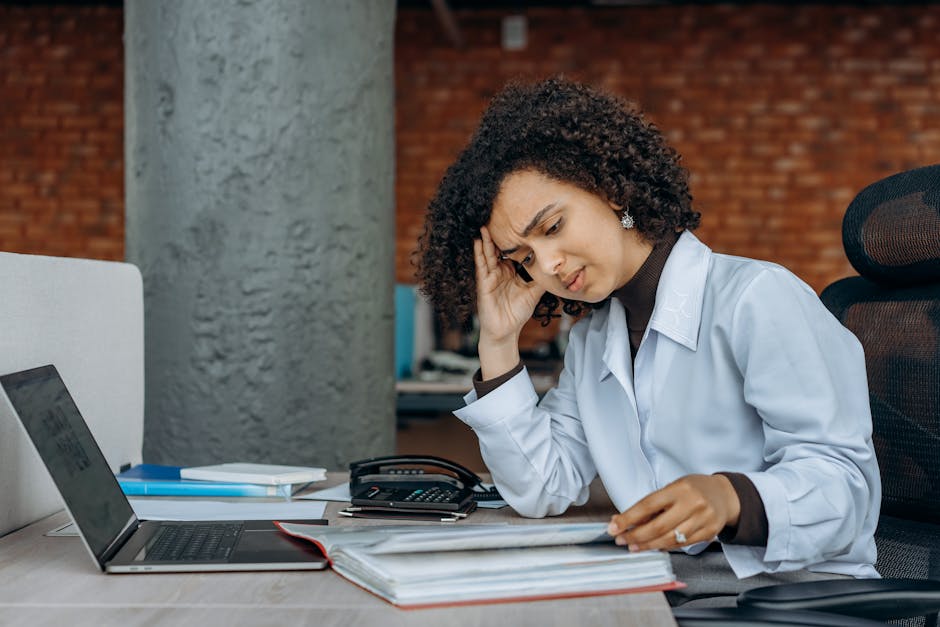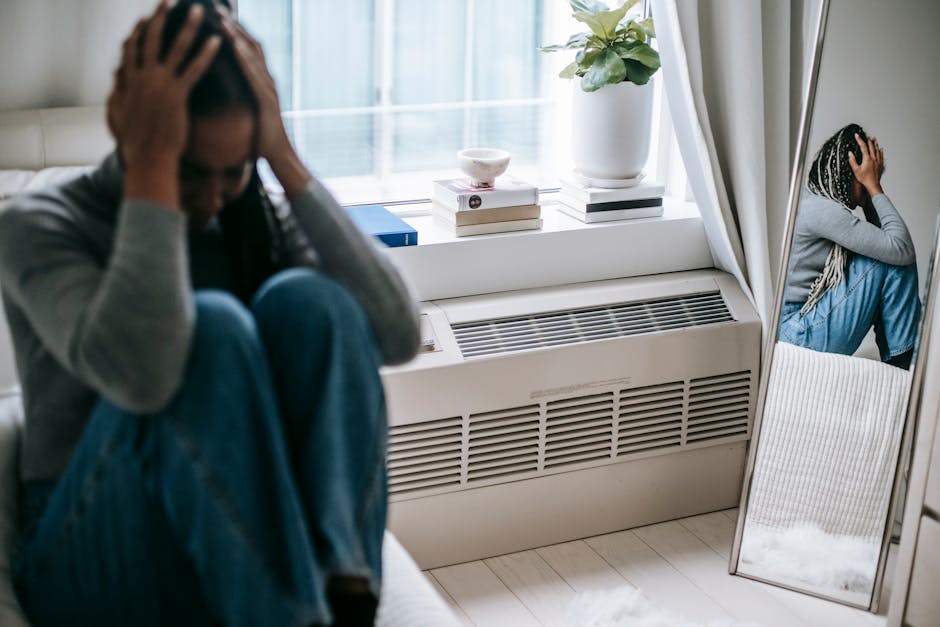
You've tried meditation to manage your anxiety and expected peace and calm. But instead of tranquility, you're left with racing thoughts and frustration. You're not alone. While meditation is a widely recommended tool for anxiety, it doesn't work for everyone. In fact, a 2021 survey revealed that 25% of people find meditation increases their anxiety levels. If you're one of them, it's time to look beyond traditional methods and explore alternative strategies that might suit you better.
Let's delve into why meditation might not work for you and what other techniques you can try to combat anxiety effectively. These approaches are grounded in practicality and adaptability, allowing you to find what resonates with your unique needs.
Understanding Why Meditation Might Not Work
The Overstimulation Dilemma
Meditation requires you to sit still and focus inward. For some, this can trigger an overstimulation of thoughts, causing more anxiety rather than less. If you find yourself more agitated than relaxed, it's a sign that traditional meditation might not be the best fit for you.
The Pressure to Perform
Meditation is often presented as a solution, which can create pressure. When there are expectations that you should feel better, the lack of immediate results can lead to disappointment and increased anxiety.
“Meditation isn't a one-size-fits-all solution. It's important to find what truly works for you.” — Dr. Chidi Okoro, Nigerian Psychologist
Alternative Strategies to Explore
Engage in Physical Activity
Exercise is a powerful tool against anxiety. Whether it's running, dancing, or even brisk walking in your local neighborhood, physical activity releases endorphins which help improve mood and reduce stress.
- Running: A 30-minute jog can significantly reduce anxiety levels.
- Dancing: Put on your favorite Naija tunes and dance away your stress.
Creative Expression
Art and creativity can be therapeutic. Engaging in activities like painting, writing, or playing an instrument allows you to express emotions and redirect anxious energy into productive outlets.
Mindful Breathing and Grounding
If traditional meditation isn't your thing, try guided breathing techniques or grounding exercises. These can be simpler to follow and help reduce anxiety by focusing your mind on the present.
- 4-7-8 Breathing: Inhale for 4 seconds, hold for 7, and exhale for 8.
- 5 Senses Exercise: Notice 5 things you can see, 4 you can feel, 3 you can hear, 2 you can smell, and 1 you can taste.
Seeking Professional Help
Therapy and Counseling
Sometimes, professional guidance is necessary. Cognitive Behavioral Therapy (CBT) is especially effective for those struggling with anxiety, offering practical techniques to change negative thought patterns.
Medication
In some cases, medication might be required. Consult a mental health professional to discuss whether this might be appropriate for you.
“Medication is not a failure; it's a tool to help you manage your mental health.” — Dr. Aisha Bello, Psychiatrist
Creating Your Personal Toolkit
Not every technique will work for everyone, and that's okay. The key is to create a personal toolkit of strategies that suit your lifestyle and personal preferences. Combine different methods and don't hesitate to experiment.
- Keep a journal to track what works and what doesn't.
- Communicate openly with trusted friends or family.
Conclusion
When meditation isn't cutting it, don't lose hope. There are countless ways to manage anxiety that can be just as effective, if not more so, for you. Explore, experiment, and find what brings you peace, joy, and calm in your daily life. Remember, mental health is a journey, not a destination.