Life in Nigeria, like anywhere else, can often feel overwhelming. From the hustle and bustle of Lagos traffic to the daily grind of work and family responsibilities, it's easy to feel stretched thin. Yet, amidst these challenges, developing resilience can be a game-changer for mental health. Resilience is the ability to bounce back from stress, adversity, and trauma, not just surviving, but thriving.
Building resilience is not about changing your circumstances but changing how you respond to them. To start this journey, understanding what resilience is and how to cultivate it can empower you to face life's challenges with greater confidence and strength.
Understanding Resilience
Resilience can be described as the mental reservoir of strength that people can call on in times of need. It helps us endure difficult situations and come out on the other side better equipped to face new challenges.
What is Resilience?
Resilience is not a trait that people either have or do not have. It involves behaviors, thoughts, and actions that can be learned and developed by anyone. Essentially, resilience is about adaptability and flexibility in the face of adversity.
"Resilience is the ability to transform adversity into a catalyst for growth."
The Importance of Resilience in Nigeria
In Nigeria, where economic and social challenges can be significant, cultivating resilience is particularly vital. Whether dealing with financial instability, healthcare issues, or educational hurdles, resilience can help individuals navigate these challenges more effectively.
Practical Ways to Build Resilience
Building resilience involves several strategies that can be woven into your daily life. Let's explore some practical ways to enhance your resilience.
Cultivate Strong Relationships
Having a solid support system is crucial. Building strong, positive relationships with family and friends can provide social support and acceptance during difficult times.
- Reach out to friends and family regularly.
- Engage in community activities to build a support network.
- Join local groups or clubs that share your interests.
Mindfulness and Self-Care
Practicing mindfulness and self-care can significantly impact your mental health and resilience.
- Engage in regular physical exercise.
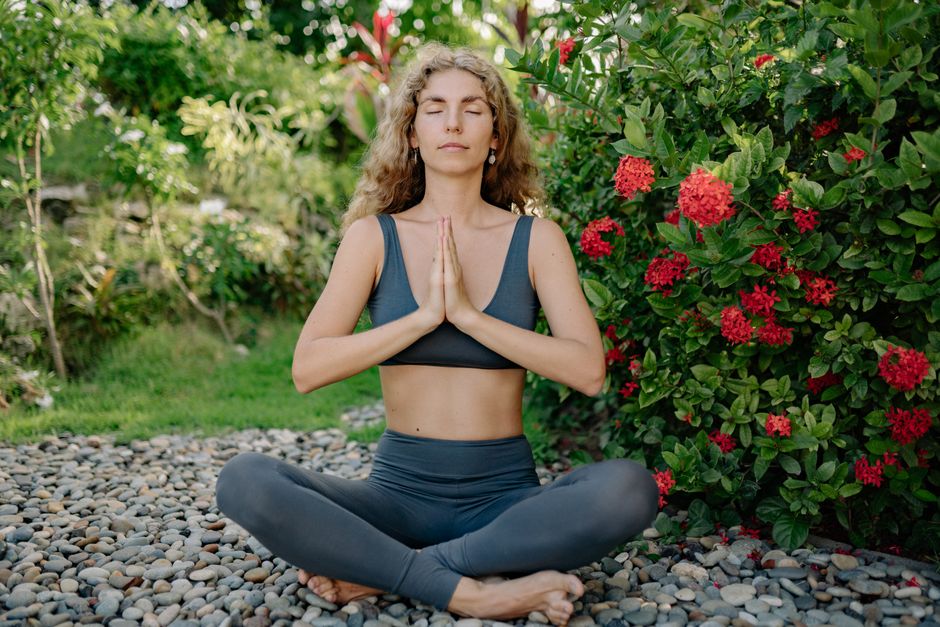
- Practice meditation or yoga.
- Ensure you get adequate sleep and nutrition.
Set Realistic Goals
Setting achievable goals helps you focus on what is possible, rather than what is out of reach.
- Break your goals into manageable steps.
- Celebrate small achievements along the way.
- Adjust your goals as needed, based on circumstances.
Overcoming Common Challenges
Building resilience is not without its challenges, especially in a dynamic environment like Nigeria. However, understanding these challenges and how to tackle them can make the journey smoother.
Dealing with Stress
Stress is a common barrier to resilience. Learning effective stress management techniques can help you maintain balance.
- Identify stress triggers and work on reducing them.
- Practice deep breathing exercises.
- Engage in hobbies and activities that you enjoy.
Navigating Economic Instability
Economic challenges can test your resilience, but with the right strategies, you can overcome these hurdles.
- Create a budget and stick to it.
- Seek financial advice from trusted sources.
- Explore alternative income streams to diversify your financial base.
Resilience and Mental Health
There is a strong connection between resilience and mental health. A resilient mindset contributes positively to mental well-being.
Understanding the Connection
Resilience helps reduce the impact of stress and anxiety, leading to improved mental health outcomes. It fosters a sense of self-efficacy and control over one's life.
Building Mental Fortitude
To support mental health, it's important to build mental fortitude through various activities.
- Engage in mental exercises like puzzles and brain games.
- Seek professional help when needed, such as counseling or therapy.
- Continue learning and expanding your knowledge through courses and reading.
Conclusion
Building resilience is a lifelong journey. In Nigeria, where challenges can be unique and varied, developing resilience is essential for navigating life's ups and downs. By cultivating strong relationships, practicing mindfulness, setting realistic goals, and maintaining a focus on mental health, you can enhance your resilience and thrive amidst challenges. Remember, resilience is not about avoiding difficulties but about embracing them as opportunities for growth.