The first time I faced burnout, it was like hitting a wall I didn't see coming. I thought I was invincible, juggling multiple commitments and stretching myself thin. But the crash was inevitable, and it taught me some hard lessons. If I had the chance to do it all over again, I'd approach things so differently. Here's what I'd change, hoping it might help you if you're on a similar path.
Burnout is a common experience, especially in high-pressure environments. In Nigeria, where the hustle culture is strong, many of us find ourselves in the same situation. Recognizing burnout early and understanding how to address it can make all the difference.
Recognizing the Early Signs
Looking back, I ignored several subtle signs of burnout. Understanding these early indicators could have saved me a lot of trouble.
Physical Symptoms
I often felt drained, even after a full night's sleep. My body was sending signals, but I brushed them off as mere fatigue.
- Constant headaches
- Muscle tension
- Frequent colds
If I had paid attention to these symptoms, I might have realized that my body was crying out for rest.
Emotional Exhaustion
Emotionally, I was on edge. Small issues became overwhelming, yet I dismissed these feelings as stress.
Recognizing emotional exhaustion can prevent prolonged burnout.
Understanding that these feelings weren't just normal stress but signs of a bigger issue would have prompted me to seek help sooner.
Setting Boundaries
One of the biggest lessons I learned was the importance of setting boundaries. In a fast-paced city like Lagos, it's easy to say yes to everything and everyone.
Learning to Say No
I was a chronic over-committer. I believed saying no meant missing out on opportunities.
- Prioritize tasks
- Decline non-essential meetings
- Value personal time
Realizing that saying no is a form of self-care was crucial. It helped me focus on what truly mattered.
Creating a Work-Life Balance
Before burnout, work dominated my life. I wish I had allocated more time to personal interests and family.
Now, I consciously schedule downtime, ensuring work doesn't encroach on personal space. This balance is essential to maintaining mental health.
Seeking Support
During my burnout, I avoided talking about my struggles, thinking I had to handle it alone. This was a mistake.
Connecting with Loved Ones
Opening up to friends and family could have provided much-needed support.
Don't underestimate the power of sharing your struggles.
Having a support system is invaluable. They can offer perspectives and solutions you might not consider on your own.
Professional Help
At the height of my burnout, I eventually sought counseling. If I could go back, I'd have done this much earlier.
- Therapy sessions
- Workshops on stress management
- Online support groups
Professional help can guide you through the recovery process, equipping you with tools to manage stress effectively.
Embracing Mindfulness
Mindfulness was not part of my routine back then. Introducing it into my life has been game-changing.
Daily Practices
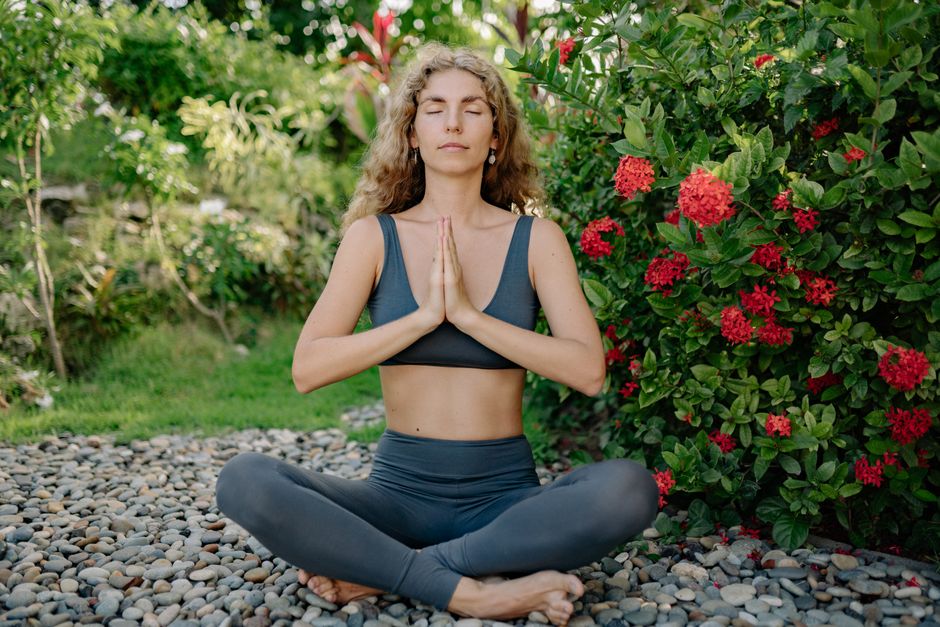
Incorporating even a few minutes of mindfulness daily can significantly impact mental well-being.
- Meditation
- Deep breathing exercises
- Journaling
Mindfulness helps in staying present and reducing anxiety, crucial for anyone prone to burnout.
Conclusion
If I ever face burnout again, I'd approach it with the wisdom of these experiences. Recognizing the signs early, respecting my limits, seeking support, and practicing mindfulness are strategies I now hold dear. For anyone currently struggling, I hope these insights offer a guiding light. Remember, burnout isn't a failing but an opportunity to reset and grow.