In today's fast-paced world, stress is an inevitable part of life. Whether it's the hustle and bustle of Lagos, the daily grind of work, or the pressures of family life, Nigerians often face multiple stressors. But fret not, because effective stress management techniques can not only help you cope but also thrive. In this article, we'll explore practical and culturally relevant methods to manage stress, so you can live a healthier, more fulfilling life.
Stress management is crucial for maintaining both mental and physical health. Unchecked stress can lead to a myriad of health issues, including anxiety, depression, hypertension, and even a weakened immune system. But with the right strategies, you can mitigate these risks and improve your overall well-being. Let's dive into some effective stress management techniques that resonate with Nigerian lifestyles.
Understanding Stress and Its Impact
What is Stress?
Stress is the body's natural response to challenging situations. It's a physiological reaction that triggers the release of hormones like adrenaline and cortisol, preparing the body to react to potential threats. This 'fight or flight' response can be beneficial in short bursts but becomes detrimental when chronic.
The Effects of Stress on Health
Prolonged stress can lead to numerous health problems. It can exacerbate mental health issues like anxiety and depression and contribute to physical conditions such as heart disease, diabetes, and digestive problems. Recognizing the signs of stress early is crucial for effective management.
"Stress is not what happens to us. It's our response to what happens, and response is something we can choose." – Maureen Killoran
Culturally Relevant Stress Management Techniques
1. Embracing Community Support
In Nigeria, community and family play a pivotal role in our lives. Leaning on your network during stressful times can be incredibly beneficial. Sharing your burdens with friends and family can provide emotional support and practical solutions.
- Organize regular meet-ups with friends for support and relaxation.
- Participate in community events or religious gatherings to foster a sense of belonging.
- Engage in group activities or sports to relieve stress physically and socially.
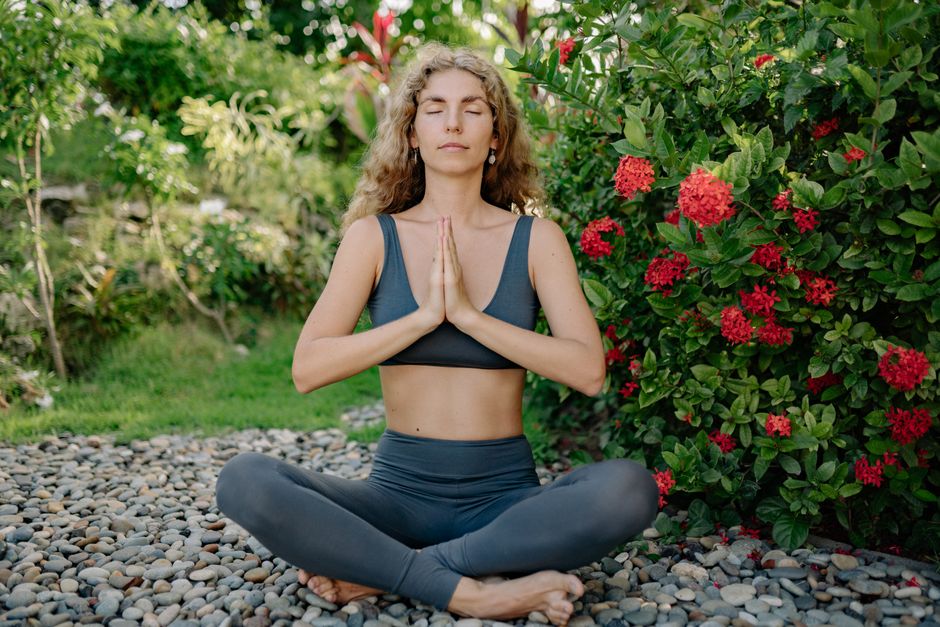
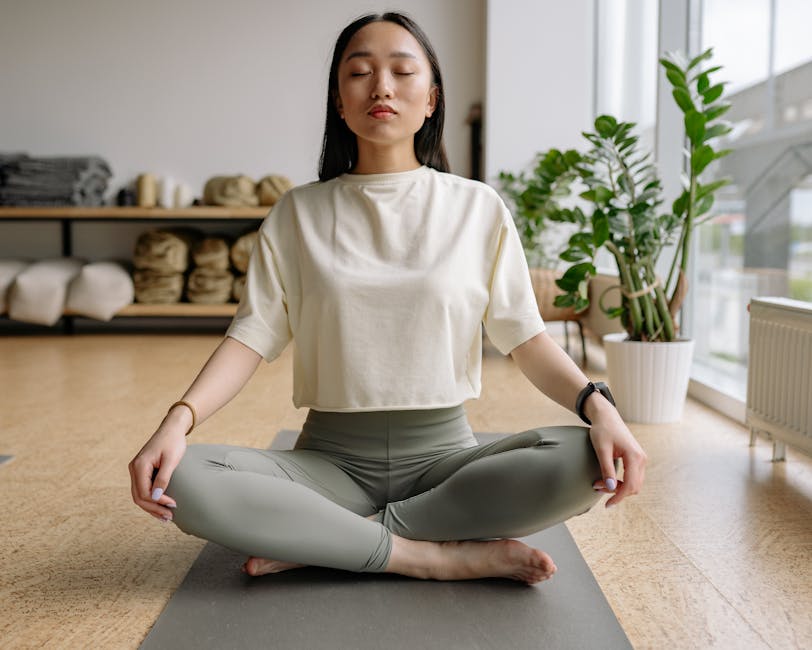
2. Mindfulness and Meditation
Mindfulness involves being present in the moment and can significantly reduce stress. Meditation, on the other hand, provides a structured way of relaxing the mind.
- Start small with a 5-minute daily meditation routine using apps or online guides.
- Incorporate mindfulness into daily activities, like mindful eating or walking.
- Attend local mindfulness workshops or join meditation groups for support.
Physical Activities to Combat Stress
1. Regular Exercise
Exercise is a natural stress reliever. Physical activity produces endorphins, the body's natural mood lifters.
- Engage in traditional dance classes, which are both fun and effective.
- Explore local gyms or outdoor spaces for running or walking.
- Try yoga or pilates, which combine physical movement with mindfulness.
2. Exploring Nature
Spending time in nature can have a calming effect on the mind. Nigeria's diverse landscapes offer ample opportunities for nature-based activities.
- Organize day trips to parks, gardens, or local beaches for relaxation.
- Join hiking groups to explore natural reserves and enjoy the scenery.
- Take up gardening as a hobby to connect with nature from home.
Nutrition and Stress Management
1. The Role of Diet
What you eat can influence your stress levels. A balanced diet rich in essential nutrients supports mental health and reduces stress.
- Incorporate stress-reducing foods like avocados, nuts, and leafy greens.
- Reduce caffeine and sugar intake, which can increase anxiety.
- Stay hydrated, as dehydration can exacerbate stress symptoms.
2. Traditional Nigerian Foods for Mental Health
Nigerian cuisine offers a range of healthy options that can support stress management.
- Include meals rich in omega-3 fatty acids, like fish, which boost brain health.
- Consume fruits like oranges and bananas, which are high in vitamin C and potassium.
- Opt for whole grains like brown rice and maize, which provide sustained energy.
Healthy Lifestyle Habits
1. Getting Enough Sleep
Quality sleep is crucial for stress management. A lack of sleep can worsen stress symptoms and impair cognitive function.
- Establish a regular sleep schedule and create a relaxing bedtime routine.
- Avoid screens before bedtime to enhance sleep quality.
- Ensure your sleeping environment is comfortable and free from distractions.
2. Practicing Gratitude
Cultivating gratitude can shift focus from stressors to the positive aspects of life.
- Keep a gratitude journal, noting three things you are thankful for each day.
- Express appreciation to friends and family, strengthening your relationships.
- Reflect on personal achievements and milestones to foster a positive outlook.
Conclusion
Effectively managing stress is essential for a healthy and balanced life. By incorporating these techniques into your daily routine, you can enhance your resilience, improve your mental and physical health, and lead a more fulfilling life. Remember, it's about finding what works best for you and making it a consistent part of your lifestyle. So, embrace the power of community, mindfulness, physical activity, and nutrition, and watch your stress levels decline.
"The greatest weapon against stress is our ability to choose one thought over another." – William James