In the bustling cityscapes of Nigeria, where traffic jams and crowded marketplaces are part of daily life, managing stress is an essential skill. Whether you're navigating a hectic work schedule in Lagos or balancing family commitments in Abuja, stress can often feel inevitable. But the good news is, there are practical strategies that can help you handle stress effectively, allowing you to maintain a healthy balance between work and life.
Stress management isn't just about reducing the pressure you feel; it's about learning to thrive under it. By adopting certain techniques, you can transform stress from a burden into a catalyst for personal growth. In this article, we'll explore various stress management strategies that are particularly relevant to Nigerian lifestyles. From traditional practices to modern techniques, we'll uncover ways to keep stress in check and live a more fulfilling life.
Understanding Stress and Its Impact
What is Stress?
Stress is a natural response to challenges or dangers. It's your body's way of protecting itself, helping you stay alert and focused. However, when stress becomes chronic, it can take a toll on your mental and physical health.
Effects of Chronic Stress
Chronic stress can lead to a range of health issues, including headaches, high blood pressure, and anxiety. It can also impact your sleep, leading to insomnia or restless nights.
"Chronic stress is like a silent predator, slowly eroding your well-being without you even realizing it."
Practical Stress Management Techniques
Exercise and Physical Activity
Physical activity is a proven stress reliever. Whether it's a morning jog in your neighborhood or a workout session at a local gym, exercise releases endorphins, which are natural mood lifters.
- Consider joining a local football team or taking dance classes to stay active.
- Regular walks in the evening can also help clear your mind and reduce stress.
Mindfulness and Meditation
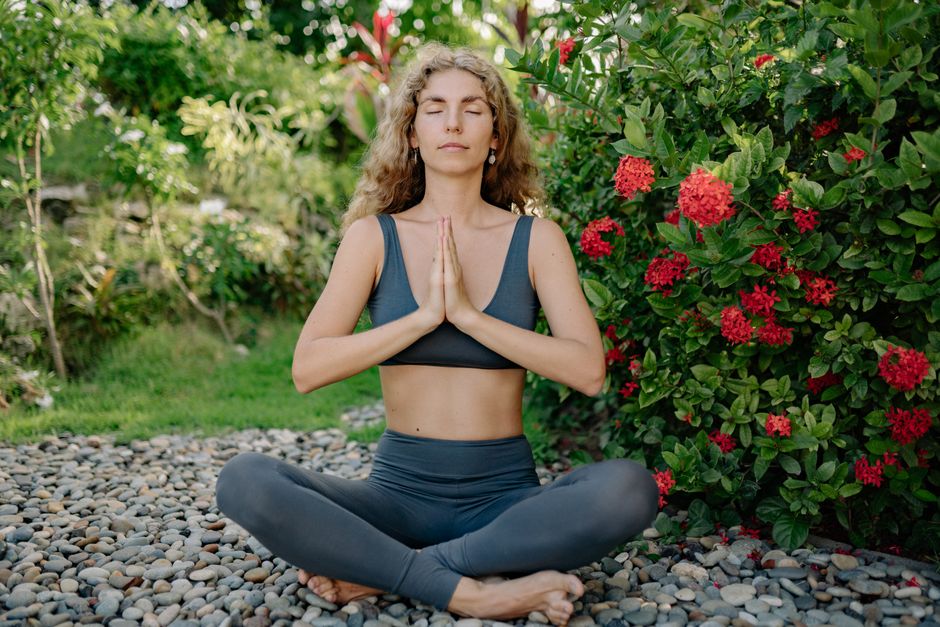
Mindfulness involves focusing on the present moment without judgment. It can be practiced through meditation, helping you develop a greater awareness of your thoughts and feelings.
- Start with just five minutes of meditation daily; apps like Headspace can be a good guide.
- Mindful breathing exercises can be practiced anywhere, even during your lunch break.
Traditional Nigerian Practices
Nigeria is rich in cultural practices that can aid stress management. Traditional music, dance, and even cooking can be therapeutic.
- Engage in cultural dances like Bata or Atilogwu to relieve stress while celebrating your heritage.
- Cooking traditional dishes can be a meditative and satisfying process.
Nutrition and Stress Management
Importance of a Balanced Diet
What you eat can affect your mood and stress levels. A balanced diet rich in fruits, vegetables, and lean proteins can help manage stress.
- Include nutrient-rich foods like leafy greens and nuts in your diet.
- Stay hydrated; drink plenty of water and avoid excessive caffeine.
Foods to Avoid
Certain foods can exacerbate stress. High-sugar snacks and caffeine can lead to energy crashes and increased stress.
- Limit your intake of sugary drinks and snacks.
- Choose complex carbohydrates for sustained energy levels.
The Role of Social Support
Connecting with Friends and Family
Strong social connections can be a buffer against stress. Spending time with loved ones provides emotional support and strengthens relationships.
- Schedule regular family gatherings or hangouts with friends.
- Share your feelings and experiences to foster a supportive environment.
Community Engagement
Involving yourself in community activities can provide a sense of belonging and purpose, reducing stress.
- Volunteer at local NGOs or participate in community events.
- Join clubs or societies that align with your interests.
Final Thoughts
Managing stress is a lifelong journey, but by incorporating these strategies into your daily routine, you can significantly improve your mental well-being. Remember, it's important to find a balance that works for you and to seek support when needed. With a combination of exercise, mindfulness, proper nutrition, and strong social connections, you can transform stress from a hurdle into a stepping stone for a healthier, happier life.