In today's fast-paced world, stress seems almost inevitable, especially in bustling cities like Lagos and Abuja. Whether it's the daily grind of traffic, work deadlines, or family responsibilities, many Nigerians find themselves overwhelmed. But what if there was a simple yet effective way to combat this stress? Enter mindfulness: a practice that has been gaining global recognition for its profound impact on mental health and well-being.
The concept of mindfulness isn't new, but its application in stress relief is transforming lives across various cultures and communities. Imagine being able to navigate the chaos of everyday life with a calm and centered mindset. Sounds too good to be true? Let's delve into how mindfulness can make this a reality for you.
Understanding Mindfulness
Mindfulness is the practice of being fully present and engaged in the moment, without judgment. At its core, it's about paying attention to your thoughts, feelings, and surroundings.
The Origins of Mindfulness
Mindfulness has roots in ancient meditation practices but has been embraced by modern psychology as a tool for enhancing mental health.
Why Mindfulness Matters
Research has shown that practicing mindfulness can significantly reduce stress, anxiety, and depression.
"Mindfulness helps you gain a new perspective on stressful situations, allowing you to approach them with clarity and calmness."
The Science Behind Mindfulness and Stress Relief
Mindfulness impacts the brain in fascinating ways, often leading to improved emotional regulation and resilience.
Brain Changes Induced by Mindfulness
Studies reveal that regular mindfulness practices can change the brain's structure, enhancing areas responsible for emotional control.
Mindfulness vs. Stress Response
Practicing mindfulness reduces the production of cortisol, the stress hormone, thus mitigating the body's stress response.
- Improved focus and concentration
- Enhanced emotional resilience
- Better interpersonal relationships
Practical Steps to Incorporate Mindfulness in Daily Life
Incorporating mindfulness into your routine doesn't have to be daunting. Here are some practical steps to get started.
Start with Breathing Exercises
Simple breathing exercises can be a great introduction to mindfulness, helping you center your thoughts and reduce stress.
Mindful Walking
Walking mindfully involves paying attention to the physical sensations of walking. This can be practiced during your daily commute or evening strolls.
Mindfulness Meditation
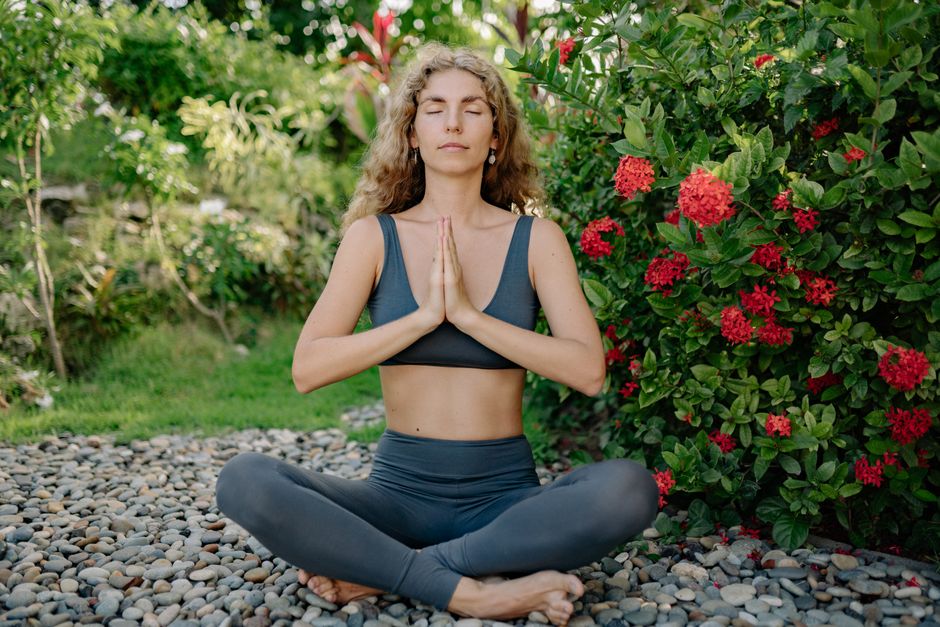
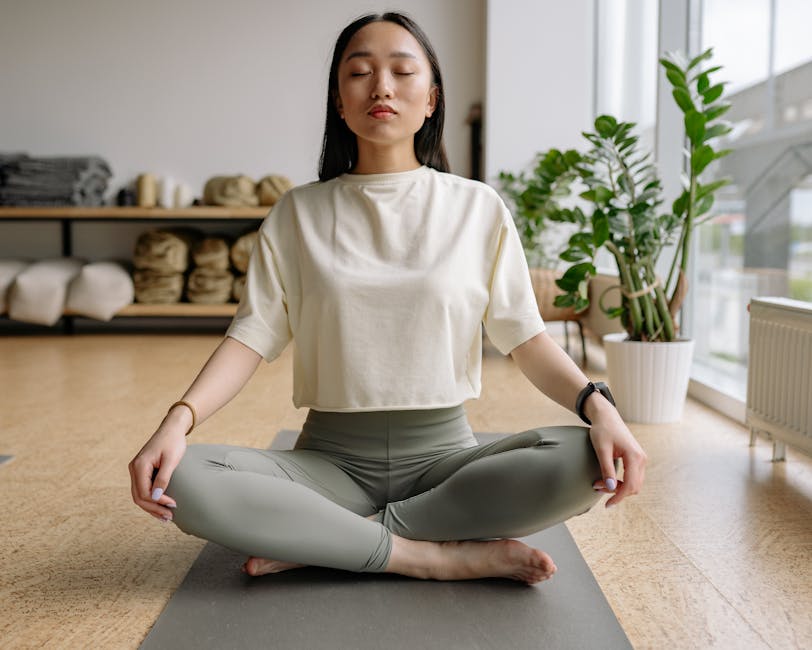
Set aside a few minutes each day to meditate. Focus on your breath and let go of distractions, bringing your attention back whenever your mind wanders.
Overcoming Common Barriers to Mindfulness
Many people struggle to adopt mindfulness due to misconceptions or practical difficulties. Let's address some common barriers.
Lack of Time
Many believe they don't have time for mindfulness. However, even a few minutes daily can make a difference.
Difficulty Concentrating
It's normal for the mind to wander. Mindfulness is about gently bringing your focus back, not about having a perfectly still mind.
Cultural Considerations and Mindfulness in Nigeria
Mindfulness can be adapted to fit the cultural context of Nigeria, enriching its practice and acceptance.
Integrating Traditional Practices
Nigerian culture has practices like communal gatherings and storytelling that can be infused with mindfulness to enhance focus and presence.
"Mindfulness isn't about changing who you are; it's about embracing your experiences fully."
Mindfulness and Community
Practicing mindfulness in groups, such as family or community events, can foster stronger connections and collective stress relief.
Conclusion
Mindfulness offers a powerful approach to managing stress, particularly in the dynamic and sometimes overwhelming environment of Nigeria. By embracing mindfulness, you can cultivate calmness amidst the chaos, enhancing your mental health and overall well-being. Remember, the journey to mindfulness is personal and unique—start with small steps and watch how your life transforms.