When the Harmattan winds start to blow across Nigeria, it's not just the landscape that changes. This dry and dusty season, typically spanning from late November to mid-March, brings with it more than just a drop in humidity and temperature. For many Nigerians, Harmattan can also trigger shifts in mental well-being. The combination of environmental changes and lifestyle adjustments can affect mood, sleep patterns, and overall mental health.
As the dry wind sweeps across the country, many Nigerians find themselves facing not only physical discomfort but also psychological challenges. The cultural and social dynamics of coping with Harmattan make this period unique, yet under-discussed in terms of mental health. This article will delve into why understanding the mental health implications of Harmattan is crucial and provide strategies to stay mentally strong during this season.
Understanding Harmattan's Impact on Mental Health
Climate Changes and Psychological Effects
Harmattan is characterized by dry, dusty winds that can lower visibility and create a haze. These climatic changes often lead to physical health issues such as dry skin, respiratory problems, and allergies. However, the psychological effects, while less visible, can be just as significant.
The dry air and reduced sunlight can contribute to seasonal affective disorder (SAD), a type of depression that occurs at a specific time of year. For instance, reduced sunlight exposure can affect your body's internal clock and lead to feelings of depression. Furthermore, the dust and dryness can make it harder to breathe, which can increase anxiety levels and stress.
Social and Cultural Dynamics
In many Nigerian communities, Harmattan is also a time when social activities might slow down. The cold mornings and evenings discourage outdoor activities and gatherings, which can isolate individuals from their social support networks. This isolation can exacerbate feelings of loneliness and depression.
"Harmattan is not just a weather pattern; it's a cultural shift that affects how we live and interact," says Dr. Chinedu, a mental health specialist in Lagos.
Practical Tips for Maintaining Mental Health During Harmattan
Stay Physically Active
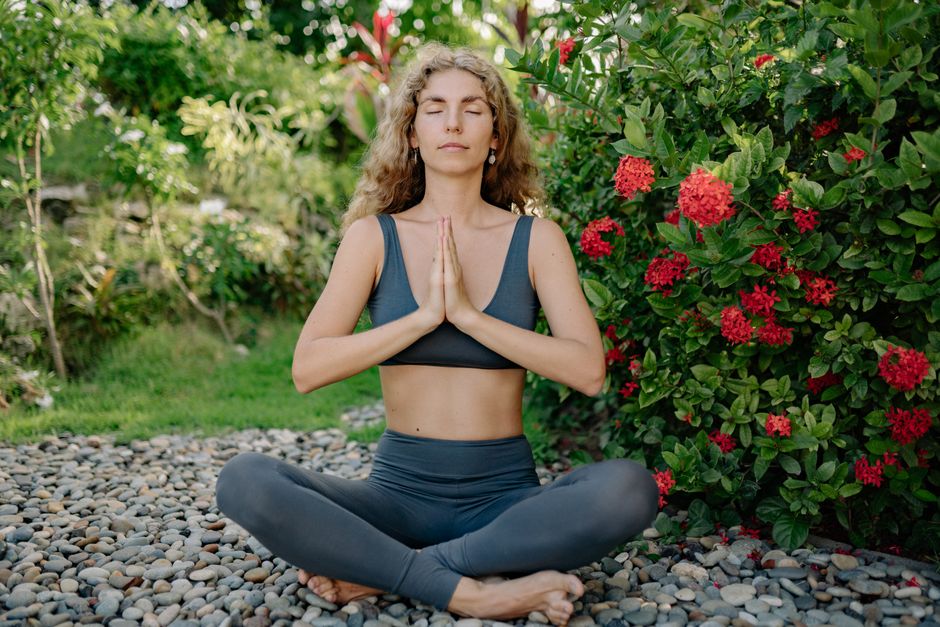
- Engage in indoor exercises like yoga or home workouts to maintain physical activity without braving the dust.
- Consider morning or evening walks when the dust settles and temperatures are more comfortable.
Physical activity is a natural mood booster. It can help alleviate symptoms of depression and anxiety that might be exacerbated during Harmattan.
Maintain Social Connections
- Organize indoor gatherings or virtual meet-ups to stay connected with friends and family.
- Use social media and communication apps to maintain daily interactions.
Staying connected can help mitigate feelings of isolation and support mental resilience.
Enhance Indoor Environment
- Use humidifiers to maintain moisture in your home to combat dry air.
- Ensure proper ventilation to keep the air fresh and reduce dust accumulation.
Creating a comfortable indoor environment can help reduce stress and improve overall well-being.
Seeking Professional Help
Recognizing When to Seek Help
It's important to recognize when the impacts of Harmattan on your mental health require professional intervention. If you find that mood changes are persistent and affect your daily life, it might be time to seek help from a mental health professional.
"Never hesitate to reach out for professional help if you notice significant changes in your mental health during Harmattan," advises Dr. Anu, a clinical psychologist in Abuja.
Local Resources for Mental Health Support
Nigeria has a growing network of mental health professionals and organizations dedicated to supporting individuals during challenging times. Reach out to local clinics or national mental health helplines for guidance and support.
Conclusion
While Harmattan brings its own set of challenges, understanding its effects on mental health can empower individuals to take proactive steps to maintain their well-being. By staying connected with loved ones, maintaining physical activity, and seeking professional help when necessary, Nigerians can navigate the Harmattan season with resilience and strength.