Living in Nigeria can be an exhilarating experience, filled with vibrant culture and opportunities. However, it also comes with its own set of stressors. From the bustling traffic of Lagos to the demands of everyday life, managing stress effectively is crucial for maintaining mental health. In this article, we'll explore practical strategies tailored to the Nigerian context to help you navigate stress and enhance your overall well-being.
Stress is a natural response to challenges and demands. It can motivate us to perform well, but when it becomes overwhelming, it can affect our physical and mental health. Understanding how to manage stress is essential, especially in Nigeria's fast-paced environment where balancing work, family, and social obligations is often a juggling act.
Understanding Stress and Its Impact
What is Stress?
Stress is your body's way of responding to any kind of demand or threat. When you feel threatened, your nervous system responds by releasing stress hormones, such as adrenaline and cortisol, which prepare the body for emergency action.
Effects of Stress on Health
Chronic stress can lead to a host of health issues, including heart disease, high blood pressure, diabetes, and mental health disorders such as depression and anxiety. It's important to recognize the signs of stress early to prevent these long-term effects.
Identifying Stress Triggers
Common Stressors in Nigerian Life
In Nigeria, stress can stem from various sources:
- Heavy traffic congestion in urban areas like Lagos
- Pressure from work or academic commitments
- Financial challenges and economic instability
- Family responsibilities and societal expectations
Being aware of these stressors can help you develop strategies to manage them effectively.
Practical Stress Management Techniques
Exercise Regularly
Physical activity is a powerful stress reliever. It releases endorphins, which improve your mood and help you relax. Whether it's jogging in a local park or joining a gym, find an activity that you enjoy.
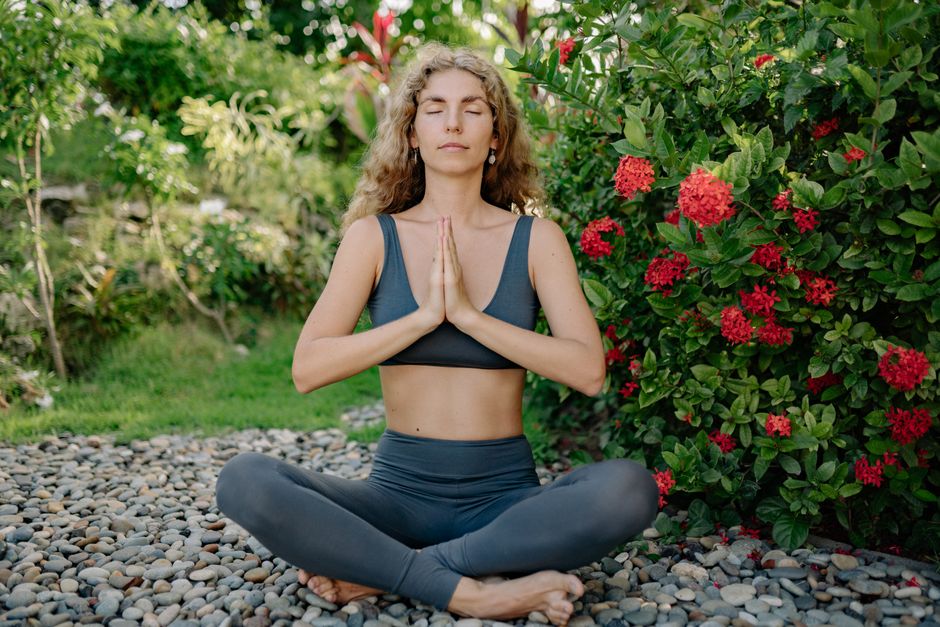
Practice Mindfulness and Meditation
Mindfulness and meditation practices can help calm your mind and reduce stress. Even a few minutes of focused breathing or meditation each day can make a significant difference.
Establish Healthy Routines
Creating a daily routine can provide structure and reduce uncertainty, which in turn can decrease stress. Ensure your routine includes time for relaxation and hobbies.
Building a Support System
Connect with Family and Friends
Having a strong support network can alleviate stress. Spend time with loved ones, share your thoughts, and don't hesitate to ask for help when needed.
Seek Professional Help
If you find it difficult to manage stress on your own, consider seeking professional help. Therapists and counselors can provide strategies and support tailored to your needs.
"Remember, managing stress is an ongoing process. It's important to find strategies that work for you and adapt them as your circumstances change."
Adopting a Holistic Approach
Nutrition and Stress
A balanced diet can impact how your body responds to stress. Incorporate fresh fruits, vegetables, and whole grains into your meals to maintain energy levels and improve mood.
Sleep and Relaxation
Quality sleep is essential for stress management. Ensure you have a regular sleep schedule and a comfortable sleep environment. Relaxation techniques before bed can improve sleep quality.
Conclusion
Managing stress effectively requires a combination of strategies tailored to your lifestyle and circumstances. By understanding your stress triggers and adopting practical techniques, you can improve your mental health and well-being. Remember, you're not alone in this journey, and reaching out for support can make a significant difference.
Embrace these strategies and take proactive steps to manage stress, enhancing not just your mental health but your overall quality of life in Nigeria.