Anxiety is a silent companion for many, lurking in the corners of our minds, waiting for the perfect moment to spring forth. Whether you're just beginning to navigate the tumultuous waves of anxiety or have been weathering the storm for years, understanding the nuances of how to manage it can be a game-changer. For Nigerians, the hustle and bustle of daily life can often exacerbate these feelings, making it crucial to find effective management techniques.
In this article, we will delve into the world of anxiety management, contrasting beginner-friendly tips with advanced strategies that more experienced individuals might find beneficial. This tailored approach ensures that no matter where you are on your mental health journey, there's something here for you.
Understanding Anxiety: A Primer
Before diving into management techniques, it's essential to grasp what anxiety really is. At its core, anxiety is a natural response to stress. It's a feeling of fear or apprehension about what's to come. While anxiety can be beneficial in some situations, prompting us to act and be alert, chronic anxiety can lead to more severe issues.
The Beginner's Guide to Anxiety
If you're just starting to recognize anxiety in your life, it's important to approach it with patience and understanding. Here are some beginner-friendly steps:
- Identify Triggers: Spend a week jotting down moments when you feel anxious. Is it during traffic in Lagos, or perhaps before a big meeting?
- Practice Deep Breathing: Simple yet effective. Try inhaling for a count of four, holding for four, and exhaling for four.
- Stay Present: Use grounding techniques like naming five things you can see, four you can touch, three you can hear, two you can smell, and one you can taste.
Advanced Strategies for the Experienced
For those who have been battling anxiety for a while, deeper strategies might be more effective:
- Cognitive Behavioral Therapy (CBT): Engage in CBT sessions to reframe negative thoughts and behaviors.
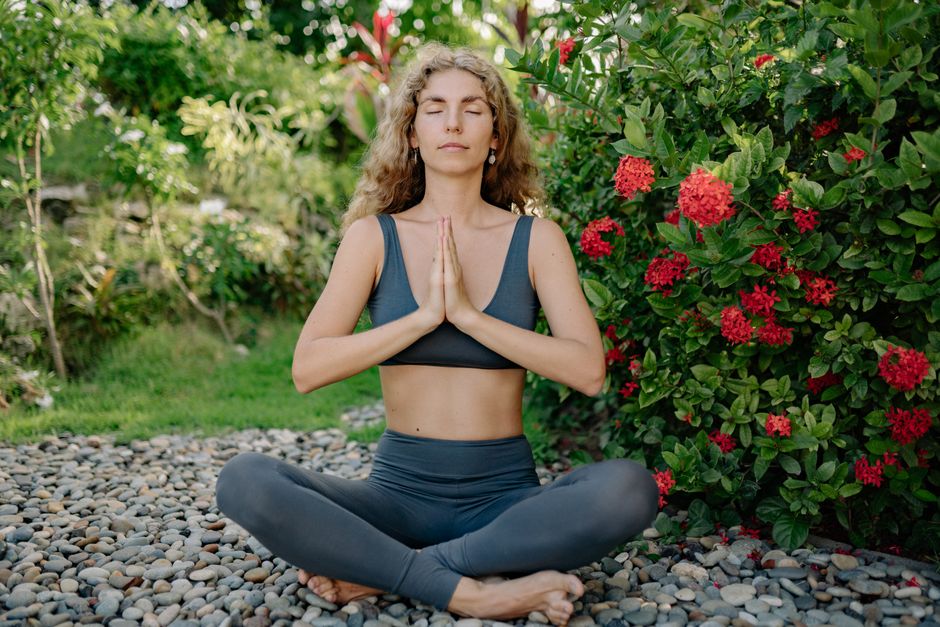
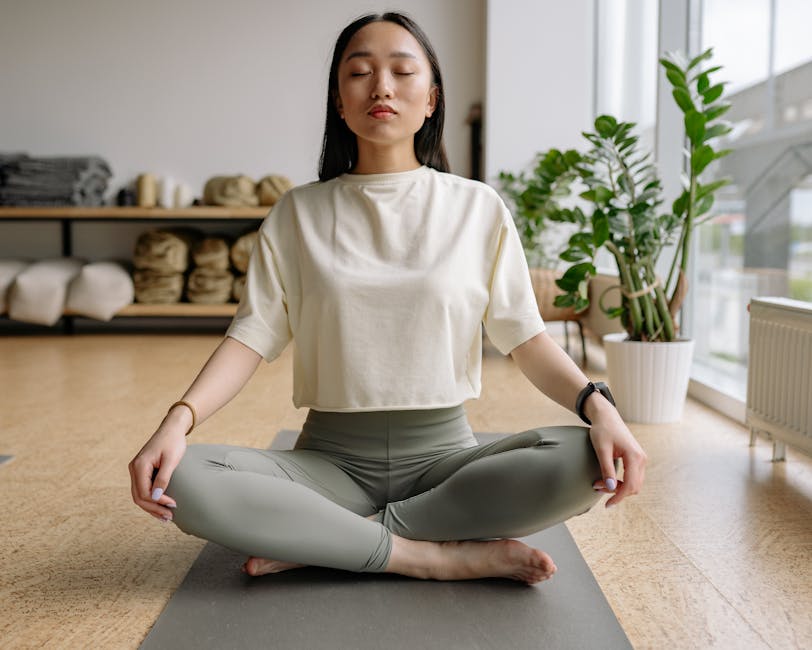
- Mindfulness Meditation: Commit to a daily practice of mindfulness meditation, which helps in reducing the overall anxiety levels.
- Progressive Muscle Relaxation: This involves tensing and then slowly releasing each muscle group, promoting relaxation.
Building a Support System
Regardless of whether you're a beginner or seasoned in managing anxiety, having a strong support system can make all the difference. Discussing your feelings with family and friends or joining a support group can provide comfort and understanding.
For Beginners
Start by reaching out to those closest to you. Sharing your experiences with a trusted friend or family member can alleviate the burden.
For the Experienced
Consider joining local support groups, either in-person or online, where you can share experiences and strategies with others who understand your journey.
"Anxiety is a thin stream of fear trickling through the mind. If encouraged, it cuts a channel into which all other thoughts are drained." - Arthur Somers Roche
Exploring Professional Help
Sometimes, personal strategies aren't enough. Seeking professional help is a courageous and wise step in managing anxiety.
Starting Out with Therapy
If you're new to therapy, begin by finding a licensed therapist who specializes in anxiety. The first step is always the hardest, but it's also the most rewarding.
Advanced Professional Support
For those more familiar with therapy, exploring different therapeutic methods like EMDR or biofeedback might be beneficial. These advanced techniques can offer deeper insights and relief.
Final Thoughts
Anxiety management is not a one-size-fits-all journey. By understanding where you are on this path, you can tailor strategies to suit your needs, whether you're just starting out or are looking for advanced techniques. Remember, the goal is not to eliminate anxiety but to manage it effectively, allowing you to live a fulfilling life despite its presence.