In the bustling streets of Lagos or the serene corners of Ibadan, mindfulness might seem like a foreign concept. However, integrating mindfulness into daily life can lead to profound transformations. From reducing stress to enhancing mental clarity, the practice of mindfulness offers numerous benefits, especially for Nigerians navigating the complexities of modern life.
This article aims to demystify mindfulness and provide practical, culturally relevant techniques to help you embrace a more mindful existence. Whether you're a busy professional, a student juggling multiple responsibilities, or a parent trying to maintain balance, mindfulness can be your ally.
Understanding Mindfulness
Mindfulness is the practice of being fully present and engaged in the moment, aware of your thoughts, feelings, and surroundings. It's about accepting your experiences without judgment. In Nigeria, where life can be fast-paced and stress is a common companion, mindfulness offers a pathway to tranquility and mental resilience.
Mindfulness vs. Meditation
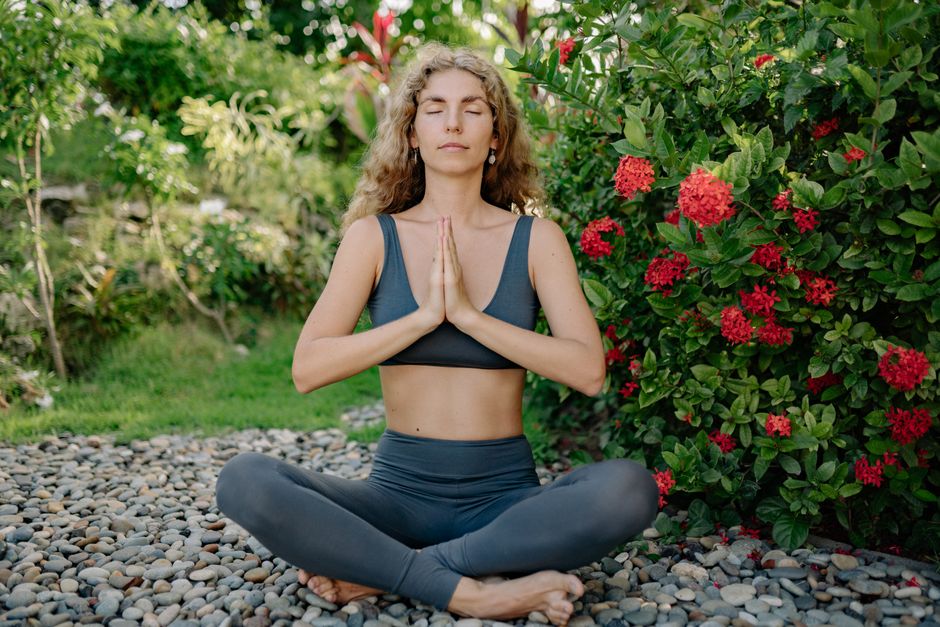
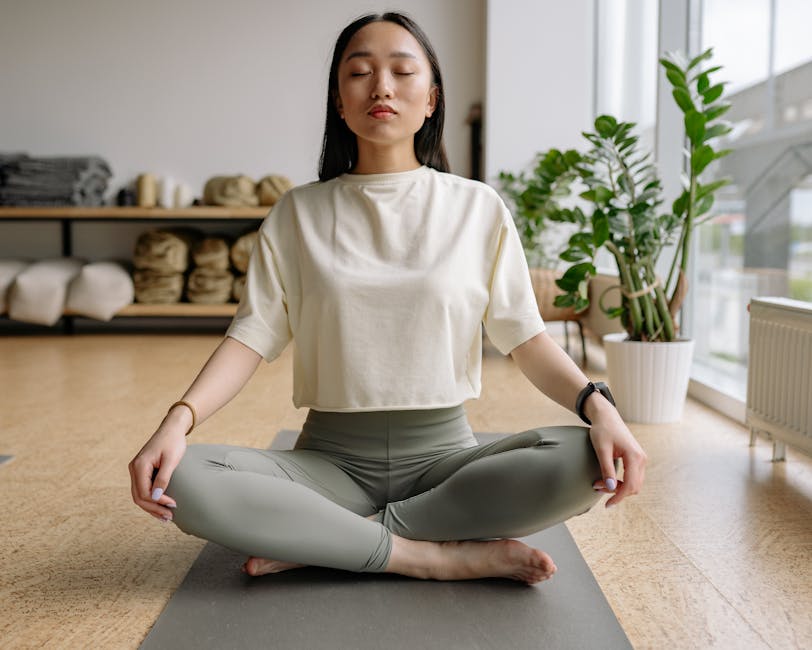
While often used interchangeably, mindfulness and meditation are distinct concepts. Meditation is a structured practice, often involving sitting quietly and focusing on breath or a mantra. Mindfulness, on the other hand, is a way of living—being aware and present in every moment.
Key Takeaway: You can practice mindfulness without meditating. It's about being aware and attentive at any moment, whether you're walking, eating, or having a conversation.
The Science Behind Mindfulness
Research shows that mindfulness can reduce stress, improve focus, and enhance overall well-being. A study conducted by the American Psychological Association found that mindfulness reduces anxiety and depression symptoms. It even boosts immune function, which is crucial for maintaining health in urban Nigerian environments.
- Stress Reduction: Mindfulness helps in recognizing stress triggers and managing responses.
- Improved Focus: Regular practice enhances concentration, which can be beneficial in academic and professional settings.
- Emotional Regulation: Mindfulness aids in acknowledging and accepting emotions, leading to better emotional health.
Practical Mindfulness Techniques for Nigerians
Mindful Breathing
One of the simplest ways to practice mindfulness is through mindful breathing. This can be done anywhere, be it during a chaotic bus ride in Lagos or a peaceful moment at home.
- Technique: Take a deep breath in through your nose, hold it for a few seconds, and exhale slowly through your mouth.
- Tip: Focus on the sensation of the breath entering and leaving your body.
Mindful Eating
Food is an integral part of Nigerian culture. Mindful eating encourages you to savor every bite and appreciate the flavors and textures of your meal.
- Technique: Eat slowly, without distractions. Notice the aroma, flavor, and texture of each bite.
- Tip: Try this with your favorite Nigerian dish, such as jollof rice or suya, and notice the difference.
Mindful Walking
Integrate mindfulness into your daily routine through mindful walking. Whether you're strolling in a market or walking to work, this practice can ground you.
- Technique: Focus on each step, the sensation of your feet touching the ground, and your surroundings.
- Tip: Try a five-minute mindful walk daily, noticing the sights and sounds of your environment.
Integrating Mindfulness into Nigerian Daily Life
Mindfulness doesn’t require special equipment or a lot of time. It can be woven into your daily routine, enhancing every aspect of life.
In the Workplace
Incorporate mindfulness at work by taking short breaks to focus on your breath or engage in mindful listening during meetings.
- Tip: Start meetings with a minute of silence to focus and center everyone.
In the Home
Create a mindful home environment by designating a quiet space for reflection and encouraging family mindfulness activities.
- Tip: Practice gratitude by sharing what you're thankful for during meals.
Expert Tip: Consistency is key. Even five minutes of mindfulness practice daily can make a significant difference over time.
Challenges and How to Overcome Them
Adopting mindfulness can be challenging, especially in a society that values productivity and speed. It's normal to face obstacles, but with persistence, you can overcome them.
Common Challenges
- Distractions: It's easy to lose focus with constant notifications and noise.
- Lack of Time: Busy schedules can make it difficult to find time for mindfulness.
Overcoming Challenges
- Set Intentions: Start your day with an intention to be more mindful.
- Use Technology Wisely: Download mindfulness apps to guide your practice.
- Be Patient: Mindfulness is a journey, not a destination. Progress takes time.
Conclusion
Mindfulness is not just a trend; it's a transformative approach to living fully and deeply. For Nigerians facing the pressures of modern life, it offers a way to connect with oneself and the world. By incorporating mindfulness practices into daily routines, you can enhance your mental wellness and lead a more balanced life. Remember, the journey to mindfulness is personal and unique, but every step you take brings you closer to a state of peace and awareness.