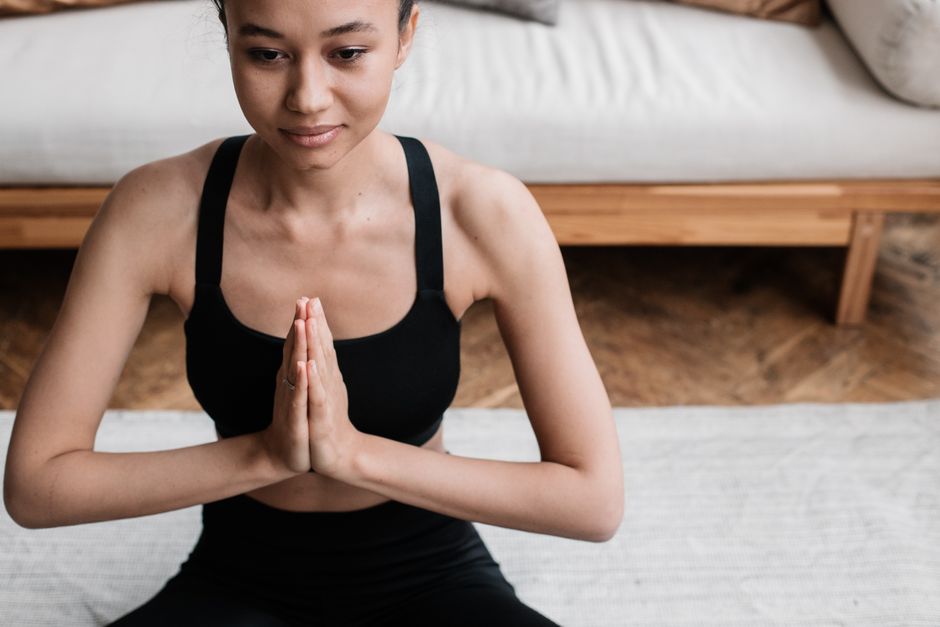
In today's fast-paced world, the concept of mindfulness has emerged as a powerful tool for enhancing mental health and well-being. Whether you're navigating the bustling streets of Lagos or enjoying the serene landscapes of Jos, integrating mindfulness into your daily routine can help you manage stress, improve focus, and cultivate a deeper sense of peace. In this article, we'll explore practical mindfulness techniques specifically tailored for Nigerian readers, to help you lead a more balanced and stress-free life.
Mindfulness is not just a trend; it's a practice deeply rooted in ancient traditions, yet it offers modern solutions to contemporary challenges. With Nigeria's unique blend of cultural richness and rapid urban development, mindfulness can serve as a bridge between maintaining cultural heritage and adapting to modern life's demands.
Understanding Mindfulness
Before diving into techniques, it's essential to understand what mindfulness truly means. At its core, mindfulness is about being present in the moment, fully engaged with your current experience without judgment or distraction.
The Origins of Mindfulness
Mindfulness has its roots in ancient meditation practices, particularly within Buddhism. However, its benefits are now recognized globally, beyond any religious or cultural boundaries.
Mindfulness in Modern Life
In a place as vibrant and diverse as Nigeria, where daily life can be both exhilarating and overwhelming, mindfulness offers a way to pause, reflect, and reconnect with oneself.
"Mindfulness helps you go home to the present. And every time you go there and recognize a condition of happiness that you have, happiness comes." - Thich Nhat Hanh
Practical Mindfulness Techniques
Implementing mindfulness doesn't require vast amounts of time or special equipment. Here are some accessible techniques you can start practicing today:
Breathing Exercises
- Sit comfortably with your back straight.
- Close your eyes and focus on your breathing.
- Inhale deeply through your nose, hold for a few seconds, and exhale slowly through your mouth.
- Repeat this process for 5 to 10 minutes to calm your mind.
This simple practice can be done anywhere, from your office in Abuja to a quiet spot in your home in Ibadan.
Body Scan
This technique involves paying attention to different parts of your body, promoting relaxation and awareness.
- Lie down comfortably on your back.
- Close your eyes and take a few deep breaths.
- Starting from your toes, slowly move your attention upward, observing any sensations without judgment.
The body scan can be particularly beneficial after a long day, helping you release tension and refocus your mind.
Mindful Walking
Incorporate mindfulness into your daily walk, whether you're navigating the streets of Lagos or walking through a local park.
- Walk slowly and deliberately, noticing each step.
- Pay attention to the sensations in your feet as they touch the ground.
- Observe the sights, sounds, and smells around you without becoming distracted.
Mindful walking allows you to connect with your environment and yourself, bringing a sense of peace and clarity.
Creating a Mindful Environment
Your surroundings can significantly impact your ability to practice mindfulness. Here are ways to create a space conducive to mindfulness at home or work:
Declutter Your Space
A clutter-free environment can reduce stress and enhance focus. Spend a few minutes each day tidying up your surroundings.
Use Natural Elements
Incorporate plants or natural objects like stones and shells into your space to create a calming atmosphere that encourages mindfulness.
Minimize Digital Distractions
Set boundaries with technology. Allocate specific times for digital use and embrace periods of digital detox to boost mindfulness.
The Benefits of Mindfulness for Mental Health
Practicing mindfulness can lead to numerous mental health benefits, including:
Reduced Stress and Anxiety
Mindfulness helps manage stress and anxiety by promoting relaxation and reducing the impact of negative thoughts.
Improved Focus and Concentration
Regular mindfulness practice enhances your ability to concentrate, helping you perform better in both personal and professional settings.
Enhanced Emotional Regulation
Mindfulness fosters emotional awareness, allowing you to manage your reactions and cultivate a more balanced emotional state.
Greater Resilience
By developing mindfulness skills, you can build resilience to life's challenges, better equipping yourself to handle adversity.
Incorporating Mindfulness into Daily Life
To truly benefit from mindfulness, it's essential to make it part of your daily routine. Here are some strategies to incorporate mindfulness into everyday life:
Set Aside Time Each Day
Dedicate a specific time each day to practice mindfulness, whether it's in the morning, during lunch, or before bed.
Start Small
Begin with short mindfulness sessions and gradually increase the duration as you become more comfortable with the practice.
Use Mindfulness Apps
Consider using apps like Headspace or Calm for guided mindfulness sessions, offering convenience and structure to your practice.
Conclusion
Mindfulness is a transformative practice that can enhance your mental health and overall well-being. By incorporating these simple techniques into your daily life, you can navigate the challenges of modern life in Nigeria with greater ease and clarity. Remember, mindfulness is a journey, not a destination. Be patient with yourself as you develop these skills and enjoy the many benefits they bring.