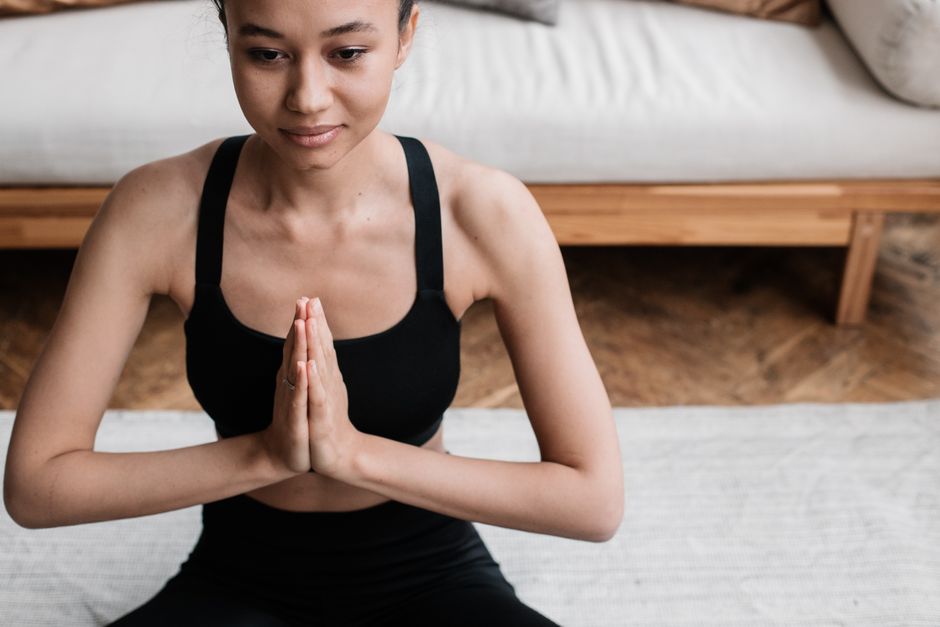
In the bustling streets of Lagos or the serene environments of Calabar, life in Nigeria is vibrant and fast-paced. But amidst the beauty and chaos, stress and anxiety often creep in, affecting our mental well-being. Whether it's the pressure of work, family responsibilities, or the unpredictability of daily life, finding balance is crucial. Mindfulness offers a practical solution, helping us to reconnect with the present moment, reduce stress, and enhance our overall mental health.
Mindfulness is not just a trendy concept; it's a valuable tool that can be integrated into our daily routines. By practicing mindfulness, we learn to observe our thoughts and emotions without judgment, allowing us to respond to life's challenges more calmly and effectively. In this article, we will explore various mindfulness techniques specifically tailored for Nigerian readers, providing practical ways to manage stress and anxiety.
Join us on this journey as we delve into the world of mindfulness, offering insights and strategies that can be easily incorporated into your lifestyle. Let's unlock the potential of mindfulness and embrace a more peaceful and balanced life.
Understanding Mindfulness
What Is Mindfulness?
Mindfulness is the practice of being fully present and engaged in the current moment, aware of our thoughts and feelings without distraction or judgment. It's about embracing the here and now, rather than dwelling on the past or worrying about the future.
The Benefits of Mindfulness
- Reduced Stress: Mindfulness helps lower stress levels by encouraging relaxation and facilitating a calm mental state.
- Improved Concentration: Practicing mindfulness can enhance your focus and clarity, making you more productive in daily tasks.
- Enhanced Emotional Health: By promoting self-awareness, mindfulness helps in managing emotions more effectively, reducing anxiety and depression symptoms.
- Better Physical Health: Mindfulness is linked to improved sleep, lower blood pressure, and a stronger immune system.
Simple Mindfulness Techniques
Mindful Breathing
One of the simplest and most effective mindfulness practices is mindful breathing. It involves focusing your attention on your breath, observing the sensation of breathing in and out. This practice can be done anywhere — at your desk, in a taxi, or even while waiting in line at the market.
“Breath is the bridge which connects life to consciousness, which unites your body to your thoughts.” — Thích Nhất Hạnh
Body Scan Meditation
This technique involves mentally scanning your body from head to toe, paying attention to any sensations, tensions, or discomforts. It encourages relaxation and releases physical tension.
Mindful Eating
Bring mindfulness to your meals by eating slowly, savoring each bite, and appreciating the flavors and textures of your food. This practice not only enhances the enjoyment of meals but also promotes better digestion and reduces overeating.
Incorporating Mindfulness into Daily Life
Morning Routine
Start your day with a moment of mindfulness. Before getting out of bed, take a few deep breaths and set a positive intention for the day. This simple act can set the tone for a mindful and balanced day ahead.
Mindful Commuting
Turn your commute into a time of reflection rather than stress. Whether you're driving or using public transport, pay attention to the sights and sounds around you, and practice deep breathing to stay calm.
Digital Detox
In our digital age, constant notifications can increase stress and anxiety. Allocate specific times to check your devices and spend the rest of the day unplugged, focusing on the present moment.
Challenges and How to Overcome Them
Staying Consistent
Maintaining a mindfulness practice can be challenging amid busy schedules. Set realistic goals and gradually increase your practice duration as you become more comfortable.
Dealing with Distractions
It's natural for the mind to wander. When you notice distractions, gently bring your focus back to your breath or the task at hand. With practice, staying focused will become easier.
Lack of Time
Integrate mindfulness into existing routines rather than adding new tasks. Practice mindful breathing while cooking or body scan meditation before bedtime.
Conclusion
Incorporating mindfulness into your daily life can significantly reduce stress and anxiety, leading to a more fulfilling and peaceful existence. By understanding the principles of mindfulness and applying these simple techniques, you can transform challenges into opportunities for growth and self-discovery.
As you navigate the vibrant life in Nigeria, remember that mindfulness is a journey, not a destination. Embrace each moment with openness and curiosity, and you'll find that peace and balance are within reach. Let mindfulness be your guiding star, illuminating your path to mental well-being and emotional resilience.