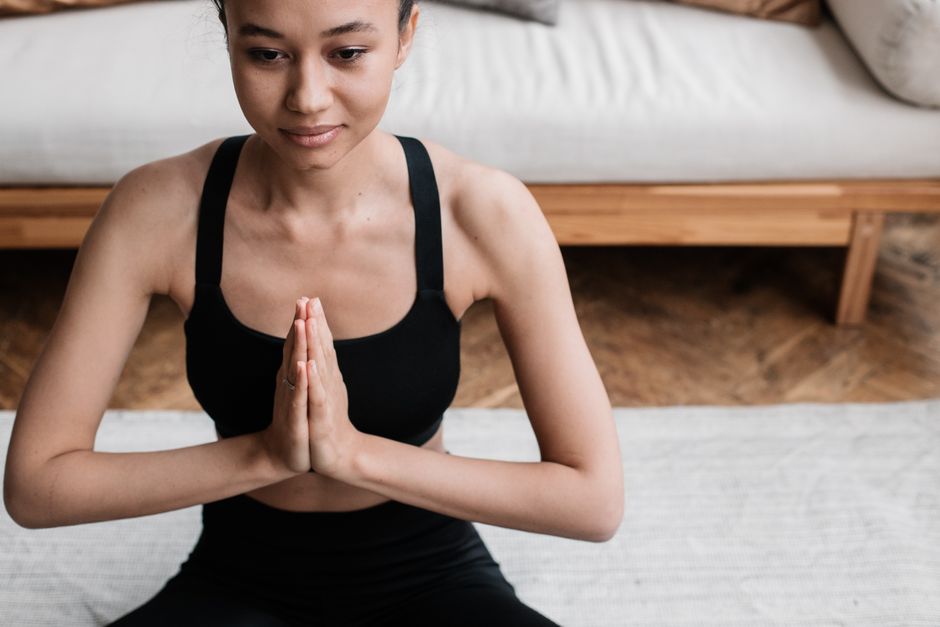
In a bustling country like Nigeria, where the hustle and bustle of daily life can be overwhelming, managing stress and anxiety is crucial for maintaining mental wellness. Many Nigerians juggle multiple responsibilities, from demanding jobs to family obligations, leaving little room for personal peace. This is where mindfulness comes into play. Mindfulness is a powerful tool that allows us to focus on the present moment and reduce stress. By integrating mindfulness into our daily routines, we can significantly improve our mental health and overall well-being.
Mindfulness isn't just about meditation; it's a way of life that encourages us to be fully present in every moment. Whether you're stuck in Lagos traffic or enjoying a quiet moment at home, mindfulness can help you manage anxiety and stress effectively. This article explores practical mindfulness techniques that suit the Nigerian lifestyle, helping you lead a more balanced and stress-free life.
We've all heard about mindfulness, but how do we practice it effectively? In a world filled with constant distractions and pressures, being mindful can seem daunting. However, with the right techniques and mindset, you can easily incorporate mindfulness into your daily routine and experience its transformative benefits.
Understanding Mindfulness and Its Benefits
Mindfulness is the practice of being aware of your thoughts, feelings, and surroundings without judgment. It involves a heightened state of focus and attention, allowing you to be present in the moment.
What is Mindfulness?
Originating from ancient meditation traditions, mindfulness has been adapted into modern psychological practices. It involves paying attention to your thoughts and feelings without overreacting or feeling overwhelmed.
Benefits of Mindfulness
- Reduces Stress: By focusing on the present, mindfulness helps lower levels of cortisol, the stress hormone.
- Improves Focus: Mindfulness enhances concentration and cognitive flexibility.
- Boosts Emotional Health: Practicing mindfulness can lead to improved emotional regulation and reduced symptoms of anxiety and depression.
Mindfulness Techniques for Everyday Life
Mindful Breathing
Mindful breathing is a simple yet effective way to calm your mind. It involves focusing on your breath and being aware of each inhalation and exhalation.
"Taking slow, deep breaths can help reduce anxiety and bring a sense of calm."
- Find a quiet space and sit comfortably.
- Close your eyes and take a deep breath in through your nose.
- Hold your breath for a few seconds, then slowly exhale through your mouth.
- Repeat this process for a few minutes, focusing solely on your breath.
Body Scan Meditation
This technique involves lying down and mentally scanning your body from head to toe, noticing any sensations without judgment.
- Lie down comfortably and close your eyes.
- Focus on each part of your body, starting from your toes and working your way up to your head.
- Acknowledge any tension or discomfort and consciously relax those areas.
- This practice helps release physical tension and promotes relaxation.
Mindful Eating
Mindful eating involves paying attention to the taste, texture, and aroma of your food. It's about being present during meals and savoring each bite.
- Before you start eating, take a moment to appreciate the food in front of you.
- Chew slowly and savor the flavors.
- Notice how your body feels as you eat and stop when you're full.
- This practice can lead to healthier eating habits and better digestion.
Incorporating Mindfulness into Nigerian Lifestyles
Integrating mindfulness into daily life can be challenging, but it's possible with small, consistent changes.
Mindfulness in the Workplace
Practicing mindfulness at work can help you manage stress and improve productivity.
- Take short breaks throughout the day to practice mindful breathing.
- Set reminders to stand up, stretch, and refocus your mind.
- Create a calming workspace that encourages focus and creativity.
Mindfulness at Home
Your home can be a haven for mindfulness practices, helping you unwind and recharge.
- Dedicate a space for meditation or quiet reflection.
- Involve your family in mindfulness activities like mindful cooking or walks.
- Limit distractions by setting boundaries around technology use.
Overcoming Challenges in Practicing Mindfulness
Common Barriers
Many people face challenges when trying to practice mindfulness, such as lack of time or difficulty staying focused.
- Start with short sessions and gradually increase the duration.
- Use guided meditation apps or online resources to stay motivated.
- Remember that mindfulness is a practice, not a perfect state.
Staying Consistent
Consistency is key to making mindfulness a part of your routine.
- Set a regular time each day for mindfulness practices.
- Keep a journal to track your progress and reflect on your experiences.
- Find a mindfulness partner or group for support and accountability.
Conclusion
Mindfulness is a powerful practice that can help you navigate the complexities of modern life with greater ease and resilience. By incorporating mindfulness techniques into your daily routine, you can achieve a more balanced and fulfilling life, even amidst the pressures of Nigerian society. Remember, the journey to mindfulness is personal and unique to everyone. Start small, be patient with yourself, and enjoy the transformative benefits of living mindfully. Embrace mindfulness as a lifelong journey towards self-awareness and peace.


