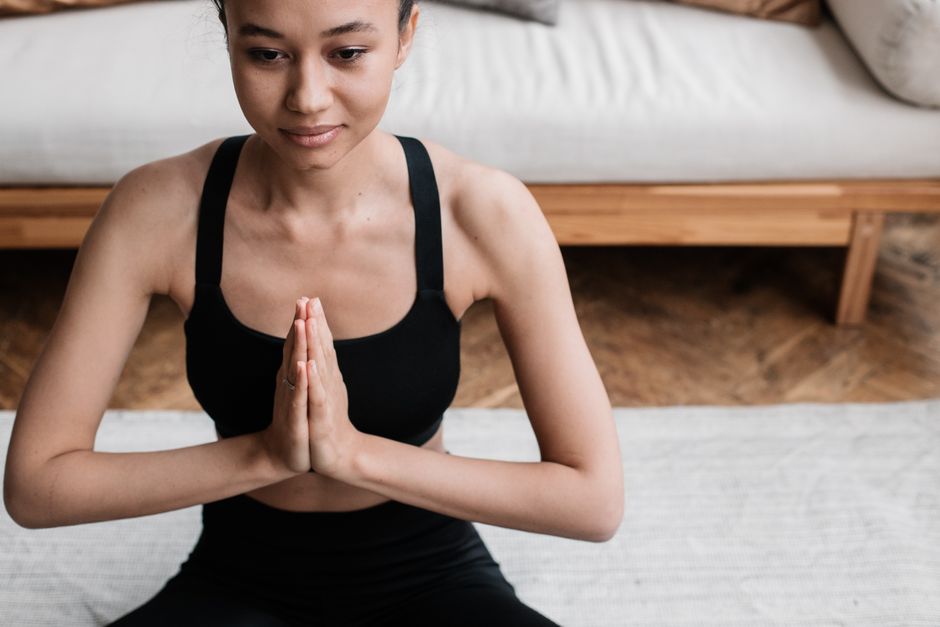
In the fast-paced world we live in today, anxiety and stress have become almost unavoidable companions. For many Nigerians, juggling work, family, and social obligations, these feelings can be overwhelming. However, there is a powerful tool that can help manage these pressures: mindfulness. This age-old practice is not just a trend; it's a scientifically proven method to enhance mental health and improve quality of life.
Mindfulness involves being fully present in the moment, aware of our thoughts, feelings, and surroundings without judgment. It is about living in the 'here and now' rather than being consumed by worries about the future or regrets about the past. Let's delve into how mindfulness can specifically help Nigerians manage anxiety and stress, and explore practical ways to incorporate it into our daily lives.
Understanding Anxiety and Stress in Nigeria
Anxiety and stress manifest in various forms, often influenced by cultural and socio-economic factors. In Nigeria, high unemployment rates, economic instability, and societal expectations can contribute significantly to these mental health challenges.
Common Triggers of Anxiety and Stress
- Financial Pressure: The demand to provide for family and meet societal expectations can lead to stress.
- Work Environment: High-pressure jobs and long commutes can heighten anxiety levels.
- Societal Norms: Expectations around marriage, success, and social status can be overwhelming.
The Cultural Perspective on Mental Health
Mental health is often stigmatized in Nigeria, with many viewing anxiety and stress as signs of weakness or personal failure. This stigma can prevent individuals from seeking help and adopting beneficial practices like mindfulness.
What is Mindfulness?
Mindfulness is a practice rooted in ancient traditions, particularly in meditation, that is now supported by modern psychology as an effective tool for enhancing well-being. It involves cultivating an awareness of the present moment without judgment.
Benefits of Mindfulness
- Reduced Stress Levels: Regular mindfulness practice can lower stress hormones.
- Improved Focus: Helps in better concentration and productivity.
- Enhanced Emotional Regulation: Aids in managing emotions effectively.
Mindfulness is about being fully awake in our lives. It is about perceiving the exquisite vividness of each moment. — Jon Kabat-Zinn
Mindfulness Techniques to Manage Anxiety and Stress
Breathing Exercises
Simple breathing techniques can help calm the mind and reduce anxiety. Try the following steps:
- Sit comfortably and close your eyes.
- Inhale deeply through your nose for a count of four.
- Hold your breath for a count of four.
- Exhale slowly through your mouth for a count of four.
Guided Meditation
There are numerous apps and online resources offering guided meditation sessions specifically designed to alleviate stress and anxiety. Regular practice can lead to significant improvements.
Mindful Walking
Walking can be a mindful activity. Pay attention to each step, the sensations in your feet, and the rhythm of your breath as you move. This practice can be particularly soothing in natural settings like parks or gardens.
Integrating Mindfulness Into Daily Life
Mindful Eating
Eating mindfully involves fully concentrating on the experience of eating, appreciating the flavors and textures of food, and reducing mindless snacking.
Mindfulness in Relationships
Practice active listening and empathy in interactions with others. This can deepen connections and reduce misunderstandings, further easing anxiety caused by social interactions.
Creating a Mindful Space at Home
Designate a 'mindfulness corner' in your home where you can retreat for meditation or deep breathing exercises. Fill this space with calming elements like candles or plants.
Overcoming Challenges in Practicing Mindfulness
Despite its benefits, integrating mindfulness into daily life can pose challenges, especially amidst a busy Nigerian lifestyle. Let's address some common obstacles and solutions.
Lack of Time
Start small. Even five minutes a day can have a significant impact. Gradually increase the duration as you become more comfortable with the practice.
Difficulty Concentrating
It's normal to struggle initially. Guided meditations can help keep your mind focused, as can using a meditation app with soothing sounds.
Breaking the Habit of Multitasking
Mindfulness encourages single-tasking. Focus fully on one thing at a time, whether it's eating, listening, or working, and observe how your stress levels decrease.
Conclusion
Mindfulness offers a path to manage anxiety and stress that is accessible to everyone. By incorporating these practices into your daily routine, you can cultivate a more peaceful and balanced life. Remember, it's a journey, not a destination. Start today, and you'll gradually see the positive effects unfold.