In the bustling, vibrant atmosphere of Nigeria's cities, where the noise of traffic competes with the lively banter of market vendors, the concept of mindfulness might seem like a foreign luxury. Yet, as the pace of life accelerates and stress levels rise, integrating mindfulness into daily routines becomes increasingly important for maintaining mental health. This article delves into practical mindfulness techniques that Nigerian readers can implement, offering a path to greater peace and mental clarity.
Mindfulness, simply put, is the practice of being fully present in the moment. It involves acknowledging and accepting one's feelings, thoughts, and bodily sensations without judgment. While the term is widely discussed in health and wellness circles worldwide, implementing it in the Nigerian context requires a unique approach that considers cultural and environmental factors.
Understanding Mindfulness
Before diving into techniques, it's essential to understand what mindfulness truly means. At its core, mindfulness is about creating a heightened awareness of the present moment. This awareness can significantly impact your mental health by reducing stress, enhancing emotional regulation, and improving overall well-being.
The Science Behind Mindfulness
Research has shown that mindfulness practices can lead to physical changes in the brain. Regular practice increases grey matter density in areas associated with learning, memory, and emotional regulation. Furthermore, mindfulness can decrease activity in the brain's "me center," reducing symptoms of anxiety and depression.
Mindfulness in Nigerian Culture
Nigerian culture is rich with traditions that naturally encourage mindfulness, from the rhythmic beats of the talking drum to the meditative state achieved during traditional dance. Embracing these cultural practices can enhance mindfulness efforts.
Practical Mindfulness Techniques
Mindful Breathing
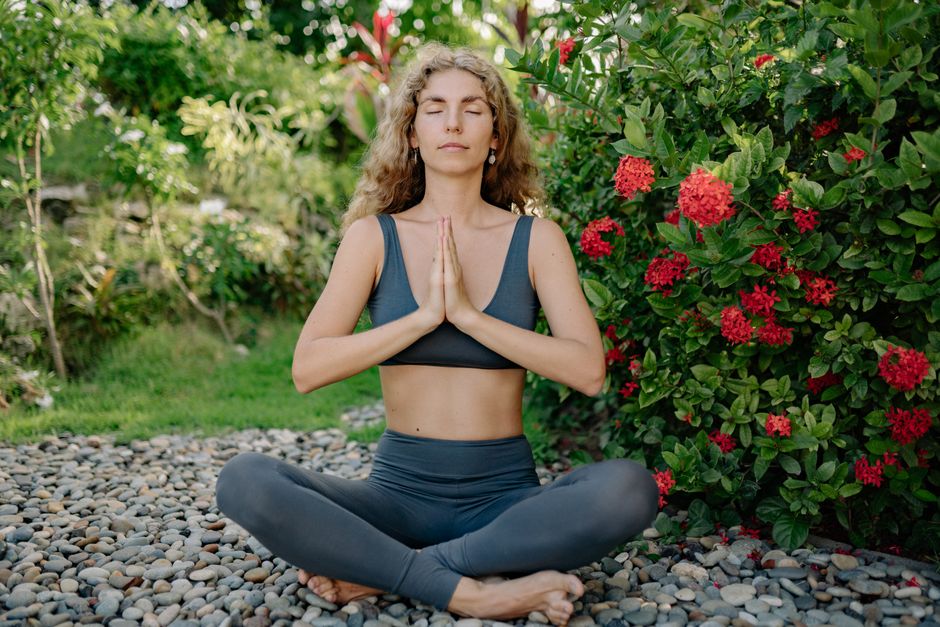
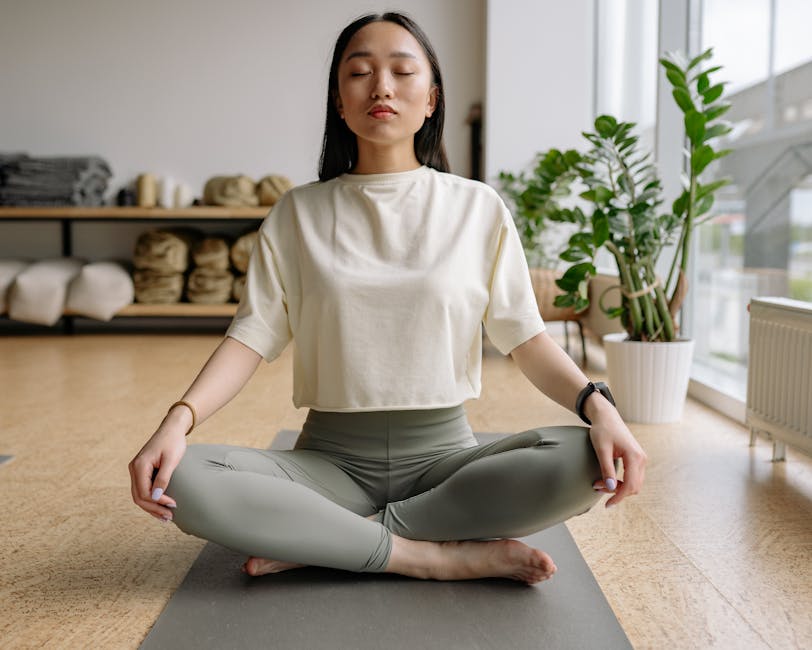
A simple yet powerful technique, mindful breathing can be practiced anywhere, from the crowded streets of Lagos to the serene landscapes of the Plateau. Take deep breaths, focusing on the sensation of air entering and leaving your body.
- Find a comfortable position, sitting or lying down.
- Close your eyes and take a deep breath in through your nose.
- Let the breath out slowly through your mouth, feeling the tension release.
- Repeat for a few minutes, allowing your mind to focus solely on your breath.
Body Scan Meditation
This technique helps you become more aware of bodily sensations, promoting relaxation and reducing stress.
- Start at your feet, focusing on any sensations present.
- Gradually move your attention upwards, scanning through each part of your body.
- Notice any tension and consciously relax those areas.
- Take your time, allowing yourself to be present with each sensation.
Integrating Mindfulness in Everyday Life
Mindful Eating
The hustle and bustle of everyday life often result in hurried meals. Practicing mindful eating can transform this routine activity into a nourishing experience.
"When eating, be mindful of each bite. Savor the flavors and textures, appreciating the work that brought that meal to your table."
Mindful Commuting
Whether you're stuck in Lagos traffic or on a quiet bus ride, use this time for mindfulness. Focus on the sensations of the journey, observing without judgment the movement around you.
This practice can transform your perception of commuting from a stressful necessity to a time of self-reflection or gratitude.
Benefits of Mindfulness on Mental Health
Reducing Stress and Anxiety
Practicing mindfulness helps shift the focus from external pressures to internal peace, reducing stress and alleviating anxiety symptoms.
Improving Focus and Clarity
By training the mind to focus on the present, mindfulness enhances concentration and clarity, aiding in more effective decision-making and problem-solving.
These benefits can be especially valuable in a fast-paced environment, helping individuals navigate daily challenges with greater ease.
Enhancing Emotional Well-being
Mindfulness fosters greater emotional awareness and regulation, allowing individuals to respond to situations with greater understanding and compassion.
This emotional intelligence can improve interpersonal relationships, leading to more fulfilling interactions and connections.
Final Thoughts
Adopting mindfulness practices in Nigeria offers a unique opportunity to enhance mental wellness amidst life's myriad demands. By embracing both traditional cultural practices and modern mindfulness techniques, individuals can cultivate a balanced and peaceful mind. Whether you're a student, a business professional, or a busy parent, integrating these practices can help you navigate life's challenges with grace and resilience. Remember, the journey to mindfulness is personal and ongoing, and every step forward is a step towards a healthier, more mindful life.