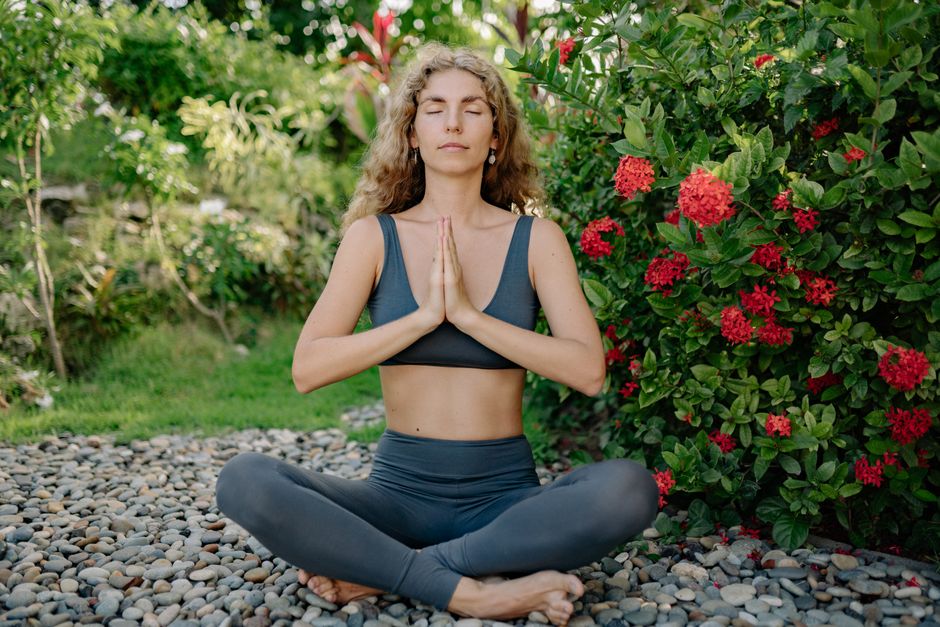
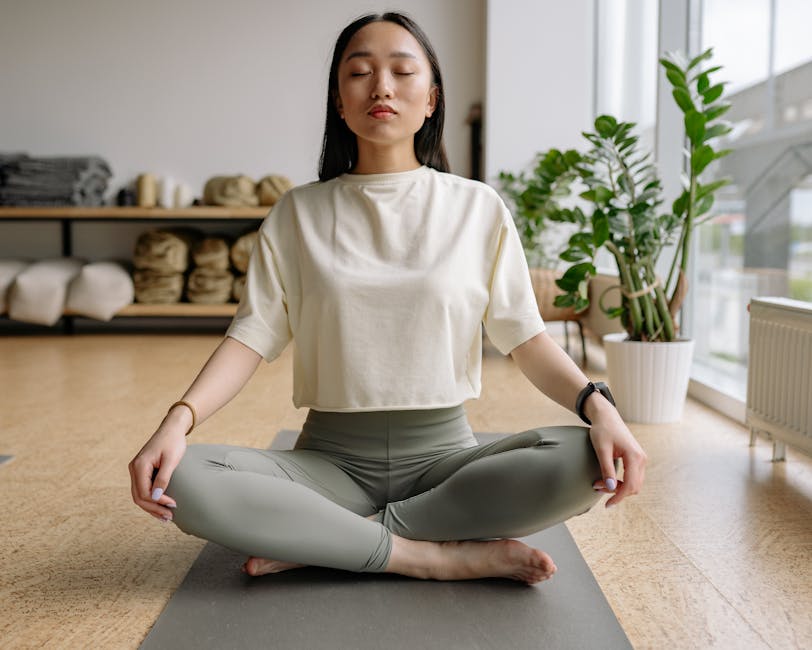
The journey of mindfulness meditation can be likened to learning a musical instrument. Initially, it feels awkward, perhaps even frustrating, as you struggle to find your rhythm. But with dedication, what was once challenging becomes a source of profound peace and clarity. Whether you're just dipping your toes into mindfulness or have been practicing for years, each stage of this journey offers unique challenges and rewards.
Let's start with the beginner's perspective. Imagine, it's your first day trying mindfulness meditation. You're sitting quietly in a corner of your home in Lagos, the bustling city noise in the background. Your mind races with thoughts about unfinished tasks and future worries. This is where most beginners find themselves.
The Beginner's First Steps
Setting Realistic Expectations
As a beginner, it's easy to feel overwhelmed. Many new to mindfulness expect immediate results, thinking they'll achieve instant relaxation or enlightenment. However, the key is to set realistic expectations. Understand that mindfulness is a practice that evolves over time.
"It's not about stopping your thoughts but learning to observe them without judgment."
Beginners should aim for short sessions, perhaps just 5-10 minutes a day, gradually increasing as they become more comfortable.
Building the Habit
Establishing a routine is crucial. Consider setting aside the same time each day for your practice. Maybe it's first thing in the morning before the city's hustle begins, or perhaps it's in the evening when the day winds down.
- Find a quiet spot in your home.
- Use guided meditation apps like Calm or Headspace to assist you.
- Keep a journal to reflect on your experiences.
The Experienced Practitioner's Deep Dive
Advanced Techniques and Practices
For those with more experience, mindfulness meditation is about deepening the practice. This might involve trying different techniques, such as body scans or loving-kindness meditation.
"Experienced meditators often explore mindfulness retreats for a more immersive experience."
These retreats, although rare in Nigeria, offer a deeper connection to oneself, away from everyday distractions.
Overcoming Plateaus
Even experienced practitioners face challenges. One common issue is hitting a plateau where meditation feels stagnant. To overcome this, it's essential to switch up routines, perhaps exploring new meditation styles or changing the environment to reignite the practice.
Joining a local meditation group can also provide new perspectives and keep the practice dynamic.
Mindfulness in the Nigerian Context
Cultural Considerations
In Nigeria, where communal living and family ties are strong, finding personal space for meditation may be tricky. However, integrating mindfulness into daily activities like cooking or commuting can be effective.
Leveraging Community Resources
Though mindfulness retreats might not be commonplace, local wellness centers and online communities can offer support. Connecting with fellow practitioners can enhance motivation and provide a sense of belonging.
Final Thoughts
Mindfulness meditation is an evolving journey, whether you're a curious beginner or a seasoned practitioner. While the challenges differ at each stage, the benefits grow with practice. Embrace the process, and remember that every moment spent in mindfulness is a step towards a more peaceful and aware life. By understanding the nuances at each stage, you can tailor your practice to suit your needs and life circumstances, drawing deeper connections with yourself and the world around you.