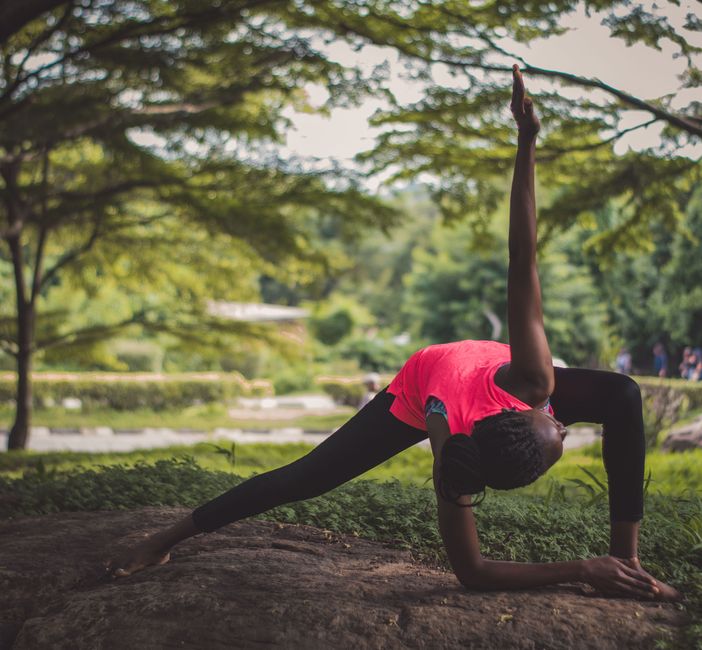
In today's fast-paced world, filled with endless responsibilities and the constant buzz of technology, finding moments of peace can seem almost impossible. Yet, there's a powerful tool available to all of us that can help manage stress, enhance well-being, and re-anchor our lives—mindfulness. For many Nigerians, mindfulness is more than just a trendy buzzword; it's a practical approach to living that can be seamlessly integrated into our everyday routines. But what does mindfulness look like in the context of Nigerian culture?
In this article, we'll explore various mindfulness practices specifically tailored for Nigerian readers, drawing on familiar cultural references and everyday scenarios to make mindfulness not only accessible but deeply meaningful.
Understanding Mindfulness
Mindfulness can be described as the practice of being present and fully engaged with the current moment, without distraction or judgment. It's about waking up to the inner workings of our mental, emotional, and physical processes.
The Benefits of Mindfulness
- Reduced Stress: Mindfulness encourages a focus on the present moment, helping to alleviate stress and anxiety.
- Improved Focus: Regular practice enhances concentration and cognitive flexibility.
- Enhanced Emotional Health: Being mindful can lead to improved emotional regulation and greater self-awareness.
These benefits are essential in a country like Nigeria, where the hustle and bustle of life can often lead to overwhelming stress.
Incorporating Mindfulness into Daily Life
Mindful Morning Rituals
Starting the day with mindfulness can set a positive tone for the rest of the day. Consider incorporating these practices:
- Mindful Breathing: Spend a few minutes each morning focusing on your breath. Inhale deeply through your nose, hold it for a moment, and exhale slowly through your mouth.
- Gratitude Practice: Before getting out of bed, reflect on three things you are grateful for. This can help shift your mindset towards positivity.
Mindfulness in Movement
Nigerians often engage in lively physical activities, from traditional dances to sports. These can be excellent opportunities for mindfulness practice.
"When dancing, pay attention to how your body moves. Feel the rhythm and let yourself be fully immersed in the experience."
Whether it's a session of Afrobeat dance or a simple morning walk, engage fully with the sensations in your body and the sounds around you.
Mindful Eating Practices
Food is a central part of Nigerian culture, and eating mindfully can transform meals into a meditative practice.
Engage Your Senses
- Savor Each Bite: Focus on the flavors, textures, and aromas of your food. Eat slowly and chew thoroughly.
- Gratitude for Food: Reflect on where your food comes from and the effort put into its preparation. This practice cultivates appreciation and mindfulness.
Eating Without Distractions
Try to eat without the distraction of screens or other activities. This helps you connect with your meal and notice hunger and fullness cues more effectively.
Mindfulness in Nigerian Workplaces
The workplace is often a source of significant stress. Incorporating mindfulness can improve job satisfaction and reduce burnout.
Mindful Breaks
Take short, mindful breaks throughout your workday. Stand up, stretch, or take a few deep breaths to reset your focus.
"A simple 5-minute walk around your office building, focusing on your breath and surroundings, can significantly reduce stress levels."
Cultivating a Mindful Work Environment
- Mindful Meetings: Begin meetings with a moment of silence or a breathing exercise.
- Encourage Open Communication: Foster an environment where team members feel comfortable expressing their thoughts and feelings.
Community-Based Mindfulness
Nigerian culture thrives on community and connection. Mindfulness can be an enriching practice when shared with others.
Group Mindfulness Activities
- Community Yoga or Meditation Groups: Joining a group can provide support and enhance motivation.
- Spiritual Mindfulness: Many Nigerians find mindfulness through religious practices like prayer and meditation, which can be integrated into community gatherings.
Sharing Stories and Experiences
Encourage open discussions about mindfulness experiences in community settings. Sharing insights can foster deeper understanding and collective growth.
Conclusion
Mindfulness is a journey, not a destination. It's about finding moments of peace and presence amidst the chaos of daily life. By incorporating these mindfulness practices tailored to Nigerian culture, you can improve your mental well-being and find greater balance in your life. Remember, mindfulness is about taking small, consistent steps every day. As you begin to embrace mindfulness, you'll likely find a renewed sense of connection to yourself, your community, and the world around you.