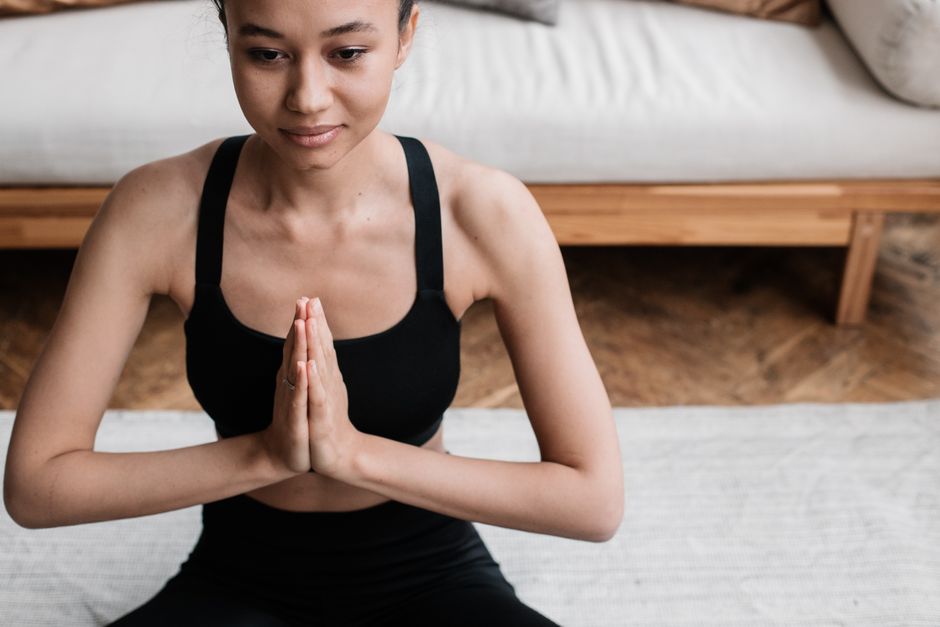
In the bustling world we live in, managing stress and anxiety has become an essential skill. For many Nigerians, balancing work, family, and personal growth can often feel overwhelming. However, mindfulness offers a beacon of hope—a practice that can significantly ease the weight of these pressures. Imagine finding peace amidst the chaos, where every moment becomes a chance to reset and rejuvenate.
Mindfulness is not just a trend but a way of life that can transform how we experience the world. It's about being present, fully engaged in the moment, and aware of our thoughts, feelings, and surroundings without judgment. With the right techniques, mindfulness can be an accessible and powerful tool to combat stress and anxiety. Let's explore how you can embrace this practice in your daily life.
Understanding Mindfulness
Mindfulness is rooted in ancient practices, often traced back to Buddhist traditions. However, its benefits are universal and can be integrated into any lifestyle.
What is Mindfulness?
Mindfulness means maintaining a moment-by-moment awareness of our thoughts, feelings, bodily sensations, and surrounding environment through a gentle, nurturing lens.
"Mindfulness is the practice of purposely focusing your attention on the present moment—and accepting it without judgment."
Benefits of Mindfulness
- Reduces Stress: Mindfulness helps lower stress levels through focused breathing and meditation.
- Enhances Emotional Health: It promotes an overall sense of well-being and helps manage symptoms of anxiety and depression.
- Improves Focus: Regular practice can increase attention and concentration, making you more effective in your daily tasks.
Practical Mindfulness Techniques
Breathing Exercises
Controlled breathing is a simple yet powerful tool to bring you back to the present moment.
- Deep Breathing: Sit comfortably, close your eyes, and take slow, deep breaths. Inhale through your nose, hold for a few seconds, and exhale through your mouth.
- 4-7-8 Breathing: Inhale for 4 seconds, hold for 7 seconds, and exhale slowly for 8 seconds. Repeat this cycle to calm your mind.
Body Scan Meditation
This practice involves paying attention to different parts of your body, releasing tension and promoting relaxation.
- Lie down comfortably on your back.
- Close your eyes and take a few deep breaths.
- Begin at your toes and move upwards, focusing on each body part, noticing sensations without judgment.
Integrating Mindfulness into Daily Life
Mindful Eating
Eating mindfully involves paying full attention to the experience of eating and drinking, both inside and outside the body.
- Slow Down: Take smaller bites, chew thoroughly, and savor the flavors.
- Engage Your Senses: Notice the colors, smells, sounds, textures, and tastes.
Mindful Walking
A simple yet effective practice to incorporate mindfulness is through walking.
- Focus on Each Step: Pay attention to the sensation of your feet touching the ground.
- Stay Present: Notice the sights, sounds, and smells around you without distraction.
Challenges and Misconceptions
Common Misconceptions
Mindfulness is often misunderstood. Here are some clarifications:
- It's Not About Emptying Your Mind: Mindfulness focuses on awareness, not clearing thoughts.
- It's Not Time-Consuming: You can practice mindfulness in as little as 5 minutes.
Overcoming Challenges
Starting any new habit may come with hurdles, but persistence is key.
- Begin with short sessions to build consistency.
- Join a mindfulness group or class for support and guidance.
Final Thoughts
Incorporating mindfulness into your daily routine can be life-changing, offering a new perspective on how you engage with the world. By taking small steps to practice mindfulness, you can significantly reduce stress and anxiety, leading to a more balanced and fulfilling life. Remember, mindfulness is a journey, and every moment spent practicing is a step towards a happier, healthier you.