In the hustle and bustle of everyday life, stress has become an almost unavoidable part of our daily routine. Whether it's dealing with Lagos traffic or managing the demands of work and family, stress finds numerous ways to creep into our lives. Fortunately, the art of mindfulness offers a sanctuary—a way to find calm in the storm. Mindfulness isn't just a buzzword; it's a powerful practice that can transform how we handle stress, especially in a fast-paced environment like Nigeria.
Mindfulness involves being present in the moment, aware of our thoughts, feelings, and surroundings without judgment. In this article, we'll explore practical mindfulness techniques that can help you better manage stress and enhance your overall well-being. These strategies are not only effective but also easy to incorporate into your daily life, making them perfect for the Nigerian context.
Understanding Mindfulness
Before diving into the techniques, it's important to understand what mindfulness truly is. Mindfulness is the art of paying attention to the present moment with intention and without judgment. It involves noticing your thoughts, emotions, and sensations as they arise and accepting them as they are.
The Science Behind Mindfulness
Research shows that mindfulness can significantly reduce stress by altering the brain's response to stressors. Studies indicate that regular mindfulness practice can decrease the production of stress hormones and increase emotional regulation.
"Mindfulness is not about escaping reality but embracing it with clarity and compassion."
Practical Mindfulness Techniques
1. Mindful Breathing
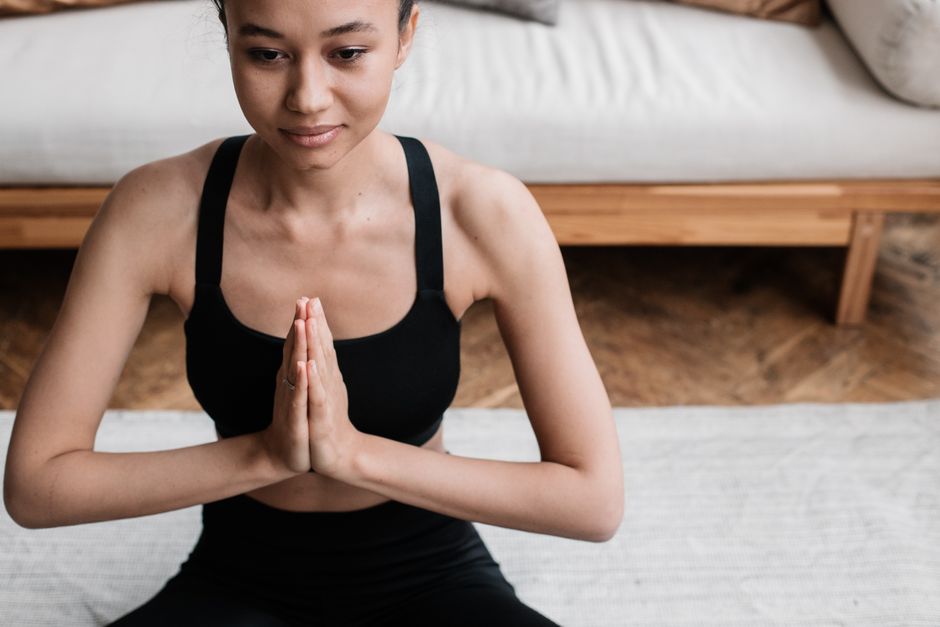
This is one of the simplest yet most effective mindfulness practices. Find a quiet spot, sit comfortably, and take deep breaths. Focus on the sensation of the air entering and leaving your body.
- Inhale deeply through your nose, hold for a few seconds, and exhale slowly through your mouth.
- Repeat for 5-10 minutes, allowing your mind to settle and your body to relax.
2. Body Scan Meditation
This technique helps you become more aware of physical sensations and release tension. Lying down or sitting comfortably, close your eyes and focus on each part of your body from head to toe.
- Notice any areas of tension or discomfort and breathe into them, visualizing the tension melting away.
- This practice can be particularly beneficial after a long day.
3. Mindful Walking
Walking is something we do every day, making it a perfect opportunity for mindfulness. As you walk, focus on the sensation of your feet touching the ground, the rhythm of your steps, and the environment around you.
- Be present with each step, and let go of any distractions.
- Mindful walking can be especially refreshing in the early morning or late afternoon.
4. Mindful Eating
Eating mindfully involves paying full attention to the experience of eating and drinking, both inside and outside the body.
- Observe the colors, smells, textures, flavors, and sounds of your food.
- Chew slowly and savor each bite, which can enhance digestion and satisfaction.
Integrating Mindfulness into Daily Life
To truly benefit from mindfulness, it's important to integrate these practices into your daily routine. Here are some tips to help you do just that:
Create a Mindfulness Schedule
Set aside time for mindfulness each day, even if it's just 10 minutes. Consistency is key to cultivating a habit.
Prioritize Mindful Activities
Incorporate mindfulness into everyday activities like brushing your teeth, taking a shower, or even washing dishes.
Use Mindful Reminders
Set reminders on your phone to take mindful breaks throughout the day, helping you return to the present moment.
Benefits of Mindfulness in Stress Management
Emotional Regulation
Mindfulness helps in recognizing and managing emotions effectively, reducing emotional reactivity, and promoting a more balanced mood.
Improved Focus
By honing your awareness, mindfulness can lead to better concentration and clarity of thought, which is beneficial in both personal and professional settings.
Enhanced Well-being
Regular mindfulness practice has been linked to improved mental health, including reduced symptoms of anxiety and depression.
Conclusion
Incorporating mindfulness into your daily life doesn't require a dramatic lifestyle change. By practicing mindfulness techniques regularly, you can manage stress more effectively and improve your overall well-being. Whether you're navigating a busy schedule or finding moments of peace in the midst of chaos, mindfulness is a versatile tool that can bring calm and clarity into your life.
Remember, mindfulness is a journey, not a destination. Start small, be patient with yourself, and enjoy the process of becoming more connected with each moment.