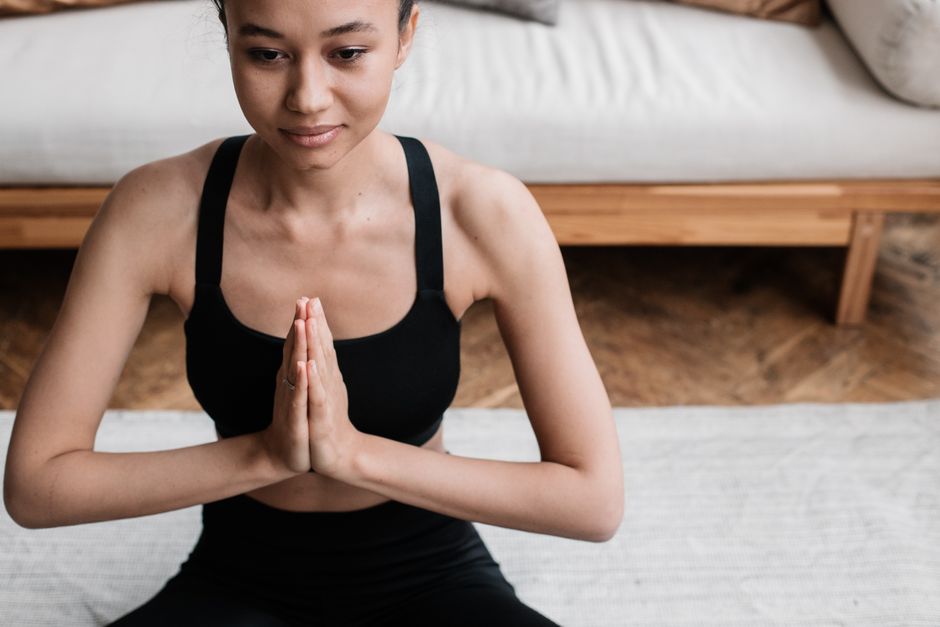
In today's fast-paced world, anxiety and stress seem to be constant companions. For many Nigerians, the bustling city life, financial pressures, and the ever-present hustle can exacerbate these feelings. However, mindfulness offers a beacon of hope, a way to anchor ourselves in the present and reduce the overwhelming tide of stress and anxiety.
Mindfulness, at its core, is about being present in the moment, fully engaged with whatever we're doing at the time. It's not about escaping reality but embracing it with a calm and non-judgmental focus. In this article, we'll explore various mindfulness techniques that can help reduce anxiety and stress, providing you with practical tips that can be easily incorporated into daily life.
Understanding Mindfulness
What is Mindfulness?
Mindfulness is a mental state achieved by focusing one's awareness on the present moment, while calmly acknowledging and accepting one's feelings, thoughts, and bodily sensations. It's a therapeutic technique designed to help manage stress, anxiety, depression, and other mental health issues.
Why Mindfulness Matters
Practicing mindfulness can lead to a myriad of benefits, such as improved concentration, emotional regulation, and a greater sense of well-being. It's not just about reducing stress, but also enhancing overall mental resilience.
"Mindfulness isn't difficult, we just need to remember to do it." – Sharon Salzberg
Practical Mindfulness Techniques
Breathing Exercises
One of the simplest yet most effective mindfulness techniques is controlled breathing. Deep, focused breaths can help calm the mind and reduce stress.
- 4-7-8 Breathing: Inhale for 4 seconds, hold the breath for 7 seconds, and exhale for 8 seconds. Repeat this cycle several times.
- Box Breathing: Inhale for 4 counts, hold for 4, exhale for 4, and hold the empty breath for 4. Repeat.
Body Scan Meditation
This technique involves mentally scanning your body for areas of tension and consciously relaxing them. It's a great practice to do before bed to promote relaxation and restful sleep.
- Lie down in a comfortable position.
- Focus on each part of your body from head to toe, noticing any tension or discomfort.
- As you exhale, imagine releasing the tension from each body part.
Incorporating Mindfulness into Daily Life
Mindful Eating
Eating mindfully involves paying full attention to the experience of eating and drinking, both inside and outside the body.
- Focus on the colors, smells, textures, and flavors of your food.
- Chew slowly, savoring each bite, and listen to your body's hunger and satiety cues.
Mindful Walking
Walking mindfully means being aware of each step and the sensations of walking itself. It's a great way to practice mindfulness while being active.
- Walk slowly and deliberately, paying attention to each foot's movement.
- Notice the sensation of your feet touching the ground and lift with awareness.
Overcoming Challenges in Mindfulness Practice
Common Obstacles
It's not uncommon to face challenges when starting a mindfulness practice. Here are a few and how to overcome them:
- Mind Wandering: Gently bring your focus back to your breath or current activity.
- Impatience: Remind yourself that mindfulness is a practice, not a perfection.
Staying Consistent
Regular practice is key to reaping the benefits of mindfulness. Set aside time each day, even if it's just 5-10 minutes, to practice.
"The best way to capture moments is to pay attention. This is how we cultivate mindfulness." – Jon Kabat-Zinn
Mindfulness and Nigerian Culture
Incorporating mindfulness into the Nigerian lifestyle can be both enriching and complementary. Traditional practices, like story-telling and communal gatherings, already emphasize being present and connected, aligning well with mindfulness principles.
Community Mindfulness Sessions
Engaging in group mindfulness activities can foster a sense of community and shared purpose. Consider organizing or joining local groups that focus on mindfulness practices.
Conclusion
Mindfulness is a powerful tool that, when practiced regularly, can significantly reduce anxiety and stress. By focusing on the present and embracing our experiences with openness and curiosity, we can cultivate a sense of peace and balance in our lives. Whether you're breathing deeply in a quiet moment or savoring each bite of a delicious jollof rice meal, mindfulness allows you to fully engage with life, one moment at a time.