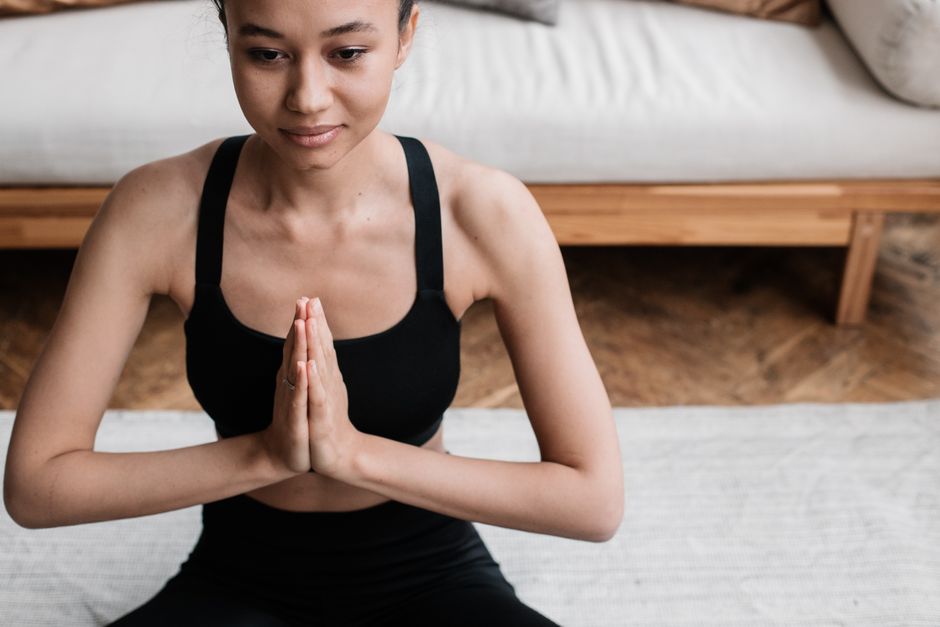
In today's fast-paced world, it's easy to feel overwhelmed by the demands of daily life. Whether it's work pressures, family responsibilities, or the constant buzz of social media, stress seems to be an unavoidable part of modern living. In Nigeria, where hustle culture is prevalent, many individuals find themselves on the edge, searching for ways to cope with stress and anxiety. Fortunately, mindfulness offers a practical solution to help manage these everyday challenges.
Mindfulness is more than just a buzzword; it's a powerful practice that can transform the way we handle stress and improve our overall well-being. By focusing on the present moment and cultivating awareness, mindfulness enables us to respond to stress more effectively and improve our mental health. Let's explore some mindfulness techniques that are particularly effective for managing stress in our busy Nigerian lives.
Understanding Mindfulness
Before diving into techniques, it's essential to understand what mindfulness truly means. At its core, mindfulness is about paying attention to the present moment without judgment. It involves being fully engaged with what we're doing, aware of our thoughts and feelings, and observing them without labeling them as good or bad.
The Science Behind Mindfulness
Research has shown that mindfulness can help reduce stress by changing the way our brain processes stress signals. It activates regions associated with attention and emotional regulation, which helps us respond to stress more calmly.
“Mindfulness is the art of bringing attention to the present moment with openness and curiosity.”
This practice can be particularly beneficial for Nigerians who often juggle multiple roles and responsibilities. By incorporating mindfulness into our daily routines, we can cultivate a sense of peace and focus amid chaos.
Mindfulness Techniques for Stress Management
1. Deep Breathing Exercises
Deep breathing is one of the simplest and most effective mindfulness techniques for stress relief. By focusing on your breath, you can bring your mind back to the present moment and reduce anxiety.
- Find a quiet space and sit comfortably.
- Close your eyes and take a deep breath in through your nose, filling your lungs.
- Hold your breath for a count of four, then slowly exhale through your mouth.
- Repeat this process for five minutes, focusing solely on your breath.
2. Body Scan Meditation
This technique involves paying attention to different parts of your body, from your head to your toes, to release tension and stress.
- Lie down in a comfortable position and close your eyes.
- Focus on your breathing for a few moments to center yourself.
- Slowly bring your attention to your feet, noticing any sensations.
- Gradually move your focus up your body, observing sensations without judgment.
- Continue this process until you've scanned your entire body.
Incorporating Mindfulness into Daily Life
Mindful Eating
Eating mindfully involves savoring each bite, paying attention to the flavors, textures, and aromas of your food. This practice not only enhances your dining experience but also helps you become more aware of your body's hunger cues, preventing overeating.
Mindful Walking
Walking mindfully can be a grounding practice, especially in the bustling streets of Nigerian cities. Focus on the sensation of your feet touching the ground, the rhythm of your steps, and the sights and sounds around you.
Overcoming Barriers to Mindfulness
While mindfulness is accessible to everyone, some individuals may encounter barriers such as time constraints or skepticism about its effectiveness. Here are ways to overcome these hurdles:
Making Time for Mindfulness
Many people believe they don't have time for mindfulness, but even a few minutes a day can make a difference. Consider incorporating mindfulness into your daily routine by practicing deep breathing during your commute or taking a few moments for a body scan before bed.
Addressing Skepticism
It's normal to be skeptical about practices that seem unfamiliar. However, numerous studies support the benefits of mindfulness for stress reduction. Consider starting with a brief guided meditation to experience its impact firsthand.
Conclusion
Mindfulness offers a practical and effective way to manage stress and improve mental health, particularly in the context of Nigeria's fast-paced environment. By incorporating these techniques into your daily routine, you can cultivate a greater sense of calm and resilience. Remember, mindfulness is a journey, not a destination. Start small, be patient with yourself, and enjoy the process of becoming more present in your life.