Mindfulness and meditation have become buzzwords in the realm of mental health, often used interchangeably, yet they hold distinct roles in promoting mental wellness. Imagine a bustling market in Lagos or the vibrant streets of Abuja. These environments can, at times, mirror the chaos within our own minds. Both mindfulness and meditation offer pathways to calm this internal noise, but which is the right fit for you?
In Nigeria, where balancing traditional values with modern demands is a daily challenge, understanding these practices can be a game-changer for mental health. This article seeks to demystify the differences and benefits of mindfulness and meditation, offering you a practical guide to decide which suits your lifestyle.
Understanding Mindfulness
What Is Mindfulness?
Mindfulness is the practice of being fully present in the moment, aware of where we are and what we're doing, without becoming overly reactive or overwhelmed by what's going on around us. It's like standing in the heart of a lively Nigerian market, noticing every sound, smell, and sight, yet maintaining an inner calm.
Benefits of Mindfulness
- Improves focus and concentration by anchoring the mind to the present moment.
- Reduces stress by breaking the cycle of worry and anxiety.
- Enhances emotional regulation, helping you respond rather than react impulsively.
Research from the University of Lagos shows that individuals practicing mindfulness reported lower levels of stress and higher levels of life satisfaction. This practice can be particularly beneficial for professionals in fast-paced environments or anyone looking to cultivate a habit of gratitude.
Common Mindfulness Techniques
One popular technique is the body scan, where you focus on each part of your body, from head to toe, acknowledging sensations without judgment. Alternatively, mindful eating, which involves savoring each bite of a meal, can transform mundane routines into meditative experiences.
Exploring Meditation
What Is Meditation?
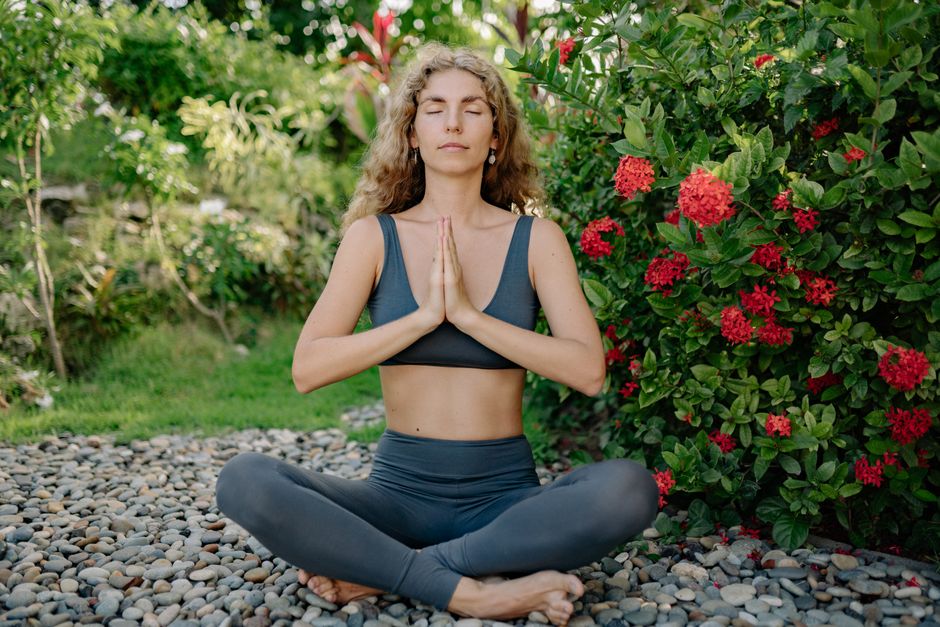
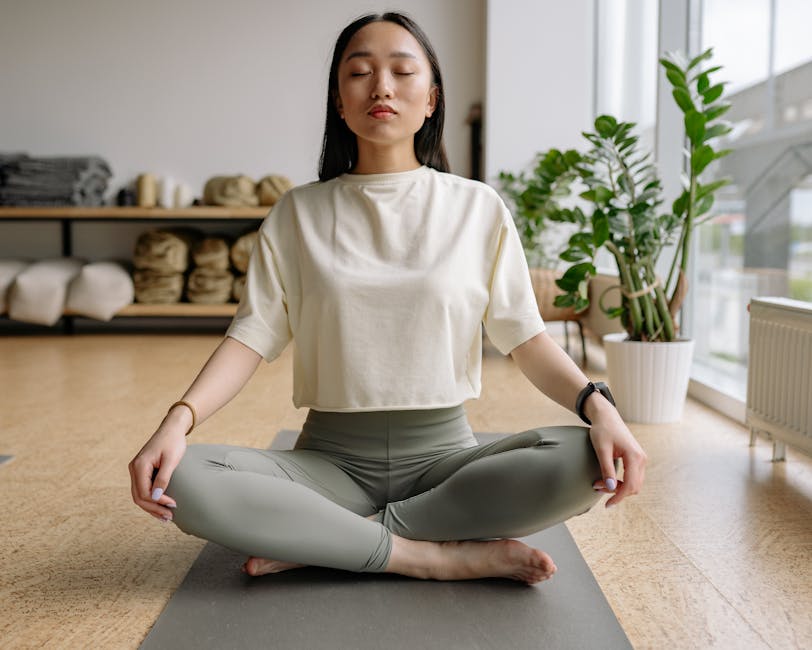
Meditation is a more formal practice that typically involves setting aside time to focus on something specific, such as your breath, a mantra, or a particular feeling. It's akin to carving out a quiet space amid the bustling streets of Lagos, where you can retreat and recharge.
Benefits of Meditation
- Promotes a deep sense of peace and relaxation.
- Enhances self-awareness and fosters a deeper understanding of the self.
- Encourages a more positive outlook on life, reducing symptoms of depression and anxiety.
According to research from Obafemi Awolowo University, meditation can significantly lower blood pressure and improve heart health, making it an excellent practice for those seeking both mental and physical well-being.
Types of Meditation Practices
Various forms of meditation exist, such as Transcendental Meditation, which involves silently repeating a specific mantra for 15-20 minutes twice a day, and Zen meditation, which emphasizes posture and breathing techniques to attain heightened awareness.
The Tradeoffs: Choosing Between Mindfulness and Meditation
Time Commitment
Mindfulness can be seamlessly integrated into daily activities, requiring no specific time set aside. You can practice it while commuting or during meals. Meditation, however, often requires a dedicated time slot and quiet environment, which might be challenging for someone with a hectic schedule.
Ease of Practice
Mindfulness is generally easier to adopt as it doesn't demand structured sessions. It can be as simple as focusing on your breathing while waiting in line. Meditation, on the other hand, might require guidance or training, especially in the beginning, to master specific techniques.
Long-term Benefits
Both practices offer long-term benefits, but the impact varies. Mindfulness is excellent for improving immediate focus and reducing daily stressors, while meditation is more powerful in achieving profound mental clarity and long-term emotional well-being.
Practical Tips for Getting Started
For Mindfulness
- Start with five minutes a day, focusing on your breath or surroundings.
- Use mindfulness apps like Headspace, which offers guided exercises tailored to beginners.
- Join local mindfulness groups or workshops in cities like Lagos or Abuja to foster community and support.
For Meditation
- Begin with short sessions, around 5-10 minutes, gradually increasing as you get more comfortable.
- Consider online courses or local meditation classes to learn different techniques and find what works best for you.
- Establish a quiet, dedicated space in your home, free from distractions, to practice meditation.
"The journey to mental wellness is personal and unique. Whether you choose mindfulness or meditation, prioritizing your mental health is the first step to a balanced life."
Conclusion
Deciding between mindfulness and meditation ultimately depends on your lifestyle, preferences, and mental health goals. Both offer unique benefits and can significantly contribute to your well-being. In the vibrant tapestry of Nigerian life, these practices can serve as anchors, providing peace and clarity amidst the hustle. So, explore, experiment, and find what resonates with you on your path to mental wellness.