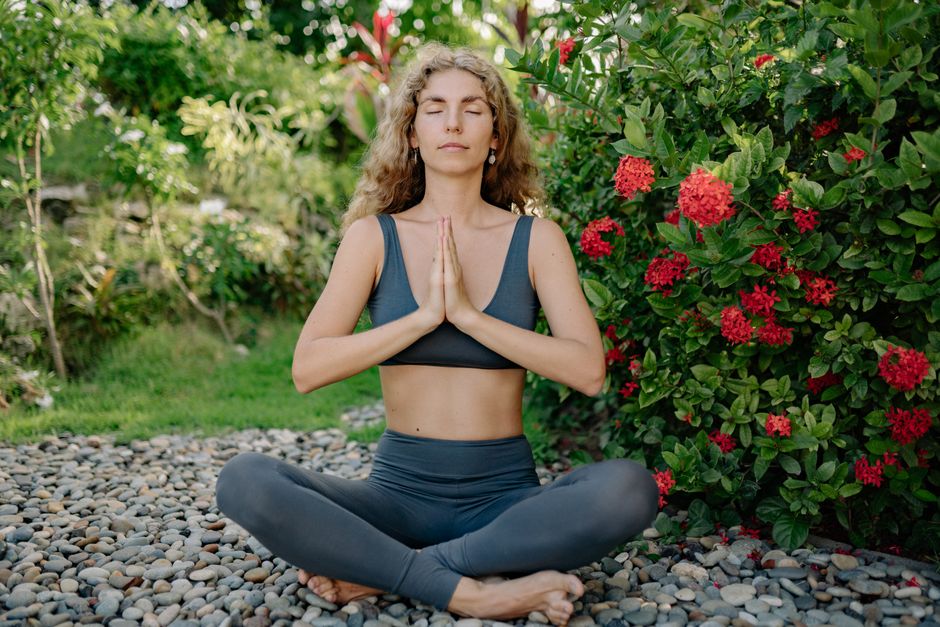
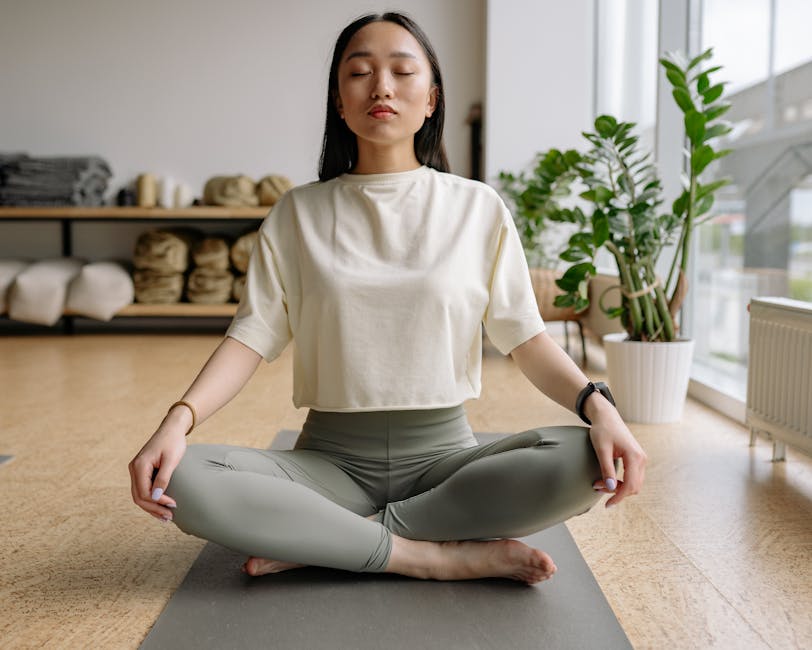
Meditation is a practice embraced by many for its mental health benefits. However, the approach to meditation can vary greatly depending on one's experience level. Whether you're new to meditation or have been practicing for years, understanding these differences can significantly enhance your journey towards mental wellness.
For beginners, meditation might seem daunting or intimidating. It’s common to feel restless or unsure about what to do. The key is to start small and be patient with yourself. Seasoned meditators, on the other hand, often strive for deeper experiences, exploring advanced techniques that demand more focus and discipline.
This article delves into how meditation practices differ between beginners and more experienced practitioners, offering practical advice tailored to each stage.
Getting Started with Meditation
Setting Realistic Expectations
For beginners, it’s crucial to set realistic expectations. Meditation is not about emptying your mind completely, but rather about becoming aware of your thoughts and emotions.
- Beginner Tip: Start with short sessions. Even five minutes can be beneficial.
- Advanced Tip: Gradually increase your session times to deepen your practice.
Choosing the Right Environment
The environment plays a significant role in the effectiveness of meditation. A quiet, comfortable space is ideal.
- Beginner Tip: Find a dedicated spot in your home where you won't be disturbed.
- Advanced Tip: Experiment with meditating in different environments to challenge your focus.
Techniques for Beginners and Veterans
Focusing on the Breath
Breath-focused meditation is a common technique for beginners. It helps center your mind and reduces anxiety.
- Beginner Tip: Count your breaths to maintain focus.
- Advanced Tip: Practice mindful breathing without counting, simply observing your breath's natural rhythm.
Exploring Mindfulness
Mindfulness involves being present and fully engaged with the current moment.
- Beginner Tip: Use guided mindfulness meditations to learn the basics.
- Advanced Tip: Incorporate mindfulness into daily activities, such as eating or walking.
Overcoming Challenges
Handling Distractions
Distractions are a common hurdle in meditation that can affect practitioners at any stage.
- Beginner Tip: Don't judge yourself for getting distracted; gently bring your attention back to your breath.
- Advanced Tip: Use distractions as a tool to practice returning your focus to the present.
Maintaining Consistency
Consistency is key to reaping the benefits of meditation over time.
- Beginner Tip: Set a regular meditation schedule to build a habit.
- Advanced Tip: Challenge yourself with longer sessions and explore varied techniques to avoid plateauing.
Exploring Advanced Techniques
Deepening Your Practice
As one becomes more experienced, exploring advanced techniques can deepen the meditation experience.
- Advanced Tip: Try transcendental meditation or Zen meditation for a new challenge.
Incorporating Technology
Technology can enhance meditation practices with tools and apps designed for seasoned practitioners.
- Advanced Tip: Use advanced meditation apps like Insight Timer to explore guided sessions and track your progress.
“Meditation is not a means to an end. It is both the means and the end.” – Jiddu Krishnamurti
Final Thoughts
Whether you're just starting out or you've been on a meditation journey for years, there's always room to grow and refine your practice. Beginners should focus on building a solid foundation with simple techniques, while more experienced practitioners can explore advanced methods to deepen their self-awareness and mental resilience. Remember, meditation is a personal journey that evolves with you, and finding what works best for you is key to unlocking its full potential.