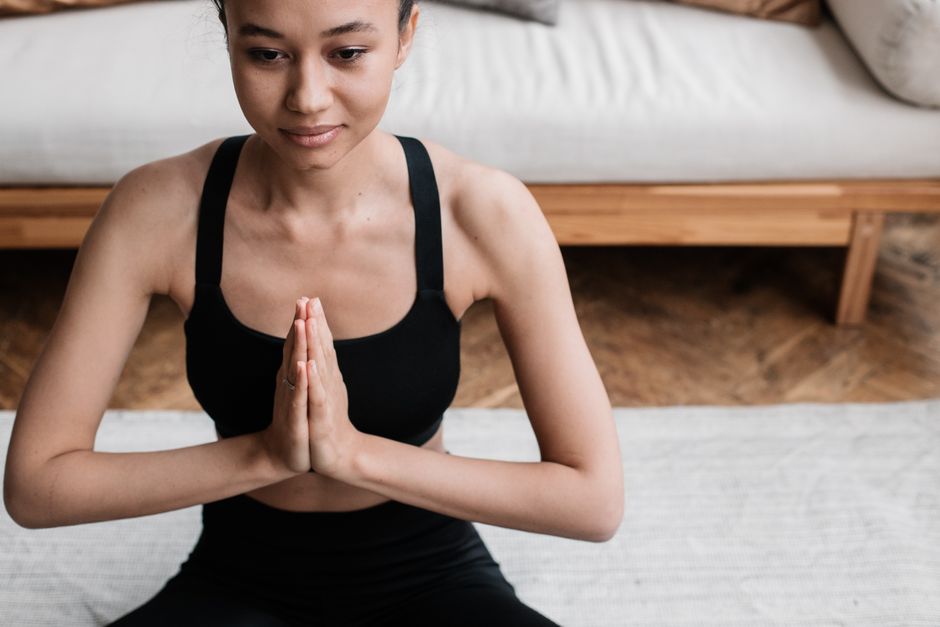
In the bustling cities of Nigeria, where the hustle and bustle never seem to end, anxiety can creep up on even the most resilient individuals. Whether it's the relentless traffic in Lagos or the demanding expectations at work, stress is a common companion. But what if there was a way to find peace amidst the chaos? Mindfulness offers a beacon of hope, a practical tool to navigate the daily stresses and anxieties that life throws our way.
Mindfulness isn't just about meditation; it's a way of living that can transform how you experience the world. By focusing on the present moment, mindfulness allows you to break free from the chains of anxiety that bind you to the past or future. This article will explore practical mindfulness techniques that can be seamlessly integrated into your daily life, helping you foster a sense of calm and clarity.
Join us as we delve into these techniques, tailored for the Nigerian experience, offering you tools to enhance your mental well-being and find tranquility amidst the storms of life.
Understanding Mindfulness and Its Benefits
Before diving into the techniques, it’s essential to understand what mindfulness truly means. Think of it as the art of being present, fully engaged in the moment without judgment. It's about acknowledging your thoughts and feelings without getting swept away by them.
The Science Behind Mindfulness
Research shows that practicing mindfulness can lead to measurable changes in the brain. It strengthens areas related to attention, emotional regulation, and mental flexibility.
"Mindfulness is a mental state achieved by focusing one's awareness on the present moment."
By incorporating mindfulness into your routine, you can reduce stress, enhance emotional intelligence, and improve overall well-being.
Benefits for Nigerian Individuals
In Nigeria, where societal pressures and economic challenges are a reality, mindfulness offers a way to cope with daily stressors. It can enhance focus, improve decision-making, and boost resilience.
- Stress Reduction: Mindfulness helps lower cortisol levels, the body's primary stress hormone.
- Improved Concentration: Regular practice heightens attention and focus, crucial for both students and professionals.
- Emotional Balance: Being mindful allows you to process emotions healthily, reducing the risk of depression and anxiety.
Simple Mindfulness Techniques to Try
Now that we have a foundation, let's explore some practical mindfulness techniques you can integrate into your daily life:
Mindful Breathing
One of the simplest ways to start practicing mindfulness is through mindful breathing. This technique can be done anywhere, anytime.
- Find a Quiet Space: Sit comfortably and close your eyes.
- Focus on Your Breath: Pay attention to the natural rhythm of your breathing.
- Stay Present: If your mind wanders, gently bring your focus back to your breath.
Body Scan Meditation
This technique involves paying attention to different parts of your body, from head to toe, promoting relaxation and body awareness.
Start by lying down comfortably. Close your eyes and take a few deep breaths. Focus on each part of your body, starting from your toes, moving upward to your head.
Mindful Eating
Eating mindfully can transform your relationship with food and improve digestion.
"When you eat, appreciate the flavors, textures, and aromas of your food."
Take small bites and chew slowly, savoring each mouthful. This practice encourages gratitude and can help curb overeating.
Incorporating Mindfulness into Your Daily Life
Mindfulness isn't limited to meditation; it's a way of living. Here’s how you can incorporate it into your everyday routine:
Start Your Day with Intention
Begin each morning with a moment of mindfulness. Set a positive intention for the day, focusing on gratitude and positivity.
- Morning Reflection: Spend a few minutes in quiet contemplation, setting your goals and intentions.
- Gratitude Journaling: Write down three things you're grateful for each morning.
Mindful Commuting
Whether you're in the bustling streets of Abuja or the serene landscapes of Ogun, commuting provides an excellent opportunity to practice mindfulness.
Instead of getting frustrated with traffic, use this time to focus on your surroundings. Pay attention to the sights and sounds, acknowledging them without judgment.
Mindful Interactions
Apply mindfulness in your interactions with others to foster healthier relationships.
Listen actively, without interrupting. Respond thoughtfully, rather than reacting impulsively. This practice enhances empathy and understanding.
Overcoming Challenges in Practicing Mindfulness
Like any new habit, practicing mindfulness can come with its challenges. Here’s how to overcome common obstacles:
Making Time for Mindfulness
In our fast-paced world, time is a luxury. However, integrating short mindfulness sessions into your day can make a significant difference.
"Set aside just 5-10 minutes a day to practice mindfulness and gradually increase this time."
Dealing with Distractions
It's natural for your mind to wander. When it does, gently bring your focus back to the present moment. Over time, this will become easier.
Limit distractions by creating a dedicated space for mindfulness practice, free from interruptions.
Conclusion
Mindfulness is a powerful tool for managing anxiety and stress, offering a pathway to inner peace amidst Nigeria's vibrant, yet often stressful, environment. By incorporating these simple techniques into your daily routine, you can enhance your mental well-being and foster a deeper connection with yourself and the world around you.
Remember, mindfulness is a journey, not a destination. Start small, be patient with yourself, and enjoy the transformative benefits of living mindfully.