In today's fast-paced world, anxiety has become a common companion for many Nigerians. Whether it's the pressure of work, the hustle and bustle of Lagos traffic, or familial expectations, stressors abound. But acknowledging anxiety is the first step to managing it effectively. In this article, we will explore practical strategies to manage anxiety, specifically tailored for the Nigerian context. We'll delve into mindfulness practices, diet and lifestyle changes, and professional support options, making it easier for you to regain control.
Understanding anxiety is crucial to tackling it. It's not just a feeling of nervousness or unease; it can manifest physically, emotionally, and mentally, impacting overall well-being. The good news is that with the right strategies, you can significantly reduce its hold on your life.
Understanding Anxiety and Its Impact
Anxiety is a natural response to stress, but when it becomes overwhelming, it can interfere with daily life. In Nigeria, where communal living is common, anxiety can often go unnoticed or undiscussed. It's important to identify its symptoms early.
Common Symptoms of Anxiety
- Persistent worry or fear
- Restlessness and agitation
- Difficulty concentrating
- Increased heart rate
- Sweating or trembling
Recognizing these symptoms is the first step. Once you identify them, you can begin to address them effectively.
Anxiety is not a sign of weakness; it's a sign of being human. Recognizing it is the first step towards growth and healing.
The Cultural Perspective on Anxiety
In Nigeria, mental health issues like anxiety are often stigmatized. This can prevent individuals from seeking help. By understanding this cultural context, we can encourage more open conversations about mental health.
Mindfulness Techniques to Alleviate Anxiety
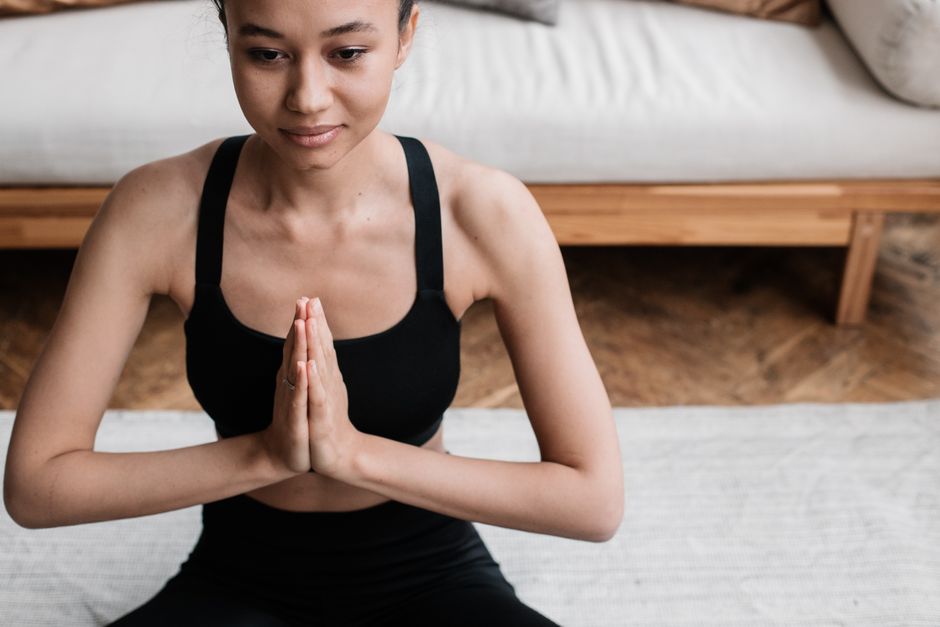
Mindfulness is a powerful tool against anxiety. By focusing on the present moment, we can detach from overwhelming thoughts and emotions.
Breathing Exercises
Simple breathing exercises can work wonders. Try the 4-7-8 method: inhale for 4 seconds, hold for 7, and exhale for 8. Practicing this regularly can help calm your mind.
Guided Meditation
Guided meditations are widely available online. Platforms like YouTube offer sessions tailored to different needs. Even a short 5-minute session can help refocus your thoughts.
- Explore apps like Headspace or Calm for easy access to guided meditations.
- Join local community groups that offer mindfulness classes.
Lifestyle Adjustments for Better Mental Health
Your lifestyle choices can significantly influence anxiety levels. Small changes can make a big difference.
Healthy Eating Habits
A balanced diet rich in fruits, vegetables, and whole grains supports mental well-being. Foods like plantain, beans, and okra are not only delicious but also nourishing for the mind.
Regular Physical Activity
Exercise releases endorphins, which act as natural mood lifters. Whether it's a walk in the park or a dance class, find what you enjoy and make it a habit.
Seeking Professional Support
Sometimes, the best course of action is to seek professional help. Therapists and counselors can provide tailored strategies to manage anxiety.
Finding the Right Therapist
Look for registered professionals who specialize in anxiety disorders. The internet is a great resource, and many offer online sessions for convenience.
Benefits of Group Therapy
Group therapy offers a supportive environment where you can share experiences and learn from others. Consider joining a local support group to connect with those facing similar challenges.
Conclusion
Anxiety doesn't have to control your life. By understanding its roots, employing mindfulness techniques, making lifestyle adjustments, and seeking professional support, you can reclaim your peace of mind. Remember, you're not alone, and help is always available.