In the fast-paced environment of Nigeria, stress is an inescapable part of life, whether it's dealing with the infamous Lagos traffic, managing business deadlines, or balancing family responsibilities. Understanding and managing stress is crucial to maintaining mental wellness. That's why today, we're diving deep into practical stress management techniques designed specifically for Nigerians. These strategies are not only effective but are also easy to integrate into your daily routine, helping you navigate life's challenges with greater ease.
Stress, if not managed properly, can lead to various health issues, both mental and physical. It's important to identify stressors and adopt coping mechanisms that work for you. So, let's explore how you can turn stress from a formidable foe into a manageable companion.
Understanding Stress and Its Impact
What is Stress?
Stress is your body's natural response to any demand or threat. When you feel threatened, your body releases stress hormones like adrenaline and cortisol, which prepare you to deal with the situation. This is known as the "fight-or-flight" response.
The Effects of Stress on Mental Health
Chronic stress can lead to anxiety, depression, and other mental health problems. It can also exacerbate existing issues, making it crucial to address stress proactively.
"Stress is a silent killer. By managing it effectively, you can improve your quality of life significantly."
Identifying Your Stress Triggers
Common Stressors in Nigerian Life
Every country's culture and environment present unique stressors. In Nigeria, common stressors include:
- Traffic congestion
- Economic pressures
- High workloads
- Family expectations
How to Identify Your Personal Triggers
Start by keeping a stress journal. Note down situations that cause stress, your response, and how you felt. This will help you identify patterns and triggers specific to you.
Effective Stress Management Techniques
Practicing Mindfulness and Meditation
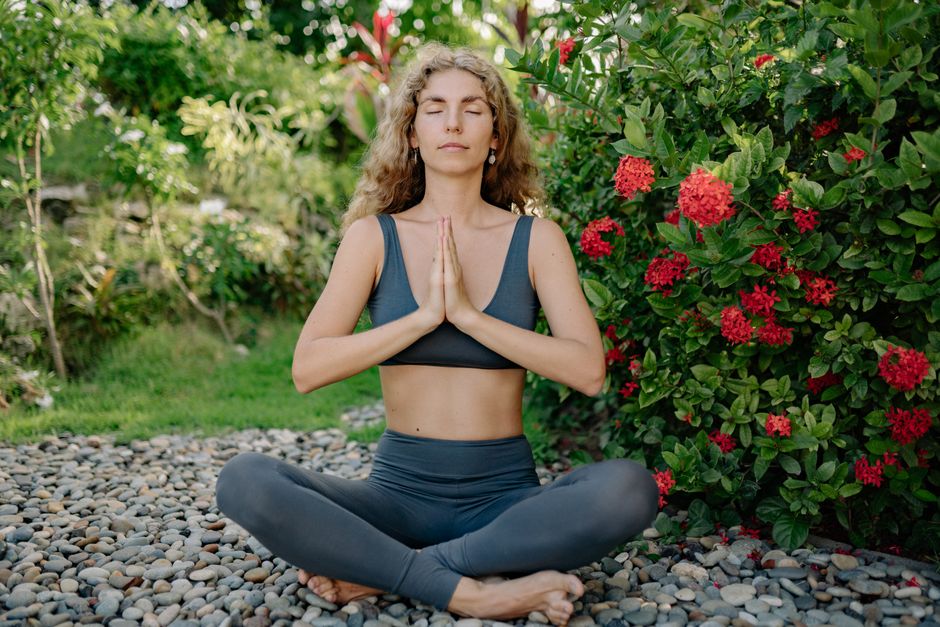
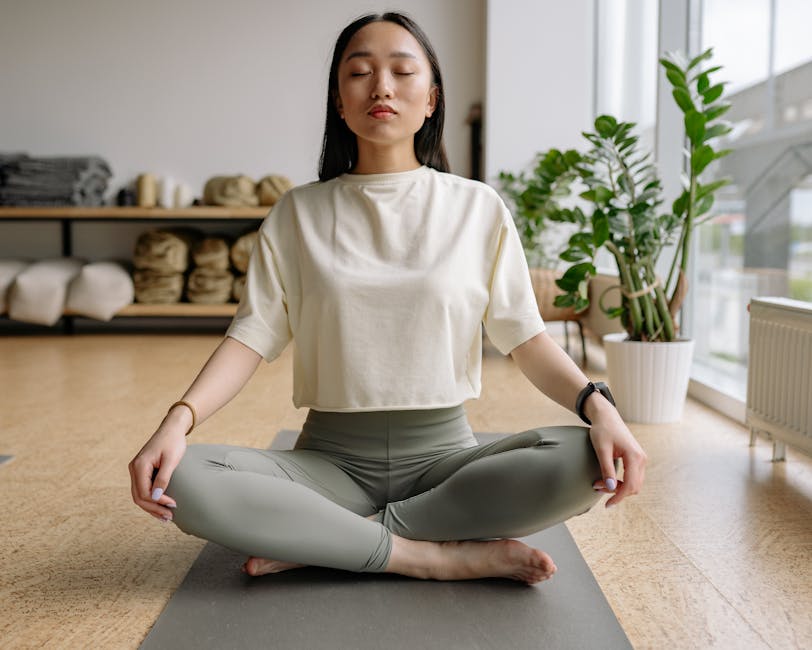
Mindfulness involves focusing on the present moment without judgment. Meditation can help calm the mind and reduce stress.
- Set aside 10-15 minutes each day for meditation.
- Use apps or online resources to guide your practice.
Physical Activity and Exercise
Regular physical activity helps reduce stress hormones and increases endorphins, which are natural mood lifters.
- Incorporate exercises like jogging, dancing, or playing football.
- Join a local gym or community sports group.
Healthy Eating Habits
Your diet can significantly impact your stress levels. Opt for a balanced diet rich in fruits, vegetables, and lean proteins.
- Avoid excessive caffeine and sugar.
- Drink plenty of water to stay hydrated.
Building a Strong Support System
The Role of Family and Friends
A strong support system can provide emotional comfort and practical assistance during stressful times.
Share your feelings with trusted friends or family members who can offer a listening ear and advice.
Professional Help
Don't hesitate to seek professional help if stress becomes overwhelming. Therapists and counselors can offer strategies tailored to your needs.
"Seeking help is a sign of strength, not weakness. Professional guidance can make a significant difference."
Self-Care and Relaxation Techniques
Importance of Self-Care
Self-care involves taking time to nurture your mental, emotional, and physical well-being.
- Engage in activities that bring you joy, such as reading, cooking, or gardening.
- Ensure you get adequate sleep each night.
Relaxation Techniques
Incorporate relaxation techniques into your daily routine to manage stress effectively.
- Practice deep breathing exercises.
- Try yoga or stretching exercises.
Conclusion
Stress management is an ongoing process that requires consistent effort. By understanding your stressors and adopting effective strategies, you can enhance your mental health and overall well-being. Remember, it's about finding what works best for you and making small, sustainable changes. Embrace these techniques and transform stress into a stepping stone for personal growth and resilience.