Mental health is an essential aspect of overall well-being, yet it often takes a back seat in our daily lives. In Nigeria, where mental health awareness is steadily growing, choosing the right approach to manage stress, anxiety, and depression can be a daunting task. Two popular options that many consider are therapy and meditation. Both have their merits, but they differ significantly in approach and benefits.
Therapy, particularly cognitive-behavioral therapy (CBT), is a structured approach that involves talking with a mental health professional to address dysfunctional emotions and thoughts. On the other hand, meditation is a more introspective practice that involves focused attention and mindfulness to achieve a mentally clear and emotionally calm state.
Let's delve into what each of these options entails, the benefits they offer, and the tradeoffs you might face when choosing one over the other.
Understanding Therapy: An In-Depth Approach
What Therapy Offers
Therapy provides a safe space to explore your emotions and thought patterns with a qualified therapist. It is particularly effective for those dealing with severe mental health issues such as depression, PTSD, or bipolar disorder.
- Structured Methodology: Therapy sessions are typically structured with a clear goal in mind, which can help track progress over time.
- Professional Guidance: Therapists are trained to identify patterns and provide techniques to manage mental health symptoms effectively.
- Confidentiality: Sessions are private, offering a secure environment to discuss personal issues.
Challenges and Considerations
While therapy is beneficial, it is not without its challenges. It requires a time commitment, can be costly, and sometimes involves a waiting period to find the right therapist.
"Therapy is an investment in your mental health, but it requires commitment and openness to change."
Exploring Meditation: The Path to Mindfulness
Benefits of Meditation
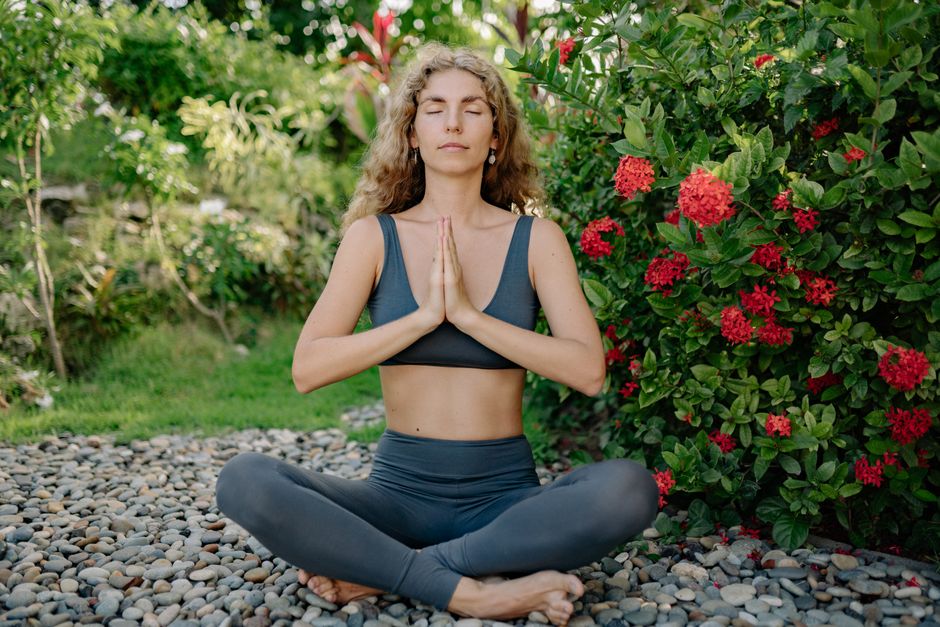
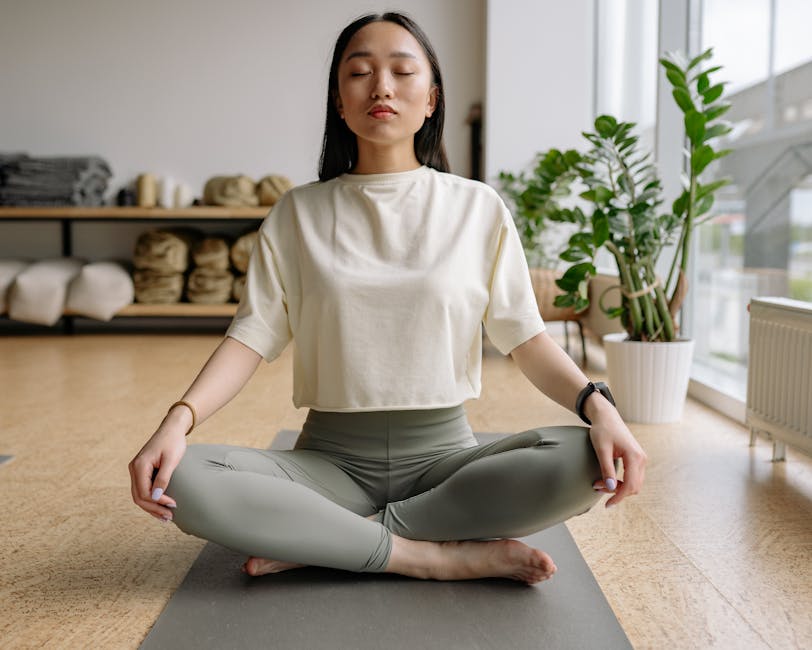
Meditation is a self-directed practice that promotes relaxation and heightened awareness. It has been shown to reduce stress and improve overall emotional health.
- Accessibility: Meditation requires no special equipment and can be practiced anywhere, making it highly accessible.
- Cost-Effective: Many meditation techniques are free to learn, often through online resources or community classes.
- Flexibility: It can be adapted to fit any schedule, from a quick 5-minute breather to a deep hour-long session.
Potential Drawbacks
However, meditation is not a one-size-fits-all solution. For those with severe mental health issues, it might not offer the depth of support that therapy provides.
"Meditation offers a path to self-discovery, but it requires patience and practice to master."
Therapy vs. Meditation: The Tradeoffs
Accessibility and Cost
When comparing therapy and meditation, accessibility and cost are significant factors. Therapy often involves ongoing sessions with a professional, which can be expensive and require travel or time off work. In contrast, meditation is free and can be practiced at home.
Depth of Support
Therapy offers profound insights into personal behavior and emotions. This level of support is crucial for those with complex mental health challenges. Meditation, while beneficial for managing stress, might not address deeper issues without additional guidance.
Time Commitment
Both options require a time investment. Therapy typically involves regular sessions over weeks or months, while meditation can be more flexible but still demands regular practice for meaningful results.
Deciding What Works Best for You
Assessing Your Needs
Consider your mental health needs and lifestyle when choosing between therapy and meditation. If you're dealing with severe mental health issues, therapy might be the appropriate choice. If you're looking to manage stress or improve emotional well-being, meditation could be a valuable tool.
Combining Both Practices
For many, a combination of therapy and meditation can offer a balanced approach to mental health. While therapy addresses deeper psychological issues, meditation can enhance mindfulness and reduce stress.
"Combining therapy with meditation can provide comprehensive support for mental well-being."
Conclusion
Ultimately, the choice between therapy and meditation depends on individual needs and circumstances. Both have proven benefits and can complement each other effectively. As mental health awareness continues to grow in Nigeria, understanding these options and their tradeoffs empowers individuals to make informed decisions for their mental well-being.