About two years ago, I hit a wall. Not a literal one, of course, but an emotional burnout that left me feeling helpless and overwhelmed. If I could go back, there are several things I'd do differently. The lessons I learned the hard way might just help you avoid the same pitfalls.
Emotional burnout isn't just stress. It's a state of chronic mental, physical, and emotional exhaustion, often caused by prolonged stress. My own experience was the result of constantly pushing myself at work without pause, and it manifested in ways I never expected. Here's what I would do differently now.
Recognizing the Early Signs
Listen to Your Body
The first mistake I made was ignoring the physical signs. When you're feeling perpetually tired, experiencing headaches, or dealing with unexplained aches, your body is trying to tell you something. I brushed these off as minor inconveniences. In Nigeria, where the hustle culture is prevalent, it's easy to dismiss these symptoms. But I should have listened.
Mental Clues
Mentally, I was constantly on edge. I found myself snapping at colleagues and family members over trivial issues. These were clear signs of emotional burnout that I failed to acknowledge. Recognizing such mental clues early can prevent the situation from worsening.
Setting Healthy Boundaries
Understanding Limits
One of my biggest regrets was not setting clear boundaries at work. I often took on more than I could handle, thinking it would propel my career forward. In retrospect, understanding and acknowledging my limits would have saved me from a lot of stress.
Learning to Say No
Saying no was something I struggled with. It's not about being uncooperative; it's about preserving your mental health. By setting boundaries with friends, family, and colleagues, I could have protected my emotional well-being better.
Incorporating Rest and Relaxation
Prioritizing Breaks
During the height of my burnout, I rarely took breaks. I believed constant work was the only path to success. This couldn't have been further from the truth. Regular breaks are essential for mental recovery and can significantly enhance productivity.
Embracing Hobbies
Engaging in activities outside of work is something I would have prioritized more. Whether it's reading, gardening, or exploring the vibrant arts scene in Lagos, hobbies are crucial for mental respite.
Seeking Professional Help
Therapy as a Tool
Initially, I underestimated the power of therapy. Talking to a professional can provide insights and coping strategies that are incredibly valuable. It's not just for when things hit rock bottom but can be a preventive measure as well.
Support Groups
Joining a support group can be another effective way to manage burnout. Sharing experiences with others in a similar situation can provide comfort and practical advice.
Adopting a Holistic Approach to Wellness
Physical Activity
Exercise was something I often neglected. Establishing a routine, even a simple one like morning jogs, can greatly improve mental health. Physical activity releases endorphins, reducing stress and boosting mood.
Mindfulness and Meditation
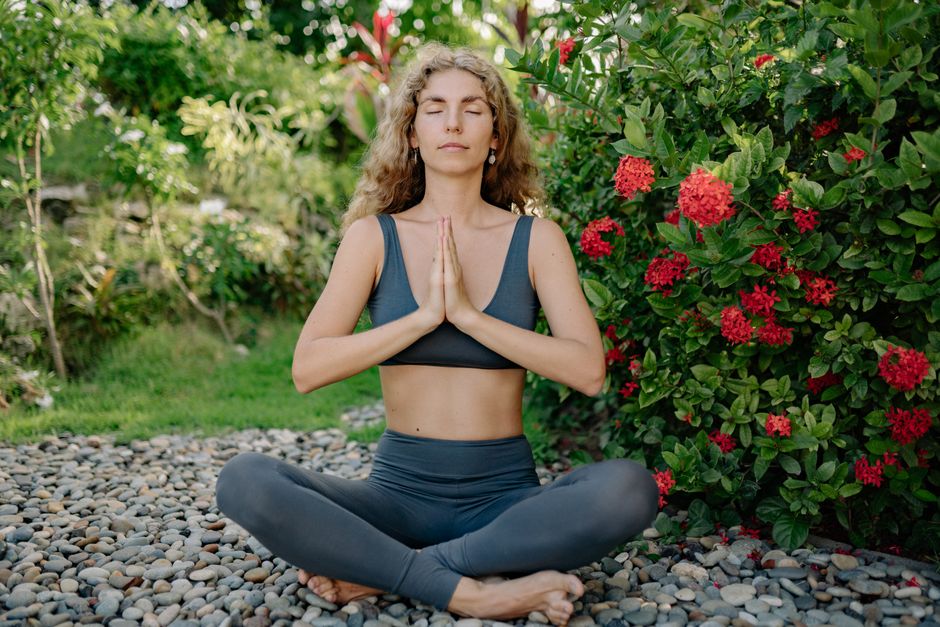
Incorporating mindfulness practices and meditation into my daily routine is something I wish I had done earlier. These techniques train the mind to focus and reduce anxiety, helping to manage stress effectively.
"Burnout is not a sign of failure; it's a sign that something needs to change." - Unknown
Conclusion
If I could rewind time, I'd approach emotional burnout with more awareness and preemptive care. The lessons from my past experiences have shaped my current approach to mental health. It's about recognizing signs early, setting boundaries, and embracing a balanced lifestyle. For anyone battling burnout, remember: it's okay to pause, reflect, and adjust your path. Your mental health is worth it.