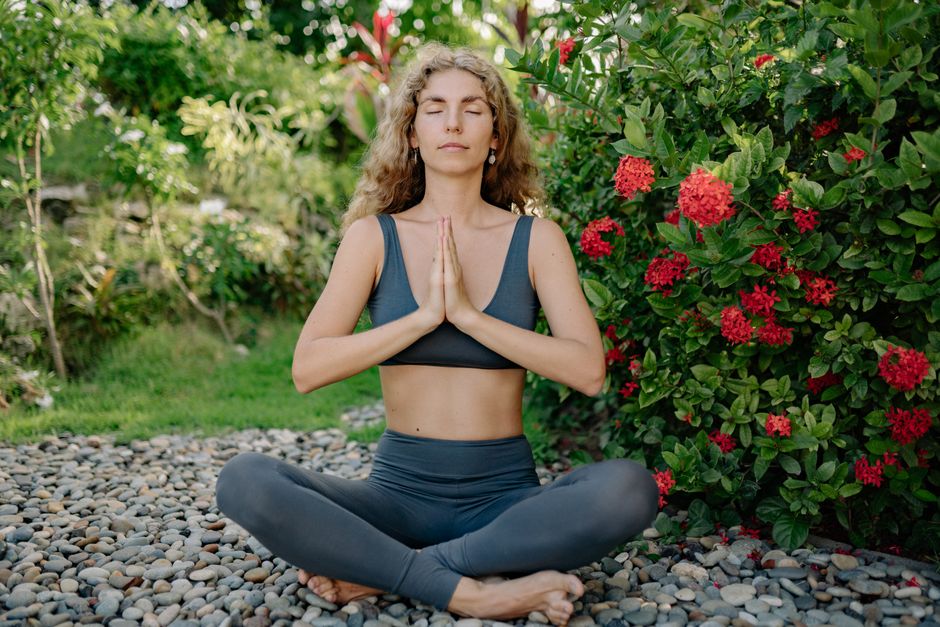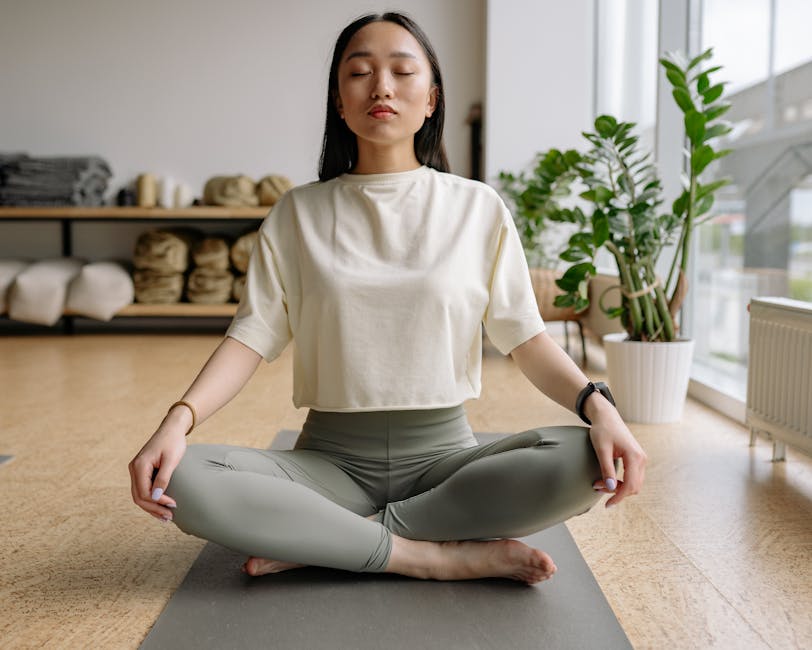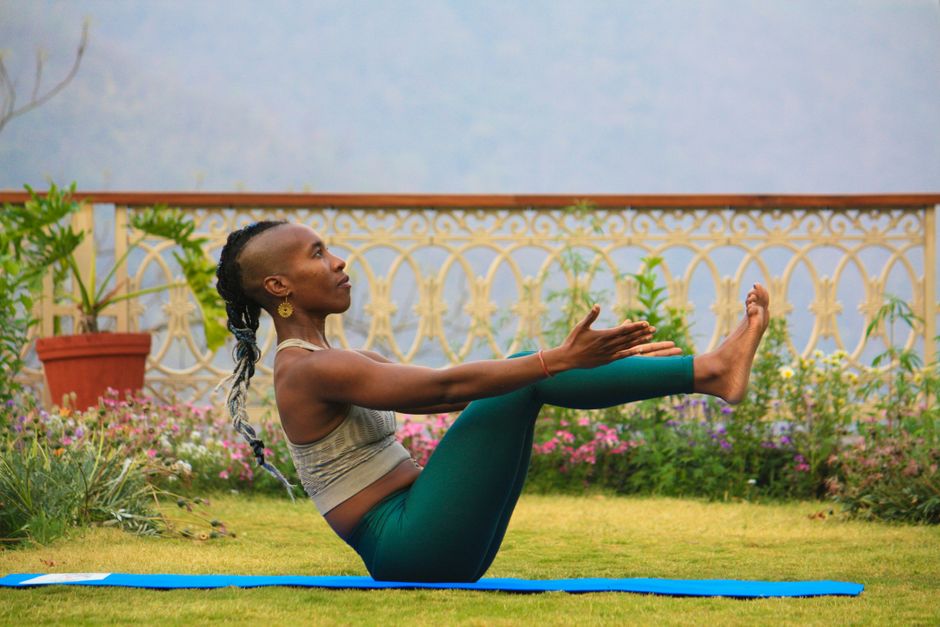
Amidst the vibrant bustle of Nigerian cities like Lagos and Abuja, the search for mental peace can feel overwhelming. With stress levels often soaring, many are turning to practices like yoga and meditation to find solace. But which one truly caters to your mental health needs? This article delves into the practical differences between yoga and meditation, helping you choose the best path for your mental wellness journey.
While both yoga and meditation aim to enhance mental well-being, they offer distinct approaches and benefits. Yoga, an ancient practice originating from India, combines physical postures, breathing exercises, and meditation. It's a holistic approach that targets both the mind and body. On the other hand, meditation is primarily focused on the mind, offering techniques to quiet the noise within and achieve clarity.
Understanding the tradeoffs between these two can help you harness the right practice for your needs. Whether you're looking to improve concentration, reduce stress, or boost mood, this comparison will guide you through the decision-making process.
Benefits of Yoga for Mental Health
Physical Movement and Mental Clarity
One of the standout aspects of yoga is its combination of physical movement and mental focus. Physical postures, known as asanas, encourage the release of endorphins, which can improve mood. The movements also promote flexibility and strength, which can contribute to overall well-being.
Moreover, yoga sessions often include a meditative component, blending the mind-body connection. Studies have shown that combining physical activity with mental focus can reduce symptoms of anxiety and depression.
"Yoga's blend of movement and mindfulness can act as a natural stress reliever," says Dr. Adebayo, a Lagos-based wellness expert.
Breath Control and Relaxation
Pranayama, or breath control, is another core component of yoga. This practice helps regulate the breath, reducing stress and inducing relaxation. Techniques like alternate nostril breathing have been found to calm the nervous system and enhance concentration.
- Improves lung function and respiratory health
- Promotes relaxation and reduces stress
- Can be practiced anywhere, even during a busy day in Lagos
Advantages of Meditation for Mindfulness
Mental Focus and Emotional Stability
Meditation primarily focuses on cultivating a deep sense of mental clarity. By focusing on a single point of attention, such as the breath or a mantra, meditation practitioners can escape the clutter of the mind. This focus can lead to emotional stability and improved concentration.
Research indicates that regular meditation can result in structural changes in the brain, enhancing areas related to attention and emotional regulation.
"Meditation is about finding peace within the chaos. It's about centering yourself," shares Funmi, a meditation coach from Abuja.
Stress Reduction and Emotional Resilience
Meditation is widely recognized for its stress-reduction capabilities. Techniques like mindfulness meditation help practitioners stay present, reducing anxiety about the future or regrets about the past.
- Enhances self-awareness and introspection
- Can be done in short sessions, making it accessible for busy schedules
- No equipment required, just a quiet space
Tradeoffs Between Yoga and Meditation
"While both practices offer mental health benefits, your personal goals should guide your choice," advises Dr. Chioma, a wellness psychologist.
Time Commitment and Convenience
Yoga classes often require a significant time commitment, with sessions typically lasting an hour or more. This can be challenging in a bustling life, especially in urban areas. Meditation, however, can be practiced in shorter intervals, making it more adaptable to busy lifestyles.
Consider your daily schedule. If you have limited time, meditation might be more feasible. But if you're seeking a full-body routine, yoga could be worth the effort.
Accessibility and Learning Curve
Yoga requires more guidance initially, as proper technique is crucial to avoid injury. Finding a qualified instructor is important. In contrast, meditation is more accessible, with numerous apps and online resources available to guide beginners.
Weigh your comfort with learning new physical skills against the ease of mental exercises. Both have their own learning curves, but one might align better with your personal preferences.
Final Thoughts
Both yoga and meditation offer significant mental health benefits. The choice between the two hinges on your lifestyle, goals, and personal preferences. If you thrive on physical activity and enjoy structured classes, yoga might be your perfect fit. But if you're seeking a quick mental refresh and prefer solo practices, meditation could be the better option.
Ultimately, the best approach may be to integrate both into your routine. Experiment with each, see what resonates most with you, and tailor your practice to suit your mental health journey. Remember, mental peace isn't a one-size-fits-all solution, and understanding your unique needs is the first step towards achieving tranquility.