Imagine a bustling Monday morning in Lagos, the city vibrantly alive yet somewhat overwhelming. As you navigate the busy streets, you might find yourself yearning for a moment of peace. This longing for tranquility is a common experience, especially in today's fast-paced world. Two popular avenues to achieve mental wellness are yoga and meditation. While both practices promise calm and inner peace, they are not one-size-fits-all solutions. Choosing between yoga and meditation depends on personal preferences, lifestyle, and the specific benefits you're seeking. This article explores the tradeoffs between yoga and meditation to help you decide which path might better suit your mental health journey.
For many Nigerians, finding time for self-care is a challenge. However, both yoga and meditation offer unique approaches to nurturing mental health. Yoga combines physical postures, breathing techniques, and meditation to promote a holistic sense of well-being. On the other hand, meditation focuses primarily on mental discipline, using techniques like mindfulness, concentration, and contemplation to achieve mental clarity.
The Core Differences
Physical Engagement
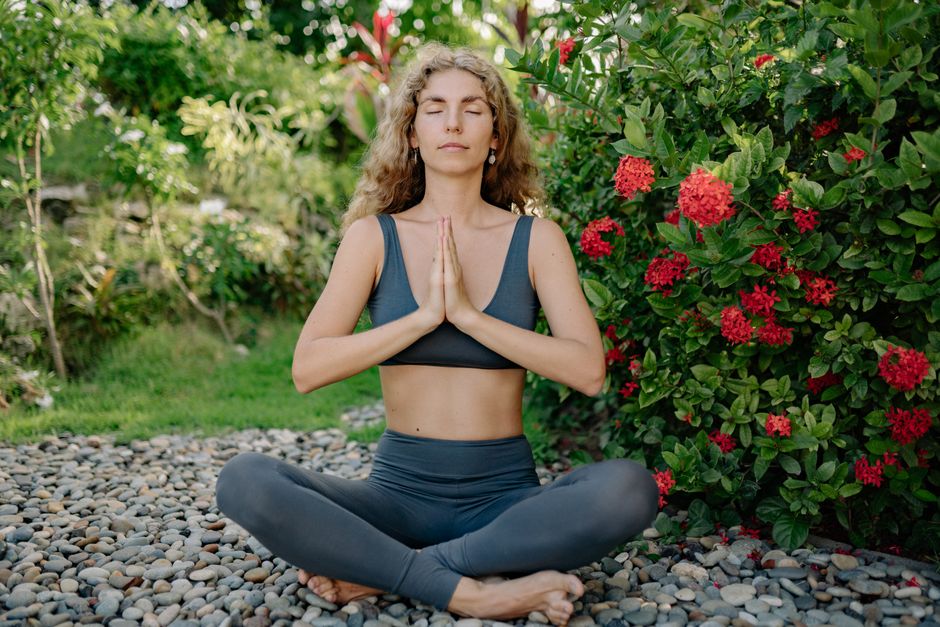
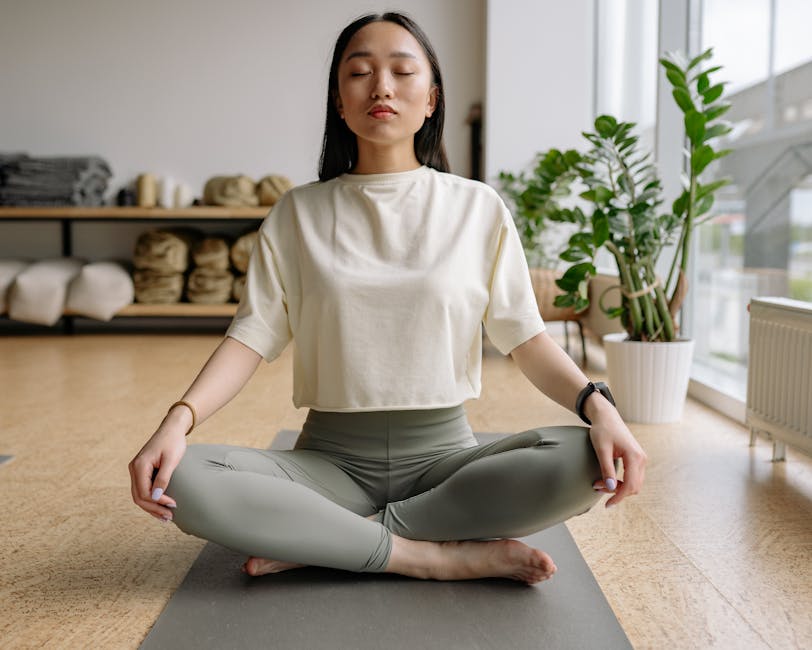
Yoga is a dynamic practice involving various physical poses known as asanas. These poses not only enhance flexibility and strength but also improve bodily awareness. With regular practice, yoga can lead to physical health benefits like improved posture, better circulation, and increased energy levels. In contrast, meditation is primarily a mental exercise. It involves finding a comfortable position, be it sitting cross-legged on the floor or on a chair, and focusing the mind. There are no physical contortions; instead, meditation seeks to train attention and awareness.
Mental and Emotional Focus
Meditation is widely recognized for its ability to calm the mind and reduce stress. Techniques such as mindfulness meditation encourage practitioners to focus on the present moment, thereby decreasing anxiety about the past or future. Yoga, while also offering mental benefits, tends to start with the physical body to reach the mind. The combination of breath and movement in yoga creates a meditative state that can help reduce stress but might not offer the same depth of mental training as meditation alone.
Benefits of Yoga
Holistic Wellness
Yoga offers a comprehensive approach to wellness, encompassing physical, mental, and spiritual health. For those who enjoy physical activity, yoga can be a rewarding practice that engages both body and mind. It introduces practitioners to breathing techniques that can be beneficial outside the practice itself, providing tools to manage stress during daily life.
Community and Connection
Often practiced in group settings, yoga fosters a sense of community. This can be especially beneficial in Nigerian urban settings where social connections are vital. Yoga classes can serve as a space to meet like-minded individuals, which can enhance motivation and commitment to the practice.
Benefits of Meditation
Accessibility and Flexibility
Meditation requires minimal setup. All that's needed is a quiet space and a few minutes of your time. This makes it an accessible option for those who might not have the time or resources to attend yoga classes. Meditation can be practiced almost anywhere, from the comfort of your living room to a quiet corner at work.
Depth of Mental Training
For those seeking profound mental clarity, meditation can be particularly effective. It is specifically designed to train the mind, helping to develop focus, emotional stability, and a deeper sense of self-awareness. Over time, meditation can significantly reduce symptoms of anxiety and depression.
Challenges and Considerations
Time Commitment
Both practices require a level of commitment to see benefits. Yoga might demand a longer time commitment due to travel to classes and the duration of the sessions. Meditation, while needing less time per session, requires consistent daily practice to be effective.
Personal Preferences
Your personal preferences play a crucial role in which practice might be more beneficial. If you enjoy physical activity and a structured routine, yoga might be more appealing. If you prefer introspection and minimal physical movement, meditation could be the better choice.
Final Thoughts
Ultimately, choosing between yoga and meditation depends on your individual needs and lifestyle. Both practices offer substantial mental health benefits, but their approaches differ. If possible, incorporating elements of both into your routine can offer a balanced path to wellness. Remember, the goal is not perfection but progress. Whether you're holding a yoga pose or sitting in silent meditation, each moment dedicated to self-care is a step towards a healthier mind.