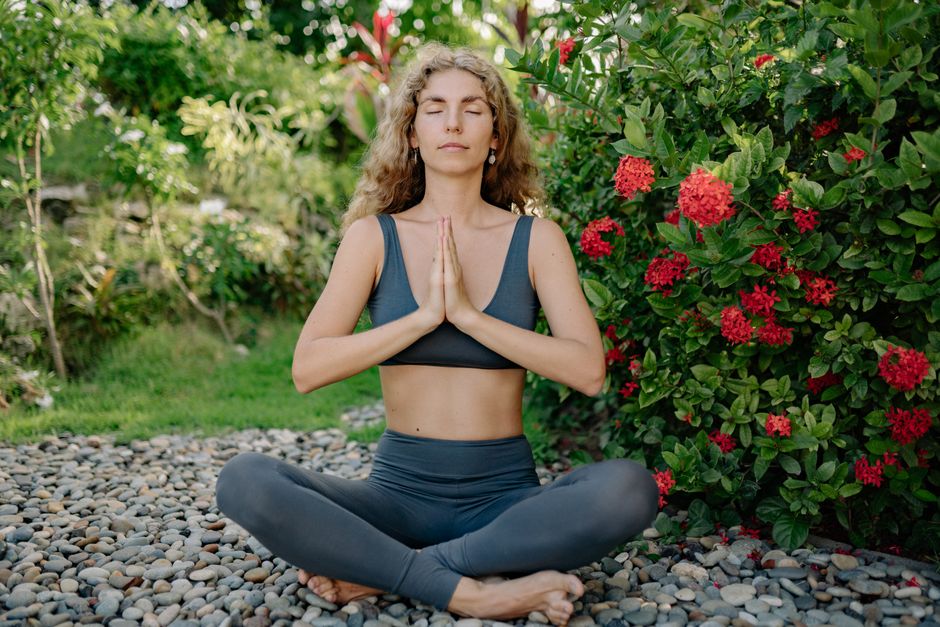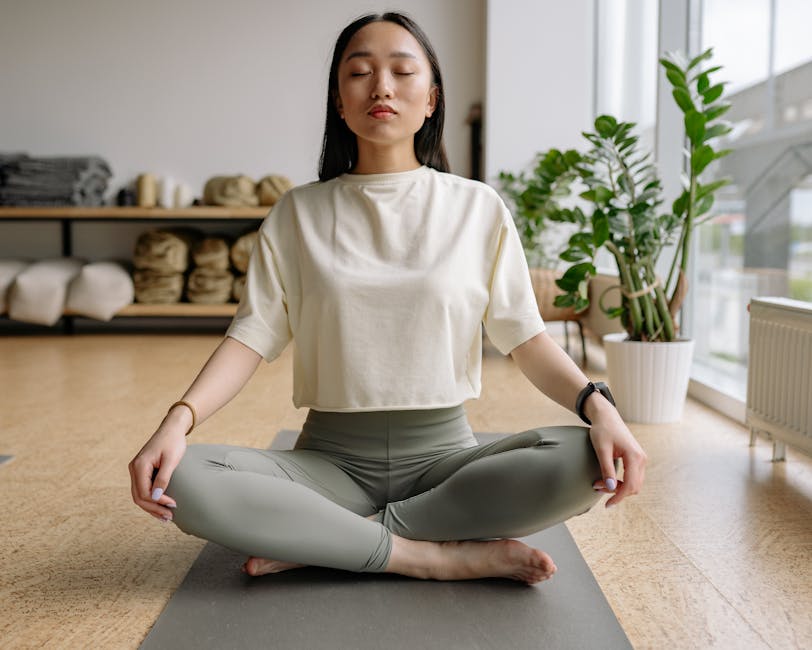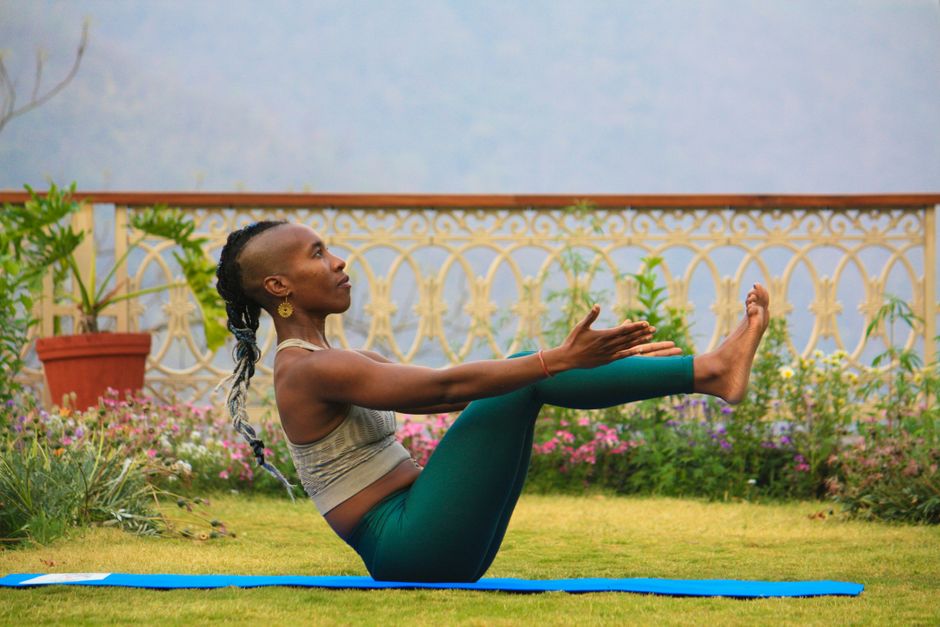
For many Nigerians juggling the demands of family, work, and community, finding effective ways to manage stress is crucial. Two popular options for stress relief are yoga and meditation. While both practices offer significant mental health benefits, they differ in their approaches and outcomes. This article will help you understand these differences, so you can choose the path that best aligns with your needs and lifestyle.
Understanding Yoga
Yoga is a physical and spiritual discipline originating from ancient India, designed to promote balance in the body and mind. It's become increasingly popular in Nigeria, with several studios offering classes to suit various levels of experience.
Physical Aspects of Yoga
Yoga involves a series of postures, known as asanas, which require stretching, balancing, and holding poses. These movements not only improve physical flexibility but also enhance mental focus.
Mental Benefits of Yoga
In addition to physical health, yoga can significantly impact mental well-being. The practice encourages mindfulness, helping practitioners stay present and reduce anxiety.
- Reduction of Cortisol Levels: Studies have shown that yoga can lower cortisol, the stress hormone, leading to a calmer mind.
- Improved Sleep Quality: Regular practice has been linked to better sleep patterns, which is crucial for managing stress.
The Essence of Meditation
Meditation, on the other hand, is primarily a mental training practice. It involves focusing the mind to achieve a state of deep peace and relaxation. In cities like Lagos, where life can be hectic, meditation offers a quiet escape.
Types of Meditation
Several forms of meditation exist, such as mindfulness meditation, transcendental meditation, and guided meditation. Each offers unique techniques to help calm the mind.
Mental and Emotional Benefits
The impact of meditation on mental health is profound. It helps in cultivating a sense of peace, enhancing concentration, and fostering emotional resilience.
- Mindfulness: Regular meditation practice can increase mindfulness, helping individuals to manage stress more effectively.
- Emotional Stability: It aids in reducing symptoms of anxiety and depression, promoting overall emotional well-being.
Comparing Yoga and Meditation for Stress Relief
Time Commitment
Yoga sessions often last between 30 to 90 minutes, requiring a significant time investment. Meditation, however, can be practiced in as little as 5 to 10 minutes daily.
Physical Requirements
Yoga demands physical movement and flexibility, which may not suit everyone. Meditation requires minimal physical exertion, making it accessible to a broader audience.
Social Interaction
Yoga classes offer a community feel, which can be motivating. In contrast, meditation is mostly a solitary practice, suitable for those who prefer introspection.
Choosing between yoga and meditation depends on personal preferences and lifestyle. Both are effective for stress management, but their approaches differ significantly.
Choosing the Right Practice for You
Consider your lifestyle, physical health, and mental wellness goals. If you enjoy physical activity and community interaction, yoga might be more suitable. If you seek a quiet, introspective practice, meditation could be the better choice.
Experiment with both practices to see which resonates more with you. Many practitioners find value in incorporating elements of both yoga and meditation into their routines.
Final Thoughts
Both yoga and meditation offer unique pathways to reducing stress and enhancing mental health. With Nigeria's growing interest in wellness, exploring these practices can lead to improved quality of life. Evaluate your needs, try both methods, and find the perfect balance that works for you.