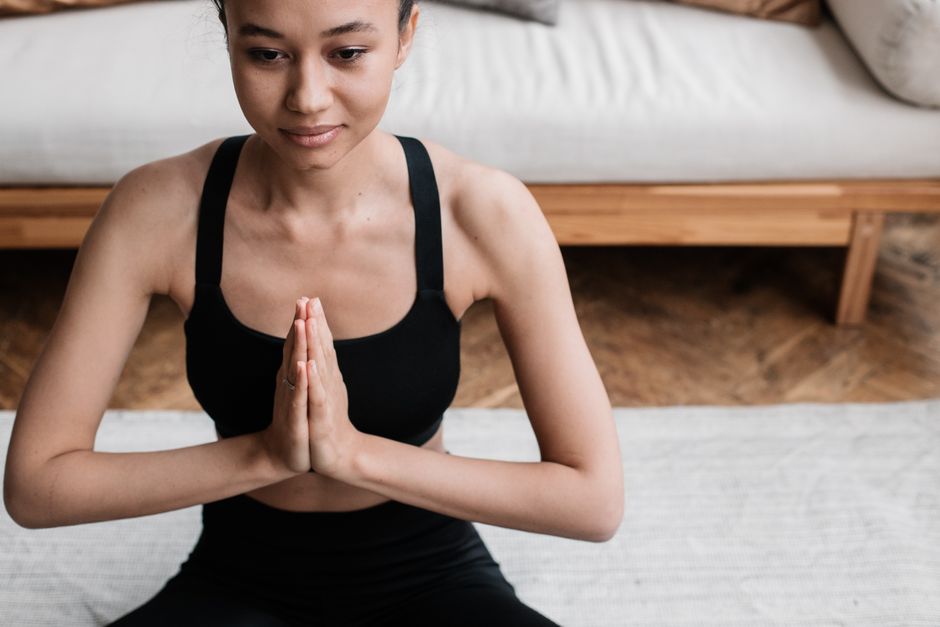
In the fast-paced and often challenging environment that many Nigerians find themselves in, anxiety and stress can become unwelcome companions. Whether it’s managing work deadlines, navigating Lagos traffic, or balancing family responsibilities, the constant demands can take a toll on mental health. But what if there was a simple, effective way to combat these feelings of anxiety and regain control? Enter mindfulness — a powerful tool that can help you stay present, reduce stress, and foster a greater sense of peace.
Mindfulness is not a new concept, but its application has gained considerable traction in recent years as a means to combat the pressures of modern life. By focusing on the present moment and accepting it without judgment, mindfulness encourages a more balanced and reflective approach to life. Let’s delve into some practical mindfulness practices that can significantly reduce anxiety and stress.
Understanding Mindfulness
What is Mindfulness?
Mindfulness is the practice of being fully present in each moment, aware of your thoughts, feelings, and sensations without judgment. It’s about observing your inner world with curiosity rather than criticism.
Originating from Buddhist traditions, mindfulness has been adapted into various secular contexts, including psychological and therapeutic practices. It’s a skill that can be cultivated through meditation, yoga, or simply paying attention to your daily activities in a mindful way.
The Science Behind Mindfulness
Research suggests that mindfulness practice can significantly reduce symptoms of anxiety and depression. By fostering a state of calm and improving emotional regulation, mindfulness can lead to healthier mental states.
Studies have shown that regular mindfulness practice can decrease stress hormone levels, increase grey matter in areas of the brain associated with emotional regulation, and improve overall well-being.
Mindfulness Techniques to Reduce Anxiety
Mindful Breathing
Mindful breathing is one of the simplest yet most effective ways to practice mindfulness. It involves focusing your attention on the breath as it flows in and out.
- Find a quiet place and sit comfortably.
- Close your eyes and take deep, slow breaths.
- Focus on the sensation of the breath entering and leaving your nostrils.
- Whenever your mind wanders, gently bring your attention back to your breath.
Even a few minutes of mindful breathing can help reduce anxiety and bring clarity to your thoughts.
Body Scan Meditation
This technique involves mentally scanning your body, paying attention to any sensations, tensions, or discomforts. It helps in recognizing stress points in the body and releasing tension.
"The body scan meditation is a grounding practice that can effectively anchor you to the present, relieving anxious thoughts," explains Dr. Tolu Oladipo, a Lagos-based psychologist.
- Lie down in a comfortable position.
- Close your eyes and take a few deep breaths.
- Focus on each part of your body, from toes to head, noticing any tension or relaxation.
- Breathe into any areas of tension, and visualize releasing that tension with each exhalation.
Mindful Walking
Walking is a daily activity that can be transformed into a mindfulness practice. Mindful walking involves being fully aware of the act of walking, the sensations of your body, and the environment around you.
- Choose a route where you won’t be disturbed.
- As you walk, pay attention to the sensations of your feet touching the ground.
- Notice the rhythm of your breath and the movement of your body.
- Be aware of the sights, sounds, and smells around you.
This practice not only reduces anxiety but also helps in cultivating gratitude and appreciation for your surroundings.
Gratitude Journaling
Keeping a gratitude journal is another effective mindfulness technique. It involves writing down things you are thankful for, which shifts focus from anxiety-inducing thoughts to positive aspects of life.
- Spend a few minutes each day writing down three things you are grateful for.
- Reflect on why these things are meaningful to you.
- Over time, this practice can increase feelings of happiness and reduce anxiety.
Integrating Mindfulness into Daily Life
Mindful Eating
Mindful eating is the practice of being fully attentive to the experience of eating and drinking, both inside and outside the meal. This practice encourages a healthier relationship with food.
- Before eating, take a moment to appreciate the food on your plate.
- Eat slowly, savoring each bite. Notice the flavors, textures, and aromas.
- Listen to your body’s hunger and fullness signals.
Mindful eating can help reduce stress by encouraging a more intentional and enjoyable approach to meals.
Mindful Listening
In a world filled with constant noise, mindful listening can be a transformative practice. It involves fully focusing on the speaker and the message, without interruptions or judgments.
- When someone is speaking, give them your full attention.
- Resist the urge to formulate a response while they are talking.
- Be present in the conversation, acknowledging the speaker’s feelings and perspectives.
This practice not only improves communication but also fosters deeper connections and reduces anxiety in social interactions.
Overcoming Challenges in Practicing Mindfulness
Common Misconceptions
Some people believe that mindfulness requires special skills or a lot of time. In reality, mindfulness can be practiced in small, manageable increments throughout the day.
Another misconception is that mindfulness means clearing your mind completely. Instead, it’s about allowing thoughts to come and go without judgment.
Staying Consistent
Consistency is key to reaping the benefits of mindfulness. Start with short, daily practices and gradually increase the duration as you become more comfortable.
"Like any skill, mindfulness improves with practice. Be patient with yourself and make it a regular part of your routine," advises Kunle Adeyemi, a mindfulness coach based in Abuja.
Dealing with Distractions
Distractions are a common challenge when practicing mindfulness. To minimize them, find a quiet space, use mindfulness apps, or practice with a group.
Remember, the goal is not perfection but progress. Each moment of mindfulness makes a difference.
Conclusion
For many Nigerians, the path to reducing anxiety and enhancing mental well-being lies in the practice of mindfulness. By incorporating these simple techniques into daily life, you can cultivate greater peace, clarity, and resilience. Mindfulness is not just a practice but a lifestyle change that can lead to profound improvements in mental health. Embrace these practices with an open heart, and see the transformation unfold.