Anxiety can feel like a constant companion, lurking in the corners of our minds, ready to pounce at the slightest provocation. For many Nigerians, who juggle multiple responsibilities amidst a rapidly changing economic and social landscape, anxiety is an all-too-familiar intrusion. But what if you could learn how to manage it effectively, using methods that fit seamlessly into your daily life? Enter mindfulness – an ancient practice with modern-day applications that can help you find peace amidst chaos.
Mindfulness is about being fully present and engaged in the moment, aware of your thoughts and feelings without being overwhelmed by them. In this article, we’ll explore practical mindfulness techniques that anyone can adopt, regardless of their background or daily schedule. Whether you're battling anxiety due to work pressures, family obligations, or financial concerns, these practices can offer a lifeline.
Understanding Anxiety and Its Impact
The Nature of Anxiety
Anxiety is more than just occasional worry or fear. It’s a persistent feeling of unease that can interfere with daily activities. In Nigeria, where societal expectations and economic pressures can be intense, anxiety might manifest in both subtle and overt ways.
Common symptoms include a racing heart, excessive worry, difficulty concentrating, and insomnia. If you find yourself experiencing these frequently, it might be time to consider mindfulness as a coping strategy.
The Societal Context in Nigeria
The fast-paced life in Nigerian cities like Lagos or Abuja, coupled with the hustle and bustle of daily commutes, can exacerbate anxiety. However, even in more rural settings, uncertainties about resources and opportunities can lead to heightened stress levels.
Understanding the context in which anxiety arises can help tailor mindfulness practices to better suit individual needs and circumstances.
Embracing Mindfulness: The Basics
What is Mindfulness?
Mindfulness involves paying attention to the present moment, with curiosity and without judgment. It’s about observing your thoughts and feelings from a distance, rather than getting caught up in them.
This doesn't require special equipment or a dedicated space. You can practice mindfulness while you eat, walk, or even during a commute.
Benefits of Mindfulness for Anxiety
- Reduces stress: Mindfulness can lower stress levels by helping you focus on the present rather than worrying about the future.
- Improves focus: By training your mind to concentrate on the present, mindfulness can enhance your attention span and productivity.
- Enhances emotional regulation: Mindfulness helps you manage your emotions better, reducing the frequency and intensity of anxiety episodes.
Practical Mindfulness Techniques
Mindful Breathing
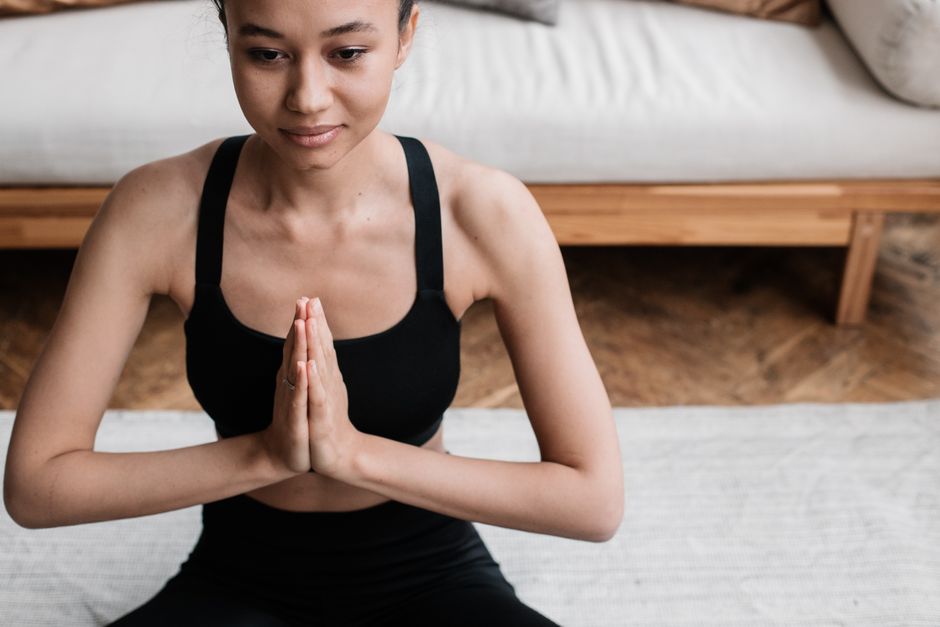
One of the simplest ways to practice mindfulness is through breathing exercises. Find a quiet place, sit comfortably, and focus on your breathing. Notice the sensation of the breath entering and leaving your body.
"Breathing in, I calm my body. Breathing out, I smile. Dwelling in the present moment, I know this is a wonderful moment." – Thich Nhat Hanh
Whenever your mind wanders, gently bring your attention back to your breath. Even a few minutes a day can make a significant difference.
Body Scan Meditation
This technique involves paying attention to different parts of your body, noticing any sensations present. It helps in connecting your mind and body, making you more aware of physical tension and stress.
Start from your toes and move upwards to your head, spending a few seconds on each part. If you notice tension, breathe into it and let it go.
Integrating Mindfulness into Daily Life
Mindful Eating
Eating is a daily activity that can be transformed into a mindful practice. Pay attention to the texture, taste, and aroma of each bite. This not only aids digestion but also enhances your appreciation of food.
Walking Meditation
Whether you're walking to catch a bus or strolling through a market, walking meditation encourages you to focus on the sensation of walking. Feel the ground beneath your feet and the rhythm of your steps.
This practice can be particularly beneficial in reducing anxiety, as it combines physical exercise with mental focus.
Overcoming Challenges to Mindfulness
Dealing with Distractions
In a busy environment, distractions are inevitable. Whether it's background noise or intrusive thoughts, learning to acknowledge them and gently redirect your focus is key.
Remember, mindfulness is a practice; it’s about progress, not perfection. Be patient with yourself as you develop this skill.
Staying Consistent
Building a habit takes time. Set small, achievable goals, such as spending five minutes a day on mindfulness exercises, and gradually increase the duration.
Consistency will help reinforce the benefits of mindfulness, making it a natural part of your routine.
Conclusion
Anxiety may be a common experience, but it doesn't have to control your life. By embracing mindfulness, you can cultivate a sense of calm and clarity, even amidst the chaos. These techniques are not only easy to adopt but can be practiced anywhere, making them ideal for anyone in Nigeria seeking to manage their mental health more effectively.
Start small, stay consistent, and watch as mindfulness transforms your relationship with anxiety, one mindful moment at a time.