In the bustling cities of Nigeria, from the vibrant life of Lagos to the serene landscapes of Jos, stress is a constant companion for many. The fast-paced lifestyle, coupled with daily challenges, has made anxiety a common issue among Nigerians. But what if there was a way to find peace amidst the chaos? Enter mindfulness—a simple yet powerful approach to calming your mind and reducing anxiety.
Mindfulness isn't just a buzzword; it's a practice that encourages you to focus on the present moment, to be aware of your thoughts and feelings without judgment. This practice has been shown to effectively reduce anxiety and improve overall well-being. So, how can you incorporate mindfulness into your daily life and start experiencing its benefits?
Whether you're a student dealing with exam stress, a professional balancing work and family, or just someone looking to cope with daily pressures, mindfulness offers practical solutions. Let’s explore some effective techniques that can help you reclaim your peace of mind and live a more balanced life.
Understanding Mindfulness and Its Benefits
What is Mindfulness?
At its core, mindfulness is about being fully present in the moment. It involves paying attention to your thoughts, emotions, and bodily sensations without being overwhelmed by them. Think of it as taking a mental step back to observe your inner world with curiosity and openness.
"Mindfulness is the practice of purposefully focusing your attention on the present moment—and accepting it without judgment." – Jon Kabat-Zinn
The Benefits of Mindfulness
Research has shown that practicing mindfulness can lead to a reduction in stress and anxiety, improved attention and concentration, and a greater sense of well-being. Here are some specific benefits:
- Reducing Anxiety: By focusing on the present, mindfulness helps to lessen the grip of anxiety, which often stems from worrying about the future.
- Enhancing Emotional Health: Mindfulness can help you manage your emotions, reducing symptoms of depression and boosting overall mood.
- Improving Focus: Regular mindfulness practice enhances your ability to concentrate and can improve cognitive flexibility.
- Promoting Better Sleep: Mindfulness techniques can help you unwind, leading to improved sleep quality.
Practical Mindfulness Techniques
Mindful Breathing
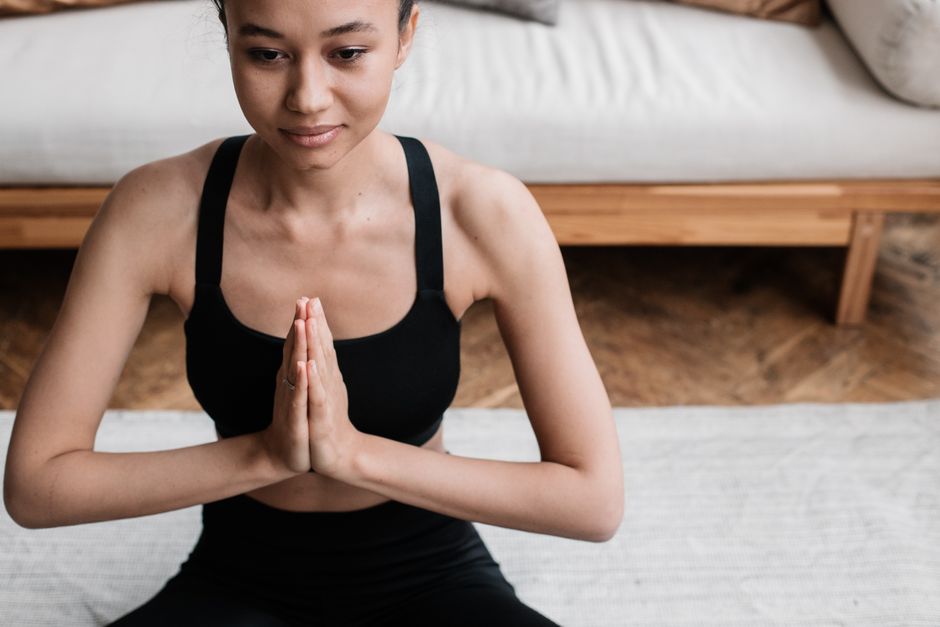
Mindful breathing is a simple yet powerful technique to start your mindfulness journey. It involves focusing your attention on your breath, helping you anchor your mind in the present moment.
- Find a quiet place where you can sit comfortably.
- Close your eyes and take a deep breath in, feeling your chest expand.
- Slowly exhale and focus on the sensation of the air leaving your body.
- Continue this pattern for a few minutes, gently bringing your mind back to your breath whenever it wanders.
Body Scan Meditation
The body scan is a mindfulness exercise that promotes relaxation by encouraging awareness of physical sensations. Here’s how to do it:
- Lie down in a comfortable position, with your arms at your sides.
- Starting from your toes, slowly bring your attention to each part of your body, moving upwards.
- Notice any tension or sensations, but don't try to change them. Just observe.
- Continue until you reach the top of your head, then take a few deep breaths to end the practice.
Mindful Walking
Mindful walking combines movement with mindfulness, making it perfect for those who find still meditation challenging. Here’s a simple guide:
- Find a quiet path or even a hallway where you can walk slowly.
- Focus on the sensation of your feet touching the ground with each step.
- Be aware of your surroundings, the sounds, and the feeling of the air on your skin.
- Walk for 5-10 minutes, maintaining awareness of your movement and sensations.
Incorporating Mindfulness Into Daily Life
Mindful Eating
Turn mealtime into a mindful practice by paying full attention to the experience of eating. Notice the flavors, textures, and aromas of your food, and eat slowly to savor each bite.
Daily Mindfulness Routine
Integrating mindfulness into your daily routine can be as simple as taking a few minutes each day to practice gratitude, set intentions, or engage in a short meditation session.
Using Technology Mindfully
In our digital age, being mindful of how we use technology is crucial. Set boundaries for screen time, and take regular breaks to disconnect and focus on the present.
Overcoming Common Challenges
Staying Consistent
One of the main challenges of practicing mindfulness is consistency. Set a regular schedule and start with short, manageable time frames to help build a habit.
Dealing with Distractions
It’s natural for your mind to wander during mindfulness practice. When it happens, gently redirect your focus back to the present moment without judgment.
"Mindfulness is not about getting rid of thoughts but learning to see them clearly." – Unknown
Conclusion
Embracing mindfulness can transform your life, providing a buffer against the stresses of daily living. By integrating these techniques into your routine, you can cultivate a sense of peace and resilience. Remember, the journey of mindfulness is personal and unfolds at your own pace. As you practice, you'll discover what works best for you, bringing balance and tranquility even amidst the busiest days in Nigeria.