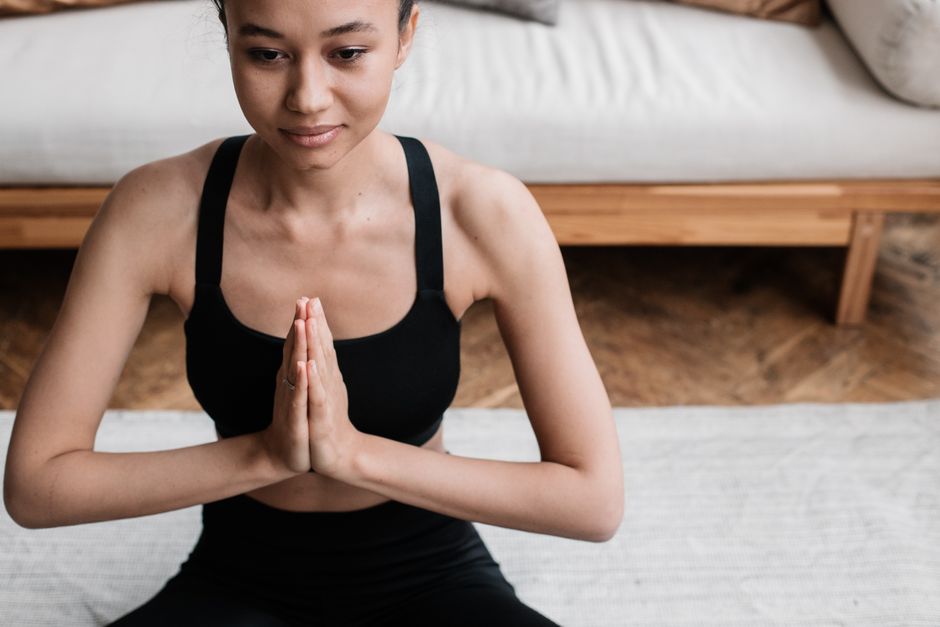
In the bustling streets of Lagos or the serene landscapes of Obudu, life in Nigeria is a vibrant tapestry of experiences. Yet, amidst the color and chaos, many of us find ourselves grappling with stress and the pressures of daily living. How do we cultivate peace within this dynamic environment? The answer may lie in the practice of mindfulness.
Mindfulness, a concept rooted in ancient traditions, has gained global recognition for its effectiveness in promoting mental well-being. By focusing on the present moment, mindfulness helps us navigate the complexities of our thoughts and emotions, transforming anxiety into tranquility. Whether you're a student juggling exams, a professional climbing the career ladder, or a parent managing household responsibilities, mindfulness offers a pathway to inner peace.
Understanding Mindfulness: The Basics
At its core, mindfulness is the practice of being fully present in the moment, without judgment. It involves observing your thoughts and feelings from a distance, creating a space between stimulus and reaction.
The Origin of Mindfulness
Mindfulness has its roots in Buddhist meditation practices but has been adapted into a secular form accessible to everyone, regardless of religious beliefs.
Why Mindfulness Matters
In our fast-paced world, mindfulness can help reduce stress, improve focus, and enhance emotional health. It allows us to respond to situations with clarity rather than react impulsively.
Practical Mindfulness Exercises
Mindful Breathing
One of the simplest ways to practice mindfulness is through mindful breathing. Take a few moments to focus on your breath, observing each inhale and exhale. This technique can be done anywhere, from your living room to a crowded bus in Lagos.
- Find a quiet spot if possible, or simply close your eyes and visualize a peaceful scene.
- Inhale deeply through your nose, hold for a moment, then exhale slowly.
- Repeat this cycle for five minutes, allowing your thoughts to drift without judgment.
Body Scan Meditation
This exercise involves mentally scanning your body for sensations, starting from your toes and moving up to your head. It's an excellent way to release tension and become aware of physical sensations.
Incorporating Mindfulness into Daily Life
Mindful Eating
Transform meal times into a mindful practice by savoring each bite, appreciating the texture, aroma, and flavor of your food. This can enhance your relationship with food and improve digestion.
Mindful Walking
Whether you're walking through a market in Abuja or strolling through a park, focus on the movement of your body, the feeling of the ground under your feet, and the rhythm of your steps.
Overcoming Common Challenges
Finding Time for Mindfulness
Start small by integrating mindfulness into routine activities like brushing your teeth or commuting. Consistency is key.
Dealing with Distractions
It's normal for your mind to wander. When it does, gently bring your focus back to the present moment without self-criticism.
Mindfulness for Mental Health
Reducing Anxiety and Stress
By breaking the cycle of negative thought patterns, mindfulness can significantly reduce levels of anxiety and stress.
Enhancing Emotional Regulation
Mindfulness fosters greater self-awareness, helping you recognize and regulate your emotions more effectively.
"Mindfulness is not about controlling your thoughts. It’s about not letting them control you." — Jon Kabat-Zinn
Conclusion
Embracing mindfulness in Nigeria's diverse cultural landscape provides a gateway to mental clarity and emotional resilience. It empowers us to live in harmony with our surroundings, fostering a deeper connection with ourselves and others. As you embark on your mindfulness journey, remember that it's not about achieving perfection but about finding peace within the imperfections of life.