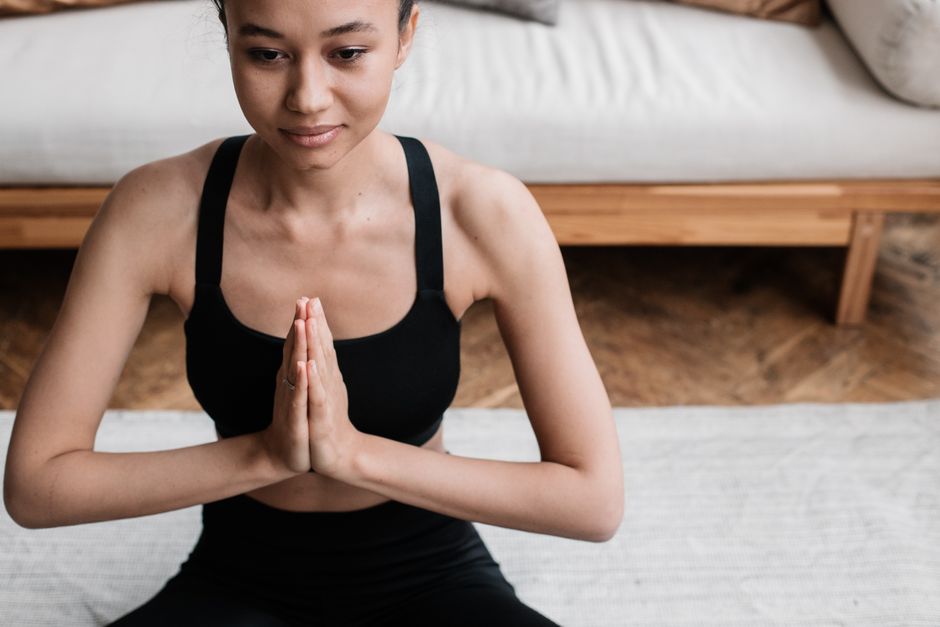
Anxiety and stress are common companions in today's fast-paced world, affecting individuals from all walks of life, including those in bustling Nigerian cities like Lagos and Abuja. But what if you could find peace amidst the chaos without leaving your home? Enter mindfulness—a practice that offers a sanctuary for your mind and soul.
Mindfulness, the art of being present in the moment, has been embraced globally for its ability to reduce stress and anxiety. Whether you're a busy professional, a student, or a homemaker, integrating mindfulness into your daily routine can transform your mental health journey. Let's explore how you can harness this powerful tool to manage anxiety and stress effectively.
Understanding Anxiety and Stress
Anxiety is more than just occasional worry or fear. It's a persistent feeling of unease that can be overwhelming. Stress, on the other hand, is your body's natural response to a perceived challenge or threat. While a little stress can be motivating, chronic stress can lead to significant health issues.
Common Causes of Anxiety and Stress in Nigeria
- Economic pressures and job insecurity
- High expectations and academic stress
- Traffic congestion and urban living challenges
- Family and societal pressures
Recognizing these stressors is the first step in managing them effectively.
The Role of Mindfulness in Reducing Anxiety and Stress
Mindfulness involves focusing your attention on the present moment without judgment. It encourages awareness and acceptance of your thoughts and feelings.
How Mindfulness Works
Mindfulness helps in observing your thoughts objectively, allowing you to respond to stressors thoughtfully rather than react impulsively.
“Mindfulness is a way of befriending ourselves and our experience.” — Jon Kabat-Zinn
Practical Mindfulness Techniques for Everyday Use
Incorporating mindfulness doesn't require a complete lifestyle overhaul. Here are some practical tips:
Mindful Breathing
Focus on your breath. Inhale slowly through your nose, hold, and exhale through your mouth. Repeat this for a few minutes.
Body Scan Meditation
Lie down comfortably. Close your eyes and focus on each part of your body, starting from your toes and moving upwards, noting any tension or stress.
Mindful Walking
- Walk slowly and deliberately, focusing on the sensation of your feet touching the ground.
- Notice the sights, sounds, and smells around you without judgment.
Integrating Mindfulness into Your Daily Routine
Consistency is key to experiencing the benefits of mindfulness. Here’s how you can make it a part of your daily life:
Set a Regular Practice Time
Dedicate a few minutes each day to mindfulness, whether it's in the morning, during lunch, or before bed.
Create a Mindfulness Space
Designate a quiet corner in your home where you can practice mindfulness exercises without interruptions.
Use Mindfulness Apps
Apps like Headspace or Calm offer guided meditations that can help you stay on track.
Final Thoughts
Mindfulness isn't a magic cure, but a powerful tool to manage anxiety and stress. By practicing mindfulness, you cultivate a sense of calm, clarity, and resilience, helping you navigate life's challenges with grace. Remember, the journey of mindfulness is personal and unique to each individual, so be patient and kind with yourself as you embark on this path.