In a fast-paced world where the demands of work, family, and personal growth continuously tug at us, anxiety often lurks around the corner, ready to pounce when we least expect it. For many Nigerians, juggling these responsibilities while hoping to maintain mental well-being is a delicate balance. Fortunately, there are practical strategies that can help manage anxiety effectively, allowing you to lead a more fulfilling life.
Anxiety is not just a mere feeling of unease; it's a formidable adversary for many. But take heart, there are ways to manage it effectively. Understanding the root causes and equipping oneself with the right tools can make a significant difference in the battle against anxiety.
Understanding Anxiety: What It Is and How It Affects Us
What is Anxiety?
Anxiety is a natural response to stress and can be beneficial in some situations. It alerts us to dangers and helps us prepare and pay attention. However, when anxiety becomes a regular companion and starts affecting daily life, it becomes a problem.
Common Symptoms of Anxiety
- Feeling nervous or restless
- Increased heart rate
- Rapid breathing (hyperventilation)
- Sweating and trembling
- Feeling weak or tired
It is essential to recognize these symptoms early and address them promptly to prevent escalation.
Practical Strategies for Managing Anxiety
Mindfulness and Meditation
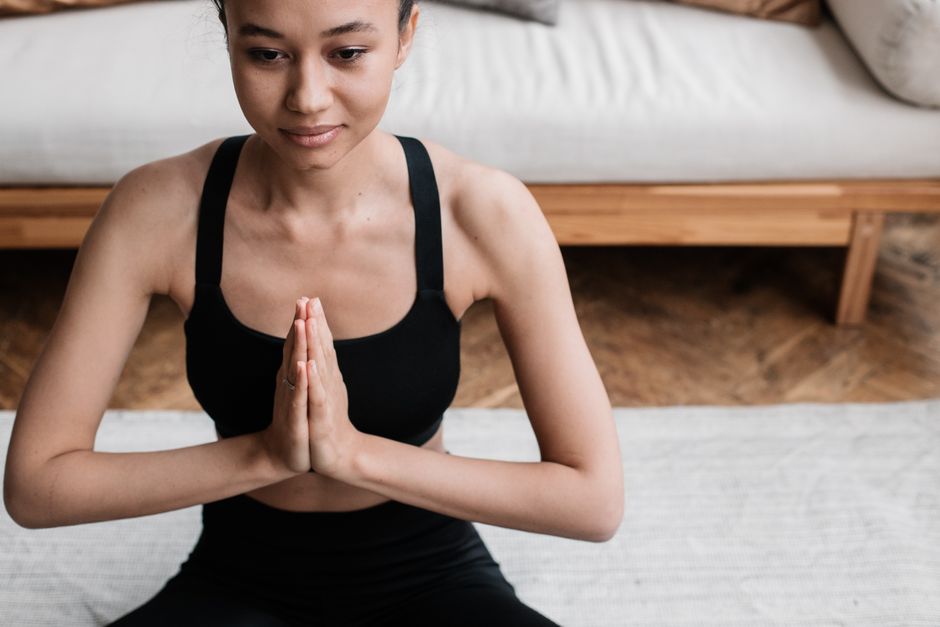
Mindfulness involves paying attention to the present moment without judgment. This practice can significantly reduce anxiety symptoms by anchoring your thoughts in the present rather than worrying about the future.
"Mindfulness is a way of befriending ourselves and our experience." - Jon Kabat-Zinn
Try setting aside a few minutes daily for mindfulness exercises, such as deep breathing or guided meditation sessions, which can be easily found online.
Physical Activity
Regular physical activity is a powerful way to reduce anxiety. Exercise releases endorphins, which are natural mood lifters. Activities like walking, jogging, or dancing can be particularly beneficial.
- Start with short walks in your neighborhood.
- Join a community dance class or group activity.
- Engage in home exercise routines using online videos.
Diet and Anxiety: What You Eat Matters
The Role of Nutrition in Mental Health
A balanced diet can impact your anxiety levels significantly. Foods rich in omega-3 fatty acids, like fish and walnuts, and those high in antioxidants, such as fruits and vegetables, can help boost mental health.
Foods to Avoid
- Caffeine: Can induce anxiety and nervousness.
- Sugar: Spikes and crashes in blood sugar can affect mood.
- Processed foods: Often high in unhealthy fats and sugars.
Opt for healthier alternatives and ensure your meals are balanced to keep anxiety at bay.
Building a Support Network
Importance of Social Connections
Having a solid support network can make a significant difference in managing anxiety. Friends and family can provide emotional support and practical help, making you feel more connected and less isolated.
Seeking Professional Help
Don't hesitate to reach out for professional help if anxiety becomes overwhelming. In Nigeria, there are numerous qualified therapists and counselors who can provide guidance and support.
Therapists can offer cognitive-behavioral therapy (CBT), which is particularly effective for anxiety disorders.
Conclusion
Managing anxiety is a journey that requires patience and persistence. By incorporating mindfulness, regular exercise, a balanced diet, and building a supportive network, you can take proactive steps to manage anxiety effectively. Remember, it's okay to seek help, and you're not alone in this journey. Embrace these strategies and empower yourself to live a more balanced and anxiety-free life.