In Nigeria, where the hustle and bustle of daily life can often feel overwhelming, managing stress effectively is crucial for maintaining both mental and physical well-being. Whether you're navigating the crowded streets of Lagos or balancing the demands of work and family, stress is an inevitable part of life. However, understanding how to cope and manage stress can make a significant difference in how you experience life.
While stress in moderate doses can sometimes act as a motivator, chronic stress can lead to serious health problems, including anxiety, depression, and cardiovascular issues. This article aims to provide you with practical strategies tailored to the Nigerian context, helping you manage stress more effectively.
Let's dive into these strategies and explore how they can be applied to your daily life, ensuring you remain not just productive, but also mentally healthy.
Understanding Stress: The Nigerian Context
Stress is the body's response to any demand or threat. When you perceive danger—whether real or imagined—the body's defenses kick into high gear in a rapid, automatic process known as the “fight-or-flight” reaction, or the stress response.
Common Sources of Stress in Nigeria
The unique socio-economic landscape of Nigeria introduces several stressors:
- Traffic congestion: Navigating through cities like Lagos can be stressful due to long traffic jams.
- Economic challenges: Fluctuations in the economy can create financial stress.
- Security concerns: Safety issues in certain regions can increase anxiety levels.
- Work pressure: High expectations and job demands can contribute to stress.
Understanding these sources can help us identify specific stress management techniques that work best in our environment.
Practical Stress Management Techniques
Mindfulness and Meditation
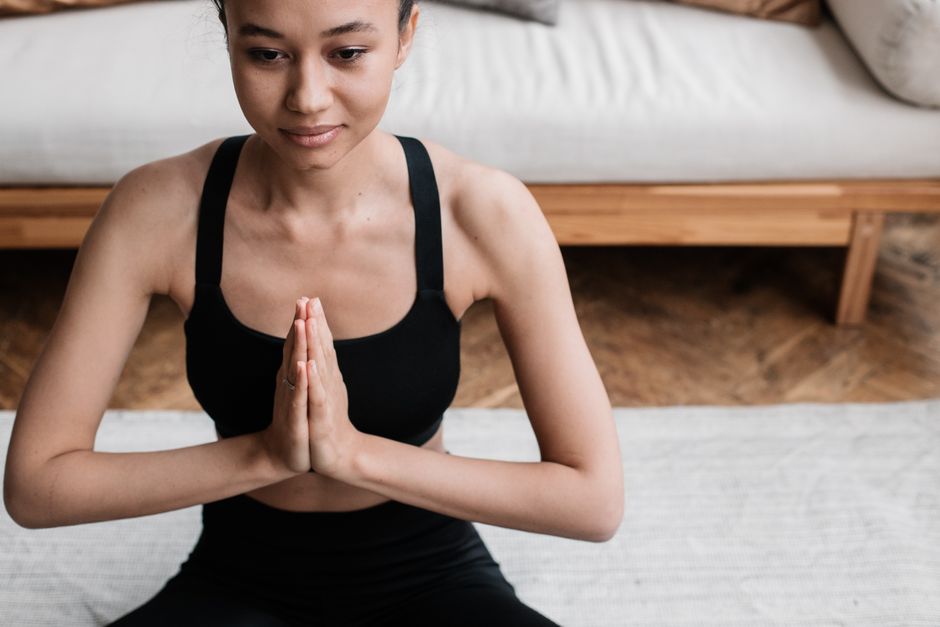
Mindfulness is about staying present and fully engaging with the current moment without judgment. Practicing mindfulness through meditation can significantly reduce stress.
"Mindfulness helps you go home to the present. And every time you go there and recognize a condition of happiness that you have, happiness comes." — Thich Nhat Hanh
Start with short, daily sessions:
- Find a quiet spot, sit comfortably, and focus on your breath.
- Gently bring your mind back to your breath whenever it wanders.
Physical Activity
Exercise is a powerful stress reliever. Physical activity releases endorphins, which help improve mood and reduce stress.
- Incorporate short walks in a park or around your neighborhood.
- Try local dance classes like Afrobeat for a fun workout.
Social Support
Connecting with friends and family can provide emotional support and a sense of belonging.
- Schedule regular catch-ups with friends over a meal or a coffee.
- Join community groups or local clubs to meet new people.
Diet and Lifestyle Adjustments
Healthy Eating
A balanced diet supports your body's ability to cope with stress:
- Include plenty of fruits and vegetables in your meals.
- Stay hydrated by drinking plenty of water.
Avoid excessive caffeine and sugar, which can exacerbate stress.
Sleep Hygiene
Getting adequate sleep is crucial for stress management. Practice good sleep hygiene by:
- Maintaining a regular sleep schedule, even on weekends.
- Creating a relaxing bedtime routine, such as reading or taking a warm bath.
Seeking Professional Help
Sometimes, managing stress on your own isn't enough, and professional help is needed.
Counselling and Therapy
Therapists and counselors offer a safe space to explore stressors and develop coping strategies.
"It's okay to ask for help when you need it. You were not meant to struggle through this alone." — Kelly Osbourne
Employee Assistance Programs
Many organizations offer employee assistance programs (EAPs) that provide confidential counseling services.
- Check if your workplace offers an EAP and use it if available.
Conclusion
Managing stress effectively is an essential part of maintaining mental health, especially in the dynamic environment of Nigeria. By understanding the unique stressors we face and employing practical techniques such as mindfulness, physical activity, and seeking support, you can navigate life's challenges with resilience and grace.
Remember, stress is a part of life, but it doesn't have to control your life. Take small, consistent steps towards stress management today, and enjoy the benefits of improved mental and physical well-being.


