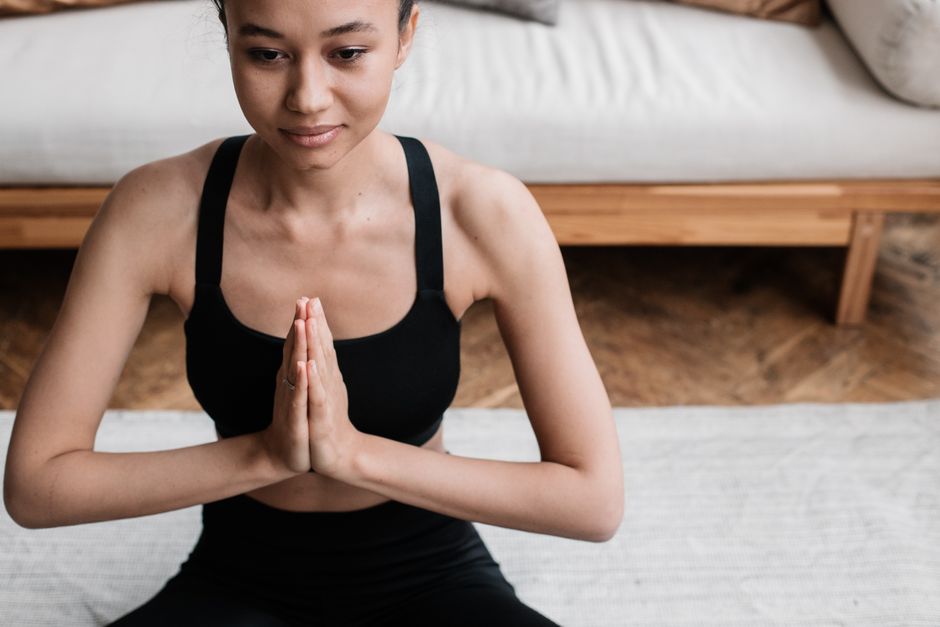
In today's fast-paced world, stress seems to be an unavoidable companion. From the bustling streets of Lagos to the serene landscapes of Ibadan, Nigerians are experiencing increasing levels of stress. But what if there was a way to experience life more fully, to manage stress better, and to cultivate a sense of peace and well-being? That’s where mindfulness comes in. Mindfulness isn't just a trendy buzzword; it's a powerful practice that helps bring a sense of calm and focus into our lives. It's about living in the moment, appreciating the present, and reducing the burden of stress.
Whether you're a student overwhelmed with exams, a professional juggling multiple responsibilities, or a parent trying to balance family and work, mindfulness can offer a pathway to resilience and tranquility. Let's explore practical mindfulness techniques that are adaptable to our Nigerian lifestyle, helping you manage stress and improve your mental health.
Understanding Mindfulness
What is Mindfulness?
Mindfulness is the practice of paying attention to the present moment without judgment. It's about being aware of your thoughts, emotions, and surroundings. This heightened awareness can be cultivated through techniques like meditation, deep breathing, and mindful movement.
"Mindfulness is the art of living in the moment and awakening to your current experience, rather than dwelling on the past or anticipating the future."
History and Roots
Mindfulness has deep roots in ancient traditions, particularly in Buddhism. However, it has been adapted into a secular practice that is widely used in modern psychology to address stress, anxiety, and other mental health issues.
Benefits of Mindfulness for Stress Reduction
Improved Focus and Concentration
Practicing mindfulness can lead to better focus and concentration, making it easier to handle tasks and reduce the feeling of being overwhelmed.
- Enhanced productivity at work or school
- Greater clarity in decision-making
Emotional Regulation
Mindfulness helps in managing emotions more effectively, leading to lower levels of stress and anxiety.
- Better control over reactions to stressful situations
- Improved mood and mental balance
Physical Health Improvements
Regular mindfulness practice has been linked to a variety of physical health benefits, including lower blood pressure and improved sleep quality.
- Reduced symptoms of chronic pain
- Enhanced immune function
Practical Mindfulness Techniques
Mindful Breathing
Focus on your breath for a few minutes each day. Inhale deeply through your nose, hold for a moment, and then exhale slowly. This simple practice can be done anywhere, whether you're at home, at the office, or stuck in Lagos traffic.
Body Scan Meditation
This involves mentally scanning your body from head to toe, noting any areas of tension or discomfort. This practice promotes relaxation and body awareness.
Mindful Walking
Take a short walk, paying close attention to the sensation of your feet touching the ground, the sounds around you, and the smell of the air. This practice can turn a mundane walk into a grounding experience.
Gratitude Journaling
Each day, write down three things you are grateful for. This practice shifts your focus from stress to appreciation, fostering a more positive mindset.
Incorporating Mindfulness into Daily Life
Start Small
Begin with just a few minutes of mindfulness practice each day and gradually increase the duration as you become more comfortable.
Consistency is Key
Like any new habit, consistency is essential. Try to incorporate mindfulness into your daily routine at a time that works best for you.
Create a Mindful Space
Designate a quiet space in your home for mindfulness practice. This can be a corner with a comfortable chair or a mat where you can sit without distractions.
Overcoming Challenges
Dealing with Distractions
It's natural to get distracted. Simply acknowledge the distraction and gently bring your focus back to the present moment.
Staying Motivated
Join a mindfulness group or find a mindfulness buddy to keep each other accountable and motivated.
"Mindfulness is not difficult. We just need to remember to do it." - Sharon Salzberg
Conclusion
Mindfulness offers a powerful way to cope with stress and improve mental well-being. By incorporating mindfulness practices into your daily routine, you can cultivate a sense of calm and presence that enhances your overall quality of life. Remember, mindfulness is a journey, not a destination. So, take a deep breath, be present, and embark on your mindfulness journey today.