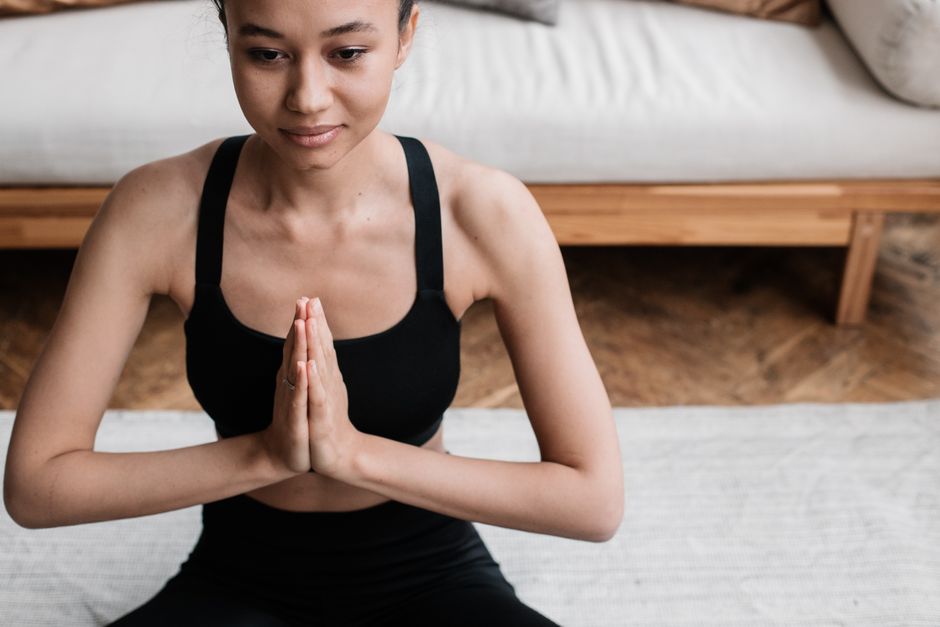
In the hustle and bustle of everyday life in Nigeria, stress often becomes an unavoidable part of our routine. Whether it's the relentless Lagos traffic, meeting work deadlines, or juggling family commitments, stress can take a toll on our mental and physical health. However, there's a way to transform this stress into calm and enhance your sense of well-being: mindfulness.
Mindfulness is about being present and fully engaged with the current moment. It involves paying attention to your thoughts and feelings without judging them. When applied consistently, mindfulness can be a powerful tool to help manage stress and promote mental health. In this article, we'll explore how mindfulness can transform your life in Nigeria, offering practical tips and techniques tailored for our vibrant and sometimes hectic environment.
So, how exactly can mindfulness help you manage stress? Let's dive in.
Understanding Stress in the Nigerian Context
Stress in Nigeria is a common experience, influenced by a variety of factors including economic pressures, social changes, and family responsibilities.
Common Stressors
- Economic Challenges: With fluctuating exchange rates and rising living costs, financial pressures can create significant stress.
- Traffic and Commute: The notorious Lagos traffic is not just an inconvenience but a source of daily stress for many.
- Work-Life Balance: Balancing work and personal life can be challenging, leading to stress and burnout.
The Impact of Stress on Health
Chronic stress can lead to a variety of health issues, including heart disease, anxiety disorders, and depression. Understanding the impact of stress is the first step towards managing it effectively.
"Stress is not what happens to us. It's our response to what happens. And response is something we can choose." — Maureen Killoran
The Fundamentals of Mindfulness
Mindfulness is the practice of being fully present and engaged in the moment, without distraction or judgment.
The Principles of Mindfulness
- Awareness: Being conscious of your surroundings and your inner thoughts and feelings.
- Acceptance: Accepting your thoughts and feelings without trying to change or judge them.
- Non-Judgmental Observation: Observing your thoughts and emotions without labeling them as good or bad.
Benefits of Mindfulness
Research has shown that mindfulness can reduce stress, improve focus, enhance emotional health, and even reduce symptoms of depression and anxiety.
Practical Mindfulness Techniques for Stress Reduction
Integrating mindfulness into your daily routine doesn't require a significant time commitment but can yield substantial benefits.
Mindful Breathing
Start by focusing on your breath. Inhale slowly through your nose, hold for a few seconds, and exhale through your mouth. Repeat this for a few minutes daily to reduce stress.
Body Scan Meditation
Lie down comfortably and focus on each part of your body, from head to toe. Acknowledge any tension and consciously relax those areas.
Mindful Walking
Take a walk and pay attention to the sensations of walking — the movement of your legs, the feeling of the ground beneath your feet, and the rhythm of your breath.
Incorporating Mindfulness into Nigerian Lifestyles
Adapting mindfulness practices to fit into the Nigerian lifestyle can make it easier to integrate them into your daily routine.
Mindfulness in Daily Commutes
Use Lagos traffic to your advantage by practicing mindfulness during your commute. Listen to calming music or a mindfulness podcast.
Mindful Eating
Take time to savor your meals without distractions. Focus on the taste, texture, and aroma of your food, appreciating the nourishment it provides.
Community and Mindfulness
Join local mindfulness groups or online communities to find support and share experiences. This can provide encouragement and accountability.
Final Thoughts
Embracing mindfulness in Nigeria is not just about stress reduction. It's a journey towards a more balanced and fulfilling life. By incorporating these practices into your routine, you can transform everyday stress into moments of calm and clarity. Remember, mindfulness is a skill that takes time and practice to develop, but the rewards are well worth the effort.
"The best way to capture moments is to pay attention. This is how we cultivate mindfulness." — Jon Kabat-Zinn