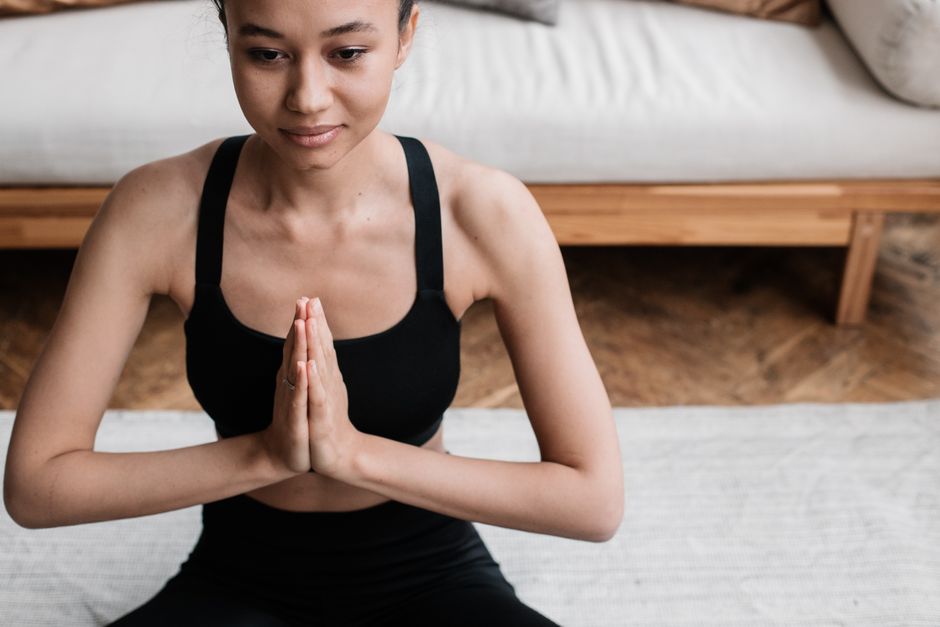
In the bustling cities of Nigeria, where traffic jams are as inevitable as the rising sun, stress is an all-too-common companion. From the busy markets of Lagos to the serene landscapes of Abuja, Nigerians face a myriad of stressors daily. Work pressure, financial challenges, and social expectations often pile up, making it essential to find effective ways to manage stress. This is where mindfulness steps in, offering a path to tranquility amidst chaos.
Mindfulness, a practice rooted in ancient wisdom, is gaining popularity as a powerful tool for reducing stress. It involves being present in the moment, acknowledging thoughts and feelings without judgment, and finding peace in simplicity. Let's explore how mindfulness can be a game-changer for Nigerians seeking to reduce their stress levels.
Understanding Mindfulness
What is Mindfulness?
Mindfulness is the practice of paying attention to the present moment, intentionally and without judgment. It's about being aware of your thoughts, emotions, and sensations in the here and now.
For many Nigerians, mindfulness might seem unfamiliar at first, but it's a simple concept that can be integrated into daily life. Whether you're a student, professional, or homemaker, mindfulness can help you navigate stress more effectively.
The Origin of Mindfulness
While mindfulness has gained global attention in recent years, its roots lie in ancient meditation practices, particularly in Buddhism. However, you don't need to practice Buddhism to benefit from mindfulness. It's a secular, universal practice that anyone can adopt.
"Mindfulness is the art of living in the present moment, fully and peacefully."
Benefits of Mindfulness
Reducing Stress and Anxiety
One of the most significant benefits of mindfulness is its ability to reduce stress and anxiety. By focusing on the present, you can prevent your mind from becoming overwhelmed by the worries of yesterday or the uncertainties of tomorrow.
- Improved Emotional Health: Regular mindfulness practice can lead to reduced symptoms of anxiety and depression.
- Increased Focus: Mindfulness helps in improving concentration and memory, making it easier to tackle daily tasks.
- Better Relationships: Being present enhances communication and empathy, strengthening connections with family and friends.
Boosting Physical Health
Interestingly, mindfulness doesn't just benefit mental health; it also positively impacts physical well-being. Research suggests that mindfulness can lower blood pressure, improve sleep, and boost immune function.
Practical Mindfulness Practices
Mindful Breathing
Mindful breathing is one of the simplest yet most effective ways to practice mindfulness. It involves paying attention to your breath, noticing each inhale and exhale.
- Find a quiet space where you won't be disturbed.
- Sit comfortably with your back straight and eyes closed.
- Focus on your breath, feeling the rise and fall of your chest.
- If your mind wanders, gently bring your attention back to your breath.
Body Scan Meditation
This practice involves focusing on different parts of your body, acknowledging any tension or discomfort without trying to change it.
- Lie down in a comfortable position and close your eyes.
- Start by focusing on your toes, then slowly move up to your head.
- Notice any sensations, tension, or discomfort, and accept them without judgment.
Integrating Mindfulness into Nigerian Daily Life
Mindful Commuting
For many Nigerians, commuting can be a source of stress. Instead of letting the chaos get to you, try practicing mindfulness. Listen to calming music or a mindfulness podcast to make your journey more pleasant.
Mindful Eating
Take time to appreciate your meals. Notice the colors, textures, and flavors of your food. This not only improves digestion but also enhances your appreciation for the nourishment you receive.
Overcoming Challenges in Mindfulness Practice
Dealing with Distractions
In a country as vibrant and lively as Nigeria, distractions are inevitable. Embrace them as part of your practice rather than obstacles. If your mind wanders, simply acknowledge it and return to your point of focus.
Consistency is Key
Like any new skill, mindfulness requires consistent practice. Set aside a few minutes each day for mindfulness, gradually increasing the duration as you become more comfortable.
"Mindfulness isn't difficult; we just need to remember to do it." - Sharon Salzberg
Conclusion
In a world filled with noise and haste, mindfulness offers a respite, a moment of calm that allows you to center yourself and find peace. As you incorporate mindfulness into your daily routine, you'll discover a newfound ability to handle stress and anxiety, leading to a more balanced, fulfilling life.
Remember, mindfulness is not about achieving a particular state of mind, but discovering what is already present. Whether you are navigating the busy streets of Lagos or enjoying the serene landscapes of Abuja, mindfulness can guide you towards a life of tranquility and joy.