In Nigeria, where the hustle and bustle of daily life can be overwhelming, stress and anxiety often seem like unwelcome companions. Whether you're working in the bustling city of Lagos or navigating the challenges of rural life, finding moments of peace can seem elusive. But what if there was a way to cultivate calm and focus, no matter where you are? That's where mindfulness comes in.
Mindfulness isn't just a trendy buzzword—it's a practice grounded in ancient traditions and backed by modern science. At its core, mindfulness means being fully present in the moment. It's about observing your thoughts and feelings without judgment, which can help reduce stress and anxiety. In this article, we'll explore practical mindfulness practices that you can easily incorporate into your daily routine, helping you to live a more balanced and fulfilling life.
Understanding Mindfulness
Before diving into practices, it's essential to understand what mindfulness truly means. Mindfulness is the practice of being aware of your thoughts, emotions, and environment in a non-judgmental way. It's about focusing on the present moment rather than dwelling on the past or worrying about the future.
The Science Behind Mindfulness
Research has shown that mindfulness can significantly reduce stress and anxiety. Studies indicate that regular mindfulness practice can decrease the production of cortisol, the stress hormone. It also enhances your ability to regulate emotions, increasing your overall well-being.
Mindfulness in Everyday Life
Mindfulness isn't something that you need to reserve for special occasions; it's a practice you can incorporate into your daily life. Whether you're eating, walking, or even washing dishes, there's always an opportunity to practice mindfulness.
Practical Mindfulness Techniques
Mindful Breathing
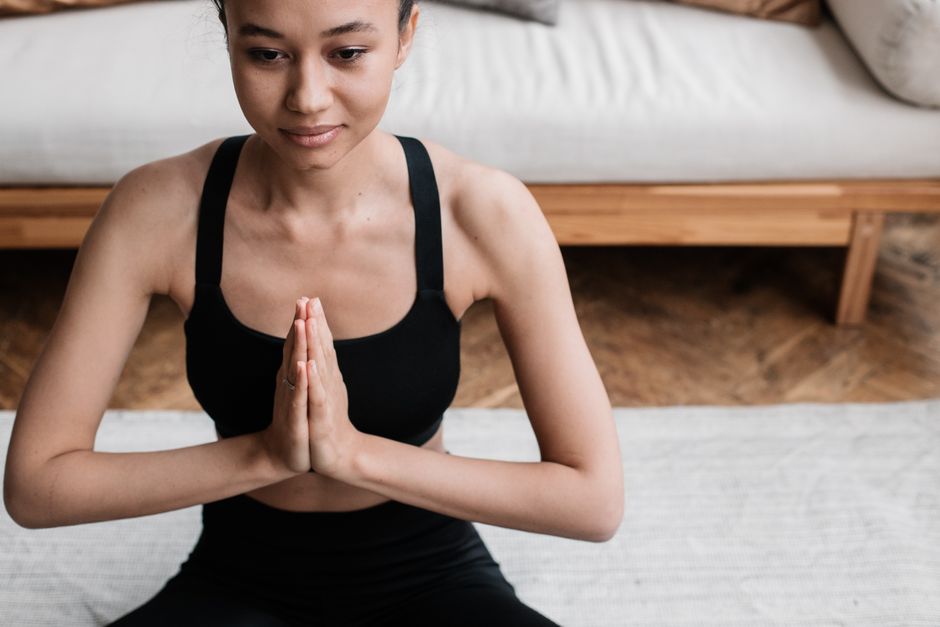
The simplest way to start practicing mindfulness is through mindful breathing. Find a quiet place where you can sit comfortably. Close your eyes, take deep breaths, and focus on the sensation of the air flowing in and out of your body. If your mind starts to wander, gently bring your focus back to your breath.
- Tip: Start with just five minutes a day and gradually increase the duration as you become more comfortable with the practice.
Body Scan Meditation
This technique involves paying attention to the different parts of your body. Lie down comfortably, close your eyes, and slowly move your attention from your toes to your head, observing any sensations, tensions, or areas of relaxation.
"Mindfulness is a way of befriending ourselves and our experience." – Jon Kabat-Zinn
Mindful Walking
Walking is something we do every day, but when done mindfully, it can be a powerful practice. Focus on the sensation of your feet touching the ground and the rhythm of your steps. Notice the sights, sounds, and smells around you.
- Tip: Try a short walk during your lunch break or in the evening to clear your mind.
Incorporating Mindfulness into African Traditions
Mindfulness isn't a foreign concept to African cultures; it resonates with many traditional practices. For instance, in Nigerian communities, storytelling, music, and dance are often used as ways to connect with the present moment and express emotions.
Storytelling and Mindfulness
Storytelling is a rich tradition in Nigeria that encourages listening and being present. As you engage with stories, focus not only on the narrative but also on the emotions and lessons they bring.
Music and Dance as Mindfulness
Music and dance are integral parts of Nigerian culture. Both can be powerful tools for mindfulness. When you play music or dance, fully immerse yourself in the experience. Let the rhythm guide you and let go of any worries.
Overcoming Challenges in Mindfulness Practice
Like any new skill, mindfulness takes practice and patience. You might find it challenging to maintain focus or make time for practice.
Dealing with Distractions
Distractions are natural, especially in a busy environment. When you notice your mind wandering, gently bring your focus back to the present moment without judgment.
- Tip: Find a quiet space free from electronic devices during practice to minimize interruptions.
Making Time for Mindfulness
Life can be hectic, but it's crucial to prioritize your mental health. Set aside specific times for mindfulness practice, even if it's just a few minutes a day. Consistency is key.
Conclusion
Mindfulness offers a pathway to a more peaceful and balanced life, reducing anxiety and stress that many Nigerians face daily. By incorporating simple practices like mindful breathing and walking into your routine, you can cultivate a more present and fulfilling life. Embrace mindfulness and watch as it transforms not only your outlook but also your overall well-being.