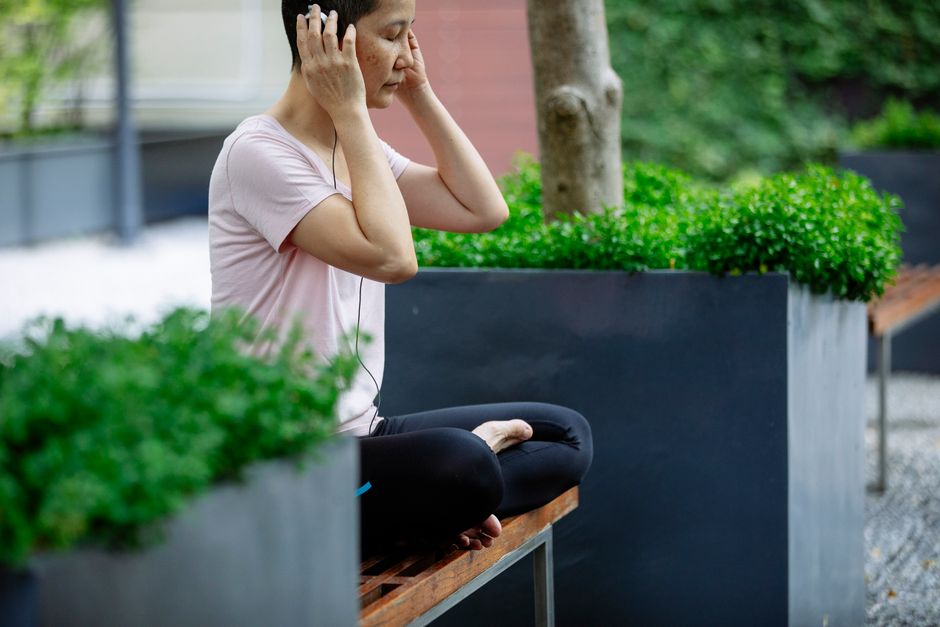
In the hustle and bustle of everyday life, stress has become a common companion for many. Whether dealing with work pressures, family responsibilities, or the unpredictable nature of living in a bustling Nigerian city, stress can often feel overwhelming. But what if there was a way to manage it effectively? Enter mindfulness—a powerful tool that has been proven to help people manage stress and improve their overall mental health.
Mindfulness is all about being present in the moment, aware of your thoughts, feelings, and surroundings without judgment. It's a practice that can be incorporated into your daily life, transforming how you react to stressors and enhancing your well-being.
Let's delve into some practical mindfulness practices that you can start implementing today to reduce stress and enjoy a more balanced life.
Understanding Mindfulness
What is Mindfulness?
Mindfulness is the practice of consciously focusing your attention on the present moment. It involves acknowledging your thoughts, emotions, and sensations without trying to change or judge them. This awareness can help you gain perspective and reduce the automatic reactions that often amplify stress.
"Mindfulness is about being fully awake in our lives. It is about perceiving the exquisite vividness of each moment." - Jon Kabat-Zinn
The Science Behind Mindfulness
Research has shown that mindfulness can significantly reduce stress by lowering levels of cortisol, the body's primary stress hormone. It enhances emotional regulation, increases self-awareness, and improves attention and concentration. These benefits make it an invaluable tool for managing everyday stressors.
Practical Mindfulness Techniques
Mindful Breathing
One of the simplest yet most effective mindfulness practices is mindful breathing. This technique involves focusing solely on your breath, noticing each inhale and exhale.
- Sit comfortably with your back straight.
- Close your eyes and take a deep breath in through your nose, filling your lungs.
- Exhale slowly through your mouth.
- Continue to breathe deeply and slowly, focusing on the sensation of your breath.
This practice can be done anywhere—in your office, at home, or even in a crowded Lagos market. It helps calm the mind and reduce stress almost instantly.
Body Scan Meditation
The body scan is another mindfulness technique that involves paying attention to different parts of your body, from your toes to the top of your head.
- Lie down or sit comfortably and close your eyes.
- Bring your awareness to your feet, noticing any sensations.
- Gradually move your attention up through your body, pausing at each part, and simply observe without judgment.
This practice can help you become more in tune with your body's sensations and reduce physical tension associated with stress.
Incorporating Mindfulness into Daily Life
Mindful Eating
Mindful eating is about savoring your food, paying attention to the flavors, textures, and aromas. This practice not only enhances your eating experience but also promotes healthier eating habits.
- Start by eliminating distractions—turn off the TV and put away your phone.
- Take small bites and chew slowly, noticing the taste and texture of each mouthful.
- Pay attention to your body's hunger and fullness signals.
Mindful eating can help you develop a healthier relationship with food and reduce stress related to eating habits.
Mindful Walking
Walking is a daily activity that can be transformed into a mindfulness practice. Whether you're walking to work or taking a leisurely stroll in your neighborhood, mindful walking can be a great way to reduce stress and ground yourself in the present moment.
- Focus on the sensation of your feet touching the ground with each step.
- Notice the sights, sounds, and smells around you.
- Pay attention to your breathing and the rhythm of your steps.
This practice can help you feel more connected to your surroundings and reduce feelings of stress and anxiety.
Overcoming Challenges in Practicing Mindfulness
Dealing with Distractions
One of the biggest challenges in practicing mindfulness is dealing with distractions. In a busy environment, it can be difficult to focus solely on the present moment.
To overcome this, start by practicing mindfulness in a quiet space. Gradually, as you become more comfortable, try incorporating mindfulness into busier settings. Remember, it's natural for the mind to wander. When it does, gently bring your focus back to the present moment.
Staying Consistent
Another challenge is maintaining consistency in your mindfulness practice. Like any new habit, mindfulness requires regular practice to be effective.
- Set aside a specific time each day for mindfulness practice.
- Start with short sessions and gradually increase the duration as you become more comfortable.
- Use reminders or mindfulness apps to help you stay on track.
Consistency is key to reaping the full benefits of mindfulness.
Conclusion
Mindfulness offers a path to managing stress in a world that often feels chaotic and overwhelming. By practicing mindfulness, you can gain greater control over your reactions to stressors, improve your mental clarity, and enjoy a more peaceful and balanced life. Whether it's through mindful breathing, walking, or eating, these practices can be seamlessly integrated into your daily routine. Start today and experience the transformative power of mindfulness in reducing stress and enhancing your well-being.