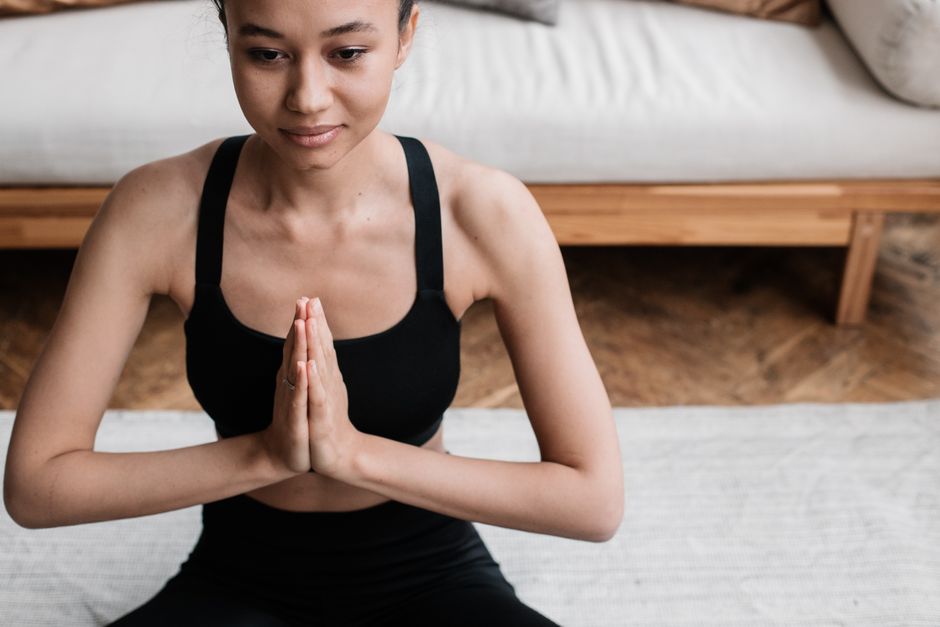
In the bustling streets of Lagos or the serene landscapes of Jos, stress and anxiety often find their way into our lives. Navigating the pressures of work, family, and societal expectations can sometimes feel overwhelming. This is where mindfulness comes in—a practical, accessible tool to bring calm and clarity amidst chaos.
Mindfulness isn't just about sitting in silence; it's about cultivating a moment-to-moment awareness of our thoughts, feelings, and surroundings without judgment. By integrating mindfulness into your daily routine, you can find a refuge from stress and anxiety, leading to a more balanced and fulfilling life.
Let’s explore how you can incorporate mindfulness into your everyday routine, and see how it can make a tangible difference in managing stress and anxiety.
Understanding Mindfulness and Its Benefits
What is Mindfulness?
Mindfulness is the practice of being fully present and engaged with the current moment without distraction or judgment. It's about observing your thoughts and feelings from a distance, without labeling them as good or bad.
This practice is rooted in ancient meditation traditions but has been adopted widely due to its profound benefits on mental health. By focusing on the present, mindfulness helps reduce stress, improve focus, and increase emotional resilience.
Benefits of Mindfulness for Stress and Anxiety
Mindfulness offers numerous benefits that can help alleviate stress and anxiety:
- Reduced Stress Levels: Regular mindfulness practice can lower cortisol levels, the stress hormone, leading to a more relaxed state of mind.
- Improved Emotional Regulation: Mindfulness helps you respond rather than react to stressors, allowing for more control over emotions.
- Enhanced Focus and Concentration: By training your mind to focus on the present, mindfulness can improve cognitive functions and productivity.
- Better Mental Health: Consistent mindfulness practice has been linked to lower rates of depression and anxiety.
“Mindfulness is a pause—the space between stimulus and response: that's where choice lies.”
Practical Mindfulness Techniques
Mindful Breathing
This is one of the simplest yet most effective mindfulness techniques. It involves focusing your attention on your breath.
- Sit or lie down comfortably, close your eyes, and take a deep breath in through your nose.
- Feel the air fill your lungs, and then slowly breathe out through your mouth.
- Repeat and focus solely on your breathing pattern as thoughts come and go without judgment.
Body Scan Meditation
Body scan meditation is about bringing awareness to different parts of your body, helping release tension and stress.
- Lie down comfortably and close your eyes.
- Slowly focus on each part of your body, starting from your toes and moving up to your head.
- Notice any sensations, tensions, or aches, and breathe into those areas to relax them.
Mindful Walking
This practice involves walking slowly and deliberately, focusing on the movement of your legs and the ground beneath your feet.
- Choose a quiet place to walk, free from distractions.
- Walk slowly and pay attention to how each step feels, the movement, and the sensation of the ground.
- Stay present and notice your surroundings without judgment.
Incorporating Mindfulness into Daily Life
Mindful Eating
Turn your meals into a mindful practice. Start by taking a moment to appreciate the food before you. Notice the colors, textures, and aromas.
- Take small bites and chew slowly, savoring each flavor.
- Pay attention to how your body responds to the food.
- This practice can help improve digestion and foster a healthy relationship with food.
Mindfulness at Work
Stress at work is common, but mindfulness can help mitigate its effects.
- Begin your workday with a few minutes of mindful breathing.
- Take short, mindful breaks to stretch and breathe.
- Use a mindfulness app to guide you through brief exercises during lunch breaks.
Mindfulness and Technology
Mindfulness Apps
Incorporating technology can enhance your mindfulness practice. There are many apps designed to guide you through mindfulness exercises.
- Headspace: Offers guided meditations and mindfulness exercises for various needs.
- Calm: Provides calming sounds and meditation practices to reduce stress.
- Insight Timer: Features thousands of free meditations and talks led by mindfulness experts.
Digital Detox
Sometimes, taking a break from screens can be the best mindfulness practice.
- Set specific times for digital detox, such as no screens an hour before bed.
- Engage in offline activities like journaling, reading, or spending time in nature.
Conclusion
Embracing mindfulness can be transformative. It offers a refuge from the stressors of modern life and a path towards inner peace. By incorporating mindfulness practices into your daily routine, you can cultivate a more present, balanced, and joyful life. Remember, mindfulness is a journey, not a destination. Begin today and experience the profound impact it can have on your stress and anxiety levels.