In today's fast-paced world, stress seems to be an unavoidable part of our daily lives. For many Nigerians, balancing work, family, and personal responsibilities can feel overwhelming. However, there is a powerful tool that can help manage stress and improve overall mental well-being: mindfulness. Mindfulness is the practice of being fully present in the moment, without judgment. It's a simple yet effective way to reduce stress and enhance your quality of life.
While mindfulness practices have been traditionally associated with Eastern cultures, they are universally applicable and can be especially beneficial in the Nigerian context. Whether you're navigating the hustle and bustle of Lagos or savoring the tranquility of a rural village, mindfulness can be a valuable addition to your mental health toolkit.
In this article, we'll explore practical mindfulness practices tailored specifically for Nigerians. From mindful breathing to gratitude journaling, these techniques can help you find peace amid the chaos.
Understanding Mindfulness and Its Benefits
What is Mindfulness?
Mindfulness is the art of paying attention to the present moment with a sense of openness and curiosity. It involves observing your thoughts and feelings without getting caught up in them. This practice helps create a sense of space between your emotions and reactions, allowing you to respond more thoughtfully rather than react impulsively.
Benefits of Mindfulness
Practicing mindfulness regularly can lead to a range of benefits, including:
- Reduced Stress: By focusing on the present moment, mindfulness can help diminish the impact of stress on your body and mind.
- Improved Emotional Regulation: Mindfulness helps you become more aware of your emotions, enabling you to manage them better.
- Enhanced Focus and Concentration: Regular practice can boost your attention span and improve your ability to concentrate on tasks.
- Increased Self-awareness: Mindfulness encourages introspection, helping you understand yourself better.
Incorporating Mindfulness into Daily Life
Mindful Breathing
Mindful breathing is one of the simplest and most effective mindfulness practices. It involves focusing your attention on your breath, noticing the inhalation and exhalation without trying to change it.
"Mindful breathing can be done anywhere, whether you're stuck in Lagos traffic or taking a break at your desk."
To practice mindful breathing, simply close your eyes, take a deep breath in, and exhale slowly. Focus on the sensation of your breath moving in and out of your body. Start with just a minute or two, gradually increasing as you become more comfortable.
Gratitude Journaling
Gratitude journaling involves writing down things you're thankful for each day. This practice can shift your focus from what's going wrong to what's going right, enhancing your overall outlook on life.
Each evening, write down three things that you're grateful for. They can be big or small, such as enjoying a delicious meal or having a meaningful conversation with a loved one.
Mindful Movement and Exercise
Yoga
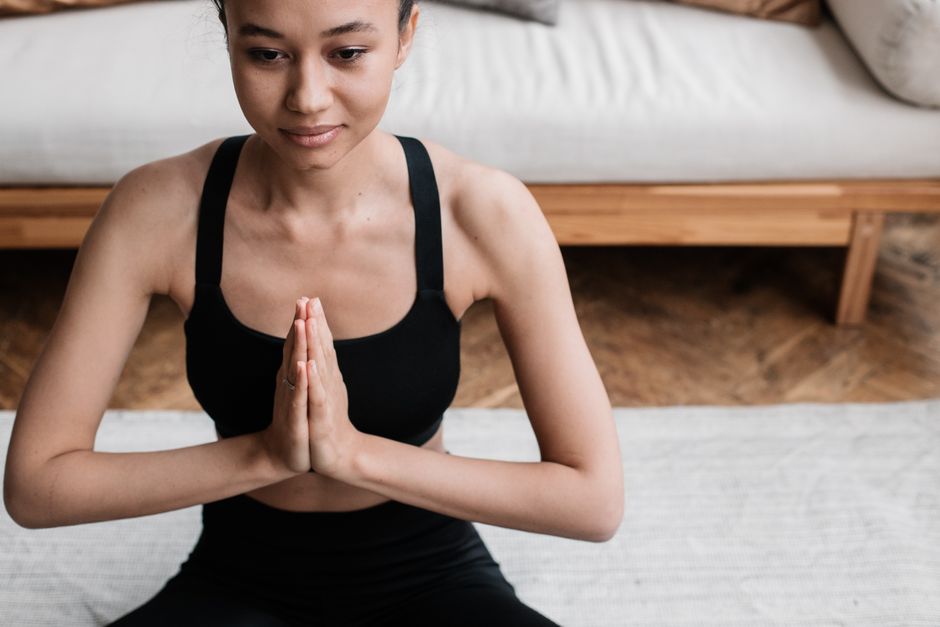
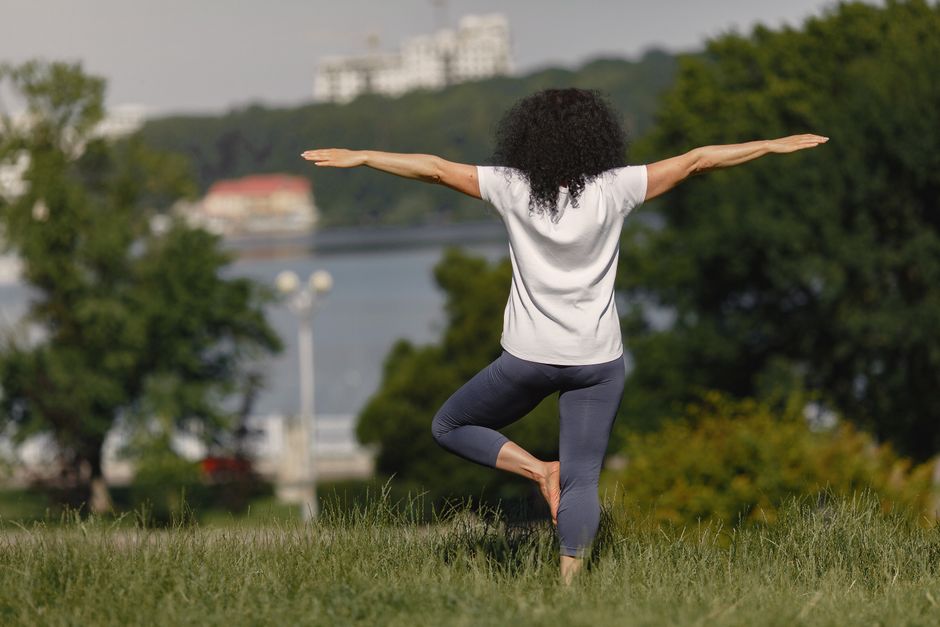
Yoga is a powerful way to combine physical exercise with mindfulness. It involves performing a series of poses while focusing on your breath and body sensations.
You don't need to join a class to start practicing yoga. There are plenty of online resources and videos that can guide you through beginner-friendly routines. Yoga can be practiced at home, in a local community center, or even outdoors in a quiet park.
Walking Meditation
For those who find sitting still challenging, walking meditation offers an alternative form of mindfulness practice. It involves walking slowly and deliberately, paying attention to the sensation of each step and the environment around you.
"Incorporating walking meditation into your daily routine can be as simple as taking a short stroll in your neighborhood or a nearby green space."
Mindfulness in Relationships
Mindful Listening
Effective communication is crucial for healthy relationships, and mindful listening can significantly improve your interactions with others. This practice involves fully focusing on the speaker without interrupting or planning your response.
Next time you're in a conversation, try to listen attentively, acknowledging the other person's feelings and perspectives. This not only strengthens your connection but also fosters a greater sense of empathy and understanding.
Practicing Kindness and Compassion
Mindfulness encourages kindness and compassion towards yourself and others. By practicing self-compassion, you can reduce negative self-talk and foster a more positive self-image.
Extend this practice to others by performing small acts of kindness, such as offering a helping hand or giving a genuine compliment. These gestures can create a ripple effect, spreading positivity and improving the well-being of those around you.
Overcoming Challenges in Mindfulness Practice
Dealing with Distractions
One of the most common challenges in mindfulness practice is dealing with distractions. In a bustling city like Lagos, it can be difficult to find a quiet space to practice mindfulness.
To overcome this challenge, start by identifying a time and place where you can practice without interruptions. This might be early in the morning before the day begins or during a lunch break at work. Remember, mindfulness can be practiced anywhere, even in short moments throughout the day.
Staying Consistent
Consistency is key to reaping the benefits of mindfulness. Set realistic goals for your practice and gradually increase the duration as you become more comfortable.
"Remember, mindfulness is a journey, not a destination. Be patient with yourself and celebrate small milestones along the way."
Conclusion
Mindfulness offers a wealth of benefits for reducing stress and improving mental well-being. By incorporating these practices into your daily life, you can cultivate a greater sense of peace and resilience amid the demands of modern life in Nigeria.
Whether you choose to start with mindful breathing, gratitude journaling, or mindful movement, the key is to begin where you are and remain consistent. Over time, these practices can transform your relationship with stress, leading to a healthier, more balanced lifestyle.