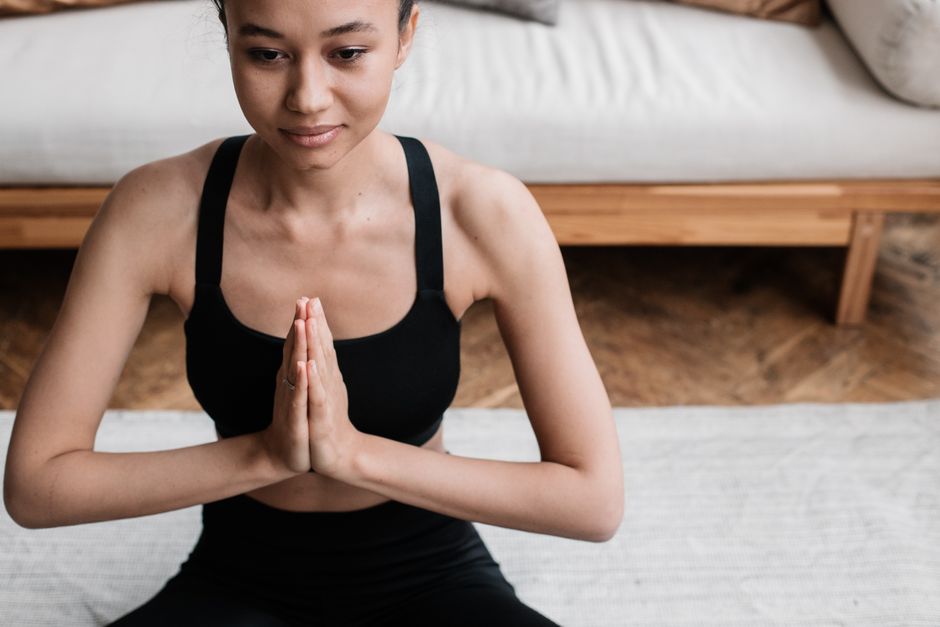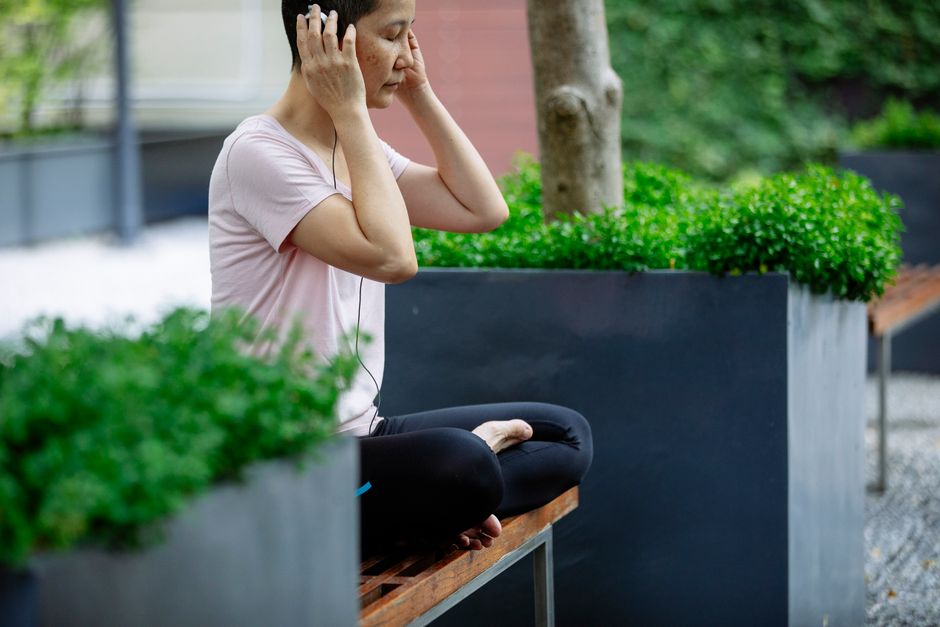
In today's fast-paced world, stress and anxiety have become common adversaries that many of us face daily. Whether it's the pressure of work, family responsibilities, or the hustle and bustle of city life in Nigeria, these issues can weigh heavily on our mental health. One effective approach to combat these challenges is practicing mindfulness. Incorporating mindfulness into your life can dramatically improve your mental well-being by helping you stay grounded and focused in the present moment.
Mindfulness is not just a trend; it's a scientifically-backed method to enhance your quality of life. By learning how to harness this powerful tool, you can navigate through life's challenges with greater ease and resilience. Let's explore some practical mindfulness techniques that can help you reduce stress and anxiety.
Understanding Mindfulness
Before diving into techniques, it's important to understand what mindfulness really is. Mindfulness is the practice of being present and fully engaged with the current moment, without judgment or distraction. This means observing your thoughts and feelings without getting caught up in them.
The Science Behind Mindfulness
Research has shown that mindfulness can lead to changes in the structure and function of the brain, improving areas responsible for emotional regulation and stress management. Regular practice can enhance brain plasticity, making it easier to manage stress and anxiety.
For instance, a study published in the journal Psychiatry Research: Neuroimaging found that mindfulness meditation can reduce the density of gray matter in the amygdala, a region connected with stress. This suggests that mindfulness can physically alter the brain to better handle stress and anxiety.
Mindfulness Practices to Reduce Stress
Breathing Exercises
One of the simplest mindfulness techniques is focused breathing. This involves taking deep, slow breaths, which can help calm the nervous system.
- 4-7-8 Breathing: Inhale for 4 seconds, hold for 7 seconds, and exhale for 8 seconds. This technique helps to reset the nervous system and reduce stress.
- Nostril Breathing: Breathe in through one nostril while closing the other, then switch. This balances the hemispheres of the brain, promoting relaxation.
Body Scan Meditation
Body scan meditation involves lying down and mentally scanning your body for tension or discomfort. Start from your toes and work your way up, noting any sensations without judgment.
This practice helps you become more aware of your physical state, leading to greater relaxation and stress reduction.
Mindfulness in Daily Activities
Mindful Eating
Mindful eating is about savoring your food without distractions. This means turning off the TV, putting away your phone, and focusing solely on the act of eating.
"When you eat mindfully, not only do you enjoy your meals more, but you also promote better digestion and a healthier relationship with food."
Mindful Walking
Mindful walking involves being fully present as you walk, paying attention to the sensation of your feet touching the ground, the rhythm of your breath, and the sights and sounds around you.
By integrating mindfulness into walking, you can transform a mundane activity into a meditative practice that reduces stress.
Incorporating Mindfulness into Your Nigerian Lifestyle
Nigerians face unique challenges that can contribute to stress and anxiety, from traffic congestion to economic pressures. Mindfulness can be adapted to fit this context, offering relief and clarity.
Mindfulness in Community Gatherings
During gatherings, whether social or familial, practice being fully present. Engage in active listening and appreciate the company of those around you.
This not only enhances your experience but also strengthens social bonds and reduces stress.
Meditation and Prayer
For many Nigerians, spirituality plays a significant role in daily life. Combining mindfulness with prayer or meditation can deepen your spiritual practice and provide a sense of peace and purpose.
Try integrating mindful reflection into your spiritual routines, focusing on gratitude and positive intentions.
Common Challenges and How to Overcome Them
Starting a mindfulness practice can be challenging. Common obstacles include lack of time, difficulty focusing, and impatience. Here are some tips to overcome these challenges:
- Start Small: Begin with just five minutes a day and gradually increase as you become more comfortable.
- Set Reminders: Use alarms or apps to remind you to take mindful breaks throughout the day.
- Be Patient: Progress takes time. Be patient with yourself and acknowledge your efforts.
Conclusion
Mindfulness offers a wealth of benefits for reducing stress and anxiety. By incorporating these techniques into your daily routine, you can improve not only your mental health but also your overall quality of life. Whether through mindfulness meditation, mindful eating, or integrating mindfulness into daily activities, these practices can empower you to face life's challenges with a calm and focused mind.
Remember, the journey to mindfulness is personal and unique to each individual. Embrace the process, and over time, you'll find yourself more resilient and at peace, ready to handle whatever life throws your way.