In today's fast-paced world, stress and anxiety have become constant companions for many of us. Whether you're juggling responsibilities at work, managing family commitments, or trying to carve out some time for yourself, the demands of daily life can often feel overwhelming. For Nigerian readers, these challenges may be compounded by unique cultural and societal pressures, adding another layer of complexity to managing mental well-being. But what if there were simple, accessible techniques that could help ease these burdens and bring a sense of calm and clarity to your life? Enter mindfulness—a powerful practice that can transform the way you experience stress and anxiety.
Mindfulness, at its core, is about being present in the moment, fully engaged with whatever you're doing. It's a practice that encourages you to observe your thoughts and feelings without judgment, allowing you to gain greater insight into your mental processes and emotional responses. For many, mindfulness provides a much-needed anchor amidst the chaos, offering a way to navigate life's challenges with greater ease and resilience.
So, how can you start incorporating mindfulness into your daily routine? In this article, we'll explore practical techniques and tips designed specifically for Nigerian readers. From mindful breathing exercises to grounding practices, you'll discover how to harness the power of mindfulness to reduce stress and anxiety effectively.
Understanding Mindfulness and Its Benefits
What is Mindfulness?
Mindfulness is the practice of paying attention to the present moment without judgment. It involves observing your thoughts, emotions, and sensations with an open and accepting attitude.
The Benefits of Mindfulness
Practicing mindfulness can lead to numerous benefits, including:
- Reduced stress and anxiety levels
- Improved emotional regulation
- Enhanced focus and concentration
- Better overall mental well-being
"Mindfulness is a way of befriending ourselves and our experience." – Jon Kabat-Zinn
Mindfulness Techniques to Try
Mindful Breathing
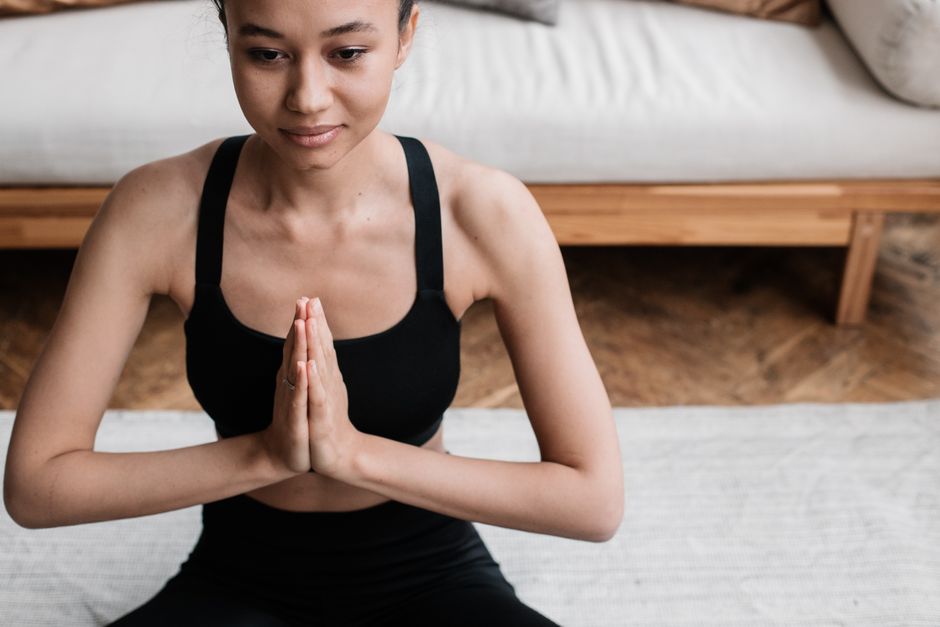
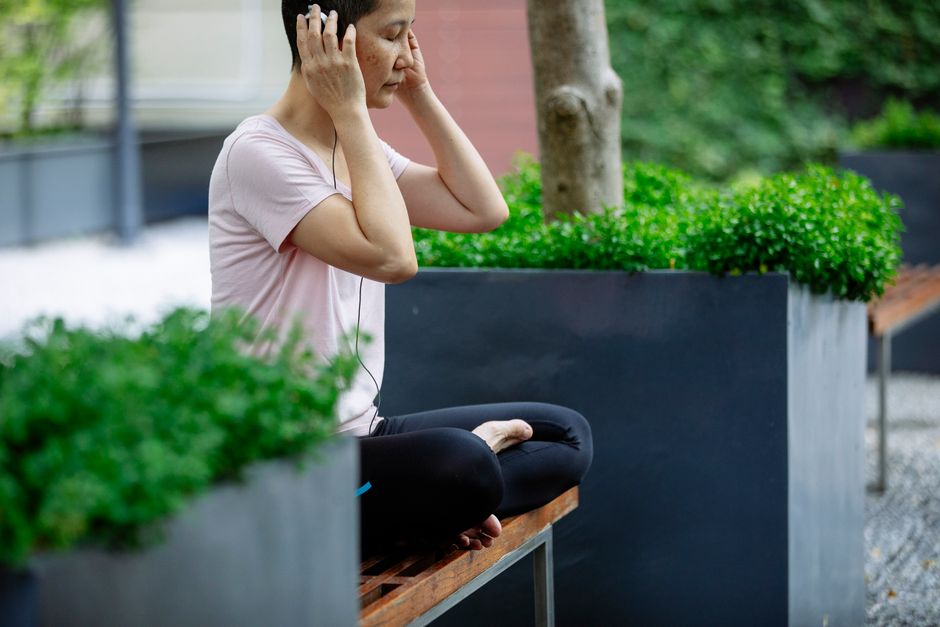
One of the simplest and most effective mindfulness techniques is mindful breathing. It can be practiced anywhere, anytime.
- Find a comfortable position, either sitting or lying down.
- Close your eyes and take a deep breath in through your nose, feeling your abdomen rise.
- Exhale slowly through your mouth, noticing the sensation of the breath leaving your body.
- Continue this pattern, focusing entirely on each breath.
Body Scan Meditation
The body scan meditation is an excellent way to connect with your physical sensations and release tension.
- Lie down comfortably and close your eyes.
- Start by focusing on your toes, noticing any sensations, tension, or relaxation.
- Gradually move your attention up through your body, part by part, until you reach your head.
- Acknowledge each sensation without judgment before moving on.
Grounding Exercises
Grounding exercises can help anchor you in the present moment, reducing stress and anxiety.
- Take a moment to observe your surroundings. Identify five things you can see, four you can touch, three you can hear, two you can smell, and one you can taste.
- Engage your senses fully to bring yourself back into the present.
Incorporating Mindfulness into Daily Life
Mindful Eating
Transform your meals into a mindfulness practice by engaging all your senses. Notice the colors, textures, and flavors of your food, and eat slowly without distractions.
Mindful Walking
Whether you're taking a stroll in your neighborhood or walking to work, practice mindful walking by paying attention to each step and the rhythm of your breath.
Mindful Listening
In conversations, practice active listening by giving the speaker your full attention. Notice their words, tone, and body language without forming judgments or responses prematurely.
Overcoming Challenges in Mindfulness Practice
Dealing with Distractions
It's normal for your mind to wander during mindfulness practice. When you notice distractions, gently bring your focus back to the present moment.
Staying Consistent
Building a mindfulness habit takes time. Start with short, consistent practices and gradually increase the duration as you become more comfortable.
"The present moment is the only time over which we have dominion." – Thích Nhất Hạnh
Final Thoughts
Mindfulness is a powerful tool for managing stress and anxiety, offering a pathway to greater peace and clarity. By incorporating these simple techniques into your daily routine, you can cultivate a more mindful approach to life, enhancing your mental well-being and resilience. Remember, the journey of mindfulness is personal and unique to each individual, so be patient and compassionate with yourself as you explore these practices.