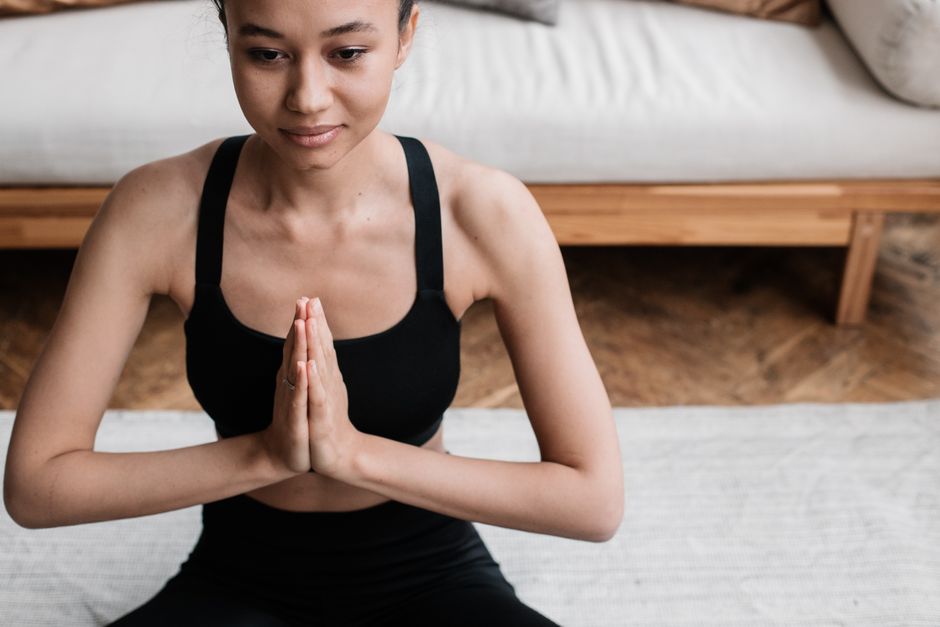
In the hustle and bustle of Nigerian life, anxiety can often feel like an unwelcome companion. Whether it's the pressure of work deadlines, the chaos of Lagos traffic, or worries about the future, managing anxiety is a challenge many face daily. Fortunately, mindfulness offers practical techniques to help us cultivate a sense of calm and presence, even in the midst of chaos.
Mindfulness isn't just a buzzword; it's a powerful tool that can transform your relationship with anxiety. By bringing focused awareness to the present moment, mindfulness helps us break free from the cycle of anxious thoughts and develop a more balanced perspective. In this article, we'll explore how you can incorporate mindfulness into your daily routine to better manage anxiety and improve your mental well-being.
Understanding Mindfulness
Before diving into techniques, let's first understand what mindfulness truly entails. At its core, mindfulness is the practice of being fully present and engaged in the moment without judgment.
Principles of Mindfulness
Mindfulness is built on a few key principles:
- Awareness: Paying attention to your thoughts, emotions, and bodily sensations.
- Acceptance: Embracing your current state without trying to change it immediately.
- Non-judgment: Observing your thoughts and feelings without labeling them as 'good' or 'bad'.
By integrating these principles into your life, you can create a foundation for managing anxiety more effectively.
Mindfulness Techniques to Combat Anxiety
Breathing Exercises
Breathing exercises are a cornerstone of mindfulness practice, offering a simple yet powerful way to reduce anxiety.
- Deep Breathing: Take a slow deep breath in through your nose, hold it for a few seconds, and then slowly exhale through your mouth. Repeat this cycle several times.
- Alternate Nostril Breathing: This involves closing one nostril and breathing through the other, then switching. It can help restore balance and calm.
Mindful Observation
This technique involves taking a few minutes to observe your surroundings or a specific object, such as a plant or piece of art, with full attention.
"Mindful observation helps ground you in the present moment, creating space between you and anxious thoughts."
Body Scan Meditation
Body scan meditation is a guided practice that helps you connect with your body, releasing tension and promoting relaxation.
To practice, lie down comfortably, close your eyes, and focus on each part of your body, from head to toe, noticing any sensations or tension.
Incorporating Mindfulness into Your Routine
Start Small
You don't need to dedicate hours to mindfulness. Start with just five minutes a day and gradually increase the time.
Use Technology Mindfully
There are numerous apps designed to guide you through mindfulness practices. Find one that resonates with you and use it consistently.
Create a Mindfulness Space
Designate a specific area in your home for mindfulness practices, free from distractions.
Overcoming Challenges in Practicing Mindfulness
Dealing with Distractions
It's natural for your mind to wander. When it does, gently bring your focus back to your breath or the present moment.
Staying Consistent
Consistency is key. Schedule mindfulness practice into your daily routine until it becomes a habit.
Remember, mindfulness is a journey, not a destination. Be patient with yourself as you integrate these practices into your life.
Conclusion
Embracing mindfulness can profoundly impact your ability to manage anxiety. By cultivating awareness, practicing acceptance, and staying present, you empower yourself to navigate the challenges of daily life with greater ease. Start small, stay consistent, and watch as these practices transform your mental landscape, bringing peace and clarity to your everyday experience.