In a bustling country like Nigeria, where the pace of life is quick and the demands are high, stress and anxiety often become unwelcome companions. Whether you're navigating the hectic streets of Lagos, managing family expectations, or dealing with the pressures of the workplace, it's easy to feel overwhelmed. Fortunately, mindfulness offers a beacon of hope in the chaos, helping you find calm in the storm.
Mindfulness is more than just a buzzword. It's a proven technique that encourages living in the moment, allowing you to manage anxiety and stress with poise. This article will explore practical mindfulness techniques to integrate into your daily routine, providing relief and clarity amidst life's challenges.
Understanding Mindfulness
Mindfulness is the practice of being fully present in the moment, paying attention to thoughts and feelings without judgment. This mental state is achieved by focusing on the present rather than dwelling on the past or worrying about the future.
The Origins of Mindfulness
Rooted in Buddhist traditions, mindfulness has gained popularity worldwide as a therapeutic tool for mental health. It's now widely integrated into various therapeutic practices and self-help programs.
Benefits of Mindfulness
- Reduces stress by promoting relaxation and calmness.
- Improves focus and clarity, aiding in better decision-making.
- Enhances emotional regulation and resilience.
- Promotes overall mental well-being and satisfaction.
Practical Mindfulness Techniques
1. Mindful Breathing
One of the simplest yet most effective techniques is mindful breathing. It's accessible anywhere and requires no special tools.
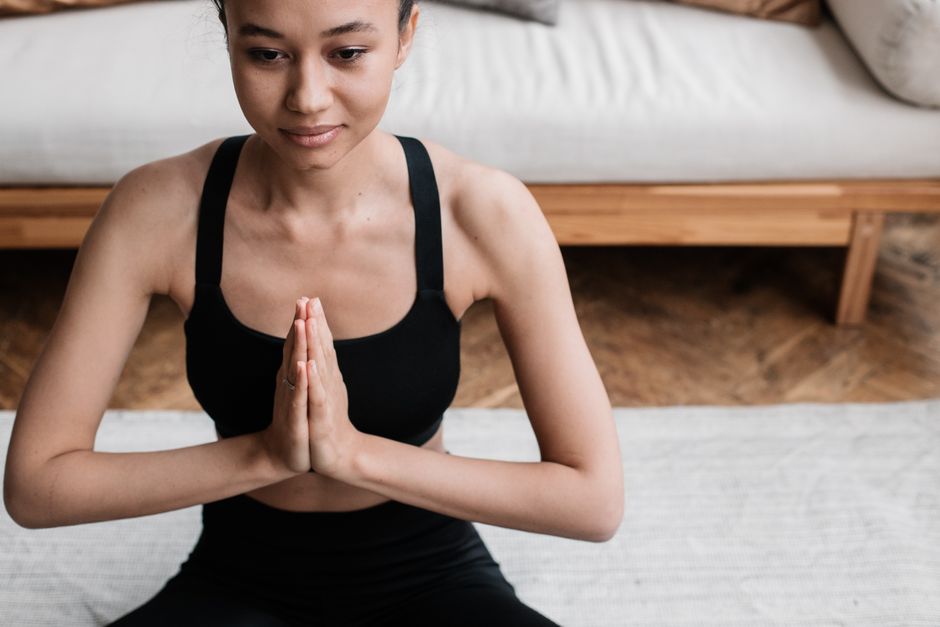
To practice mindful breathing, sit comfortably, close your eyes, and focus on your breath. Notice the rise and fall of your chest and the way your body feels with each inhale and exhale. If your mind wanders, gently bring your focus back to your breath.
2. Body Scan Meditation
This technique involves mentally scanning your body for areas of tension or discomfort. It's a great way to release physical stress and become more in tune with your body.
Start from the top of your head and work your way down to your toes, pausing at each part and acknowledging any sensations.
3. Mindful Walking
You don’t need to sit still to practice mindfulness. Mindful walking encourages awareness of your surroundings, promoting a connection with nature and your environment.
As you walk, pay attention to the rhythm of your steps, the feeling of your feet touching the ground, and the sights and sounds around you. This practice is especially refreshing in vibrant Nigerian neighborhoods.
Incorporating Mindfulness into Daily Life
Start Small
Begin with short, manageable sessions. As you get comfortable, gradually extend the duration.
Integrate into Routine Activities
Turn mundane tasks like washing dishes or brushing your teeth into mindful experiences by focusing on the sensations involved.
Create a Mindful Environment
Designate a quiet space in your home for mindfulness practice, free from distractions.
Common Challenges and Solutions
Dealing with a Busy Mind
"A wandering mind is normal; gently bring your focus back to the present without frustration."
Incorporating Mindfulness Consistently
Consistency can be challenging. Set reminders or join a community group to help maintain your practice.
Mindfulness Resources and Support
Books and Apps
- "The Miracle of Mindfulness" by Thich Nhat Hanh
- Headspace app for guided meditations
Local Workshops and Groups
Many Nigerian cities offer mindfulness workshops. Joining these can provide motivation and a sense of community.
Conclusion
Mindfulness is a powerful tool for managing stress and anxiety. By incorporating these techniques into your daily routine, you can cultivate a state of mental clarity and peace. Begin your mindfulness journey today, and discover the profound impact it can have on your life.